


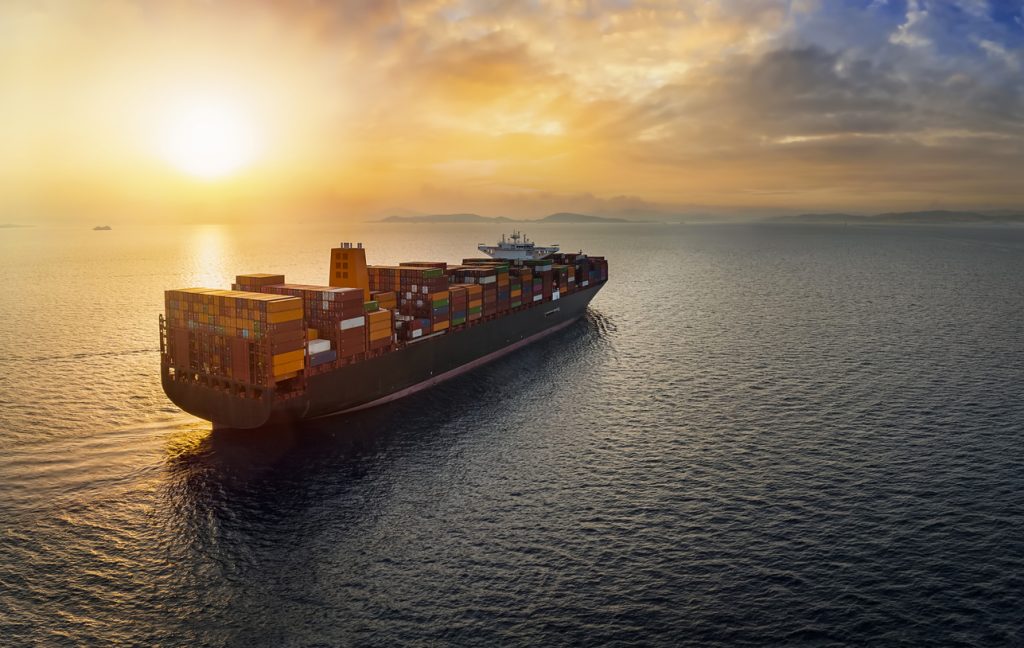
Haulage and cargo delivery in Nigeria is the backbone of trade and commerce. Every day, thousands of trucks move goods from Lagos ports to inland cities, from factories in Ogun to warehouses in Abuja, and from markets in Onitsha to distribution hubs across the country.
But in reality, haulage is not just about “moving goods.” It is about timing, vehicle availability, route planning, cargo safety, and coordination across some of the most demanding road networks in West Africa.
Travo.ng supports haulage and cargo delivery in Nigeria by helping businesses and individuals move goods reliably across cities, ports, and interstate routes with better coordination and fewer delays.
What Haulage and Cargo Delivery Really Means in Nigeria
Haulage refers to the transportation of bulk goods by road using trucks, trailers, or heavy-duty vehicles. Cargo delivery covers both small-scale and large-scale movement of goods from one location to another.
Together, they form the logistics system that powers:
- Import and export distribution
- Retail and wholesale supply chains
- Industrial and manufacturing operations
- Construction and infrastructure projects
Without haulage, goods stuck at ports or warehouses would never reach consumers or businesses.
The Real Movement of Goods Across Nigeria
Cargo in Nigeria typically follows a structured flow:
1. Port Clearance and Pickup
Most imported goods arrive at:
- Apapa Port (Lagos)
- Tin Can Island Port
- Onne Port (Rivers State)
From there, trucks are arranged for pickup after clearance.
2. Interstate Transport
Goods are moved from coastal cities to inland destinations such as:
- Lagos to Abuja
- Lagos to Kano
- Port Harcourt to Aba
- Lagos to Kaduna
3. Distribution to Warehouses and Markets
Once goods arrive, they are distributed to:
- Warehouses
- Retail shops
- Manufacturing plants
- Regional depots
Types of Haulage Services in Nigeria
1. General Cargo Haulage
Used for:
- Retail goods
- Packaged products
- Consumer items
2. Bulk Cargo Transport
Used for:
- Cement
- Grain
- Raw materials
- Industrial goods
3. Container Haulage
Used for:
- Imported goods from ports
- Export cargo movement
- Shipping containers
4. Heavy-Duty Haulage
Used for:
- Machinery
- Construction equipment
- Industrial installations
5. Express Cargo Delivery
Used for:
- Urgent business shipments
- Time-sensitive goods
- High-priority deliveries
Why Haulage Is Challenging in Nigeria
Cargo delivery in Nigeria faces unique operational realities.
1. Port Congestion
Apapa and Tin Can often experience heavy traffic delays affecting truck turnaround time.
2. Poor Road Infrastructure
Some interstate roads cause:
- Delays
- Vehicle breakdowns
- Higher transport costs
3. Fuel and Operational Costs
Fuel price changes directly affect haulage pricing and scheduling.
4. Loading and Offloading Delays
Warehouse inefficiencies often slow down delivery timelines.
5. Security and Checkpoints
Interstate routes include inspection points that can affect travel time.
Common Haulage Routes in Nigeria
Cargo movement is concentrated along major trade corridors:
- Lagos to Abuja (business and government supply chain)
- Lagos to Kano (northern distribution network)
- Lagos to Port Harcourt (oil and industrial cargo)
- Port Harcourt to Onitsha (commercial trade flow)
- Abuja to Kaduna (regional logistics)
- Lagos to Ibadan (fast-moving retail supply chain)
These routes handle the majority of Nigeria’s commercial cargo movement.
Cost of Haulage and Cargo Delivery in Nigeria
Pricing depends on logistics complexity and cargo type.
Key factors include:
- Distance between pickup and delivery
- Cargo weight and volume
- Truck type required
- Fuel prices
- Loading and handling requirements
- Urgency of delivery
Typical estimates:
- Small cargo delivery: ₦10,000 – ₦50,000
- Medium haulage (interstate): ₦80,000 – ₦300,000
- Heavy cargo or container transport: ₦300,000 – ₦1,000,000+
Large-scale contracts are usually negotiated based on frequency and volume.
Industries That Depend on Haulage Services
Import and Export Businesses
- Container movement from ports
- Inland distribution
Manufacturing Industry
- Raw material supply
- Finished goods distribution
Construction Sector
- Cement and steel delivery
- Equipment transport
Retail and FMCG Companies
- Nationwide product distribution
- Warehouse replenishment
Agriculture Sector
- Farm produce transport
- Bulk food distribution
Why Cargo Delivery Often Gets Delayed in Nigeria
Delays are usually caused by operational gaps, not just transport issues:
- Poor coordination between dispatch and drivers
- Traffic congestion in major cities
- Incorrect or incomplete delivery details
- Warehouse loading delays
- Truck availability issues
Improving coordination often reduces delays more than increasing fleet size.
Shared Haulage vs Dedicated Cargo Delivery
Shared Haulage
- Multiple clients in one truck
- Lower cost
- Slower due to multiple stops
Dedicated Cargo Delivery
- One client per truck
- Faster and more secure
- Best for urgent or high-value goods
Businesses choose based on cost vs speed priorities.
The Role of Haulage in Nigeria’s Economy
Haulage is essential to:
- Import distribution from ports
- Movement of raw materials for industries
- Retail supply chain stability
- Construction and infrastructure development
Without efficient cargo delivery, supply chains across Nigeria would break down quickly.
Reliable Haulage Requires Proper Coordination
Successful cargo delivery depends on:
- Proper scheduling
- Vehicle matching
- Route planning
- Cargo handling
- Real-time communication
Travo.ng provides haulage and cargo delivery services in Nigeria, supporting container movement, interstate transport, bulk logistics, and business cargo coordination designed for real-world Nigerian road conditions.
