


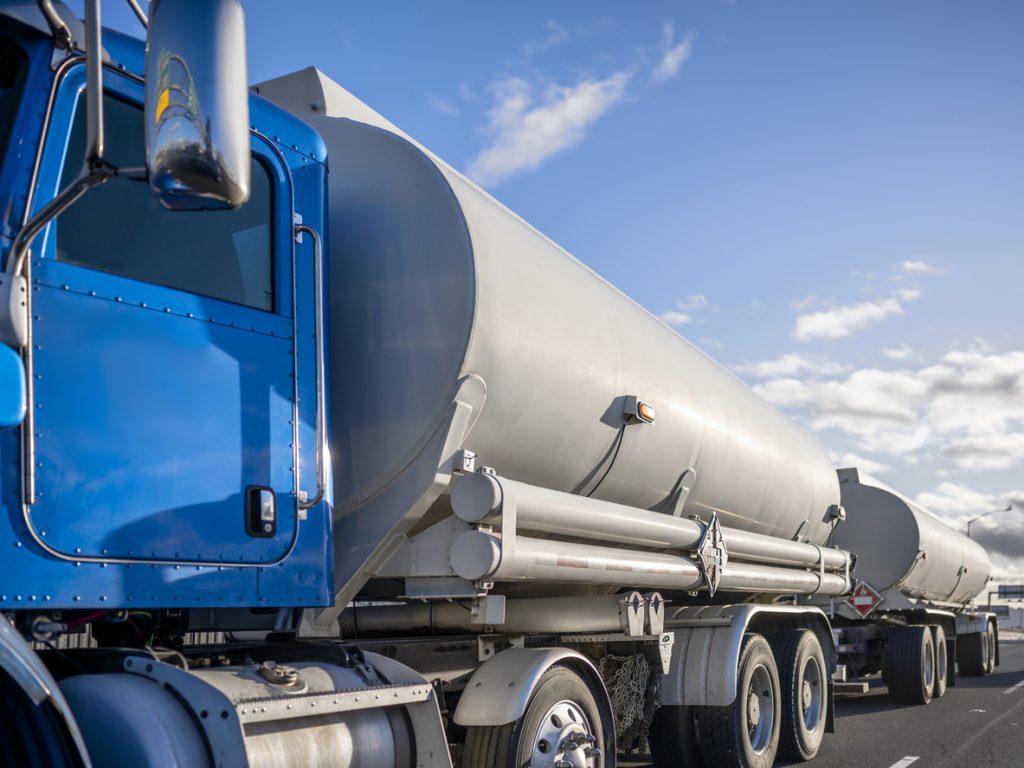
Moving petroleum products across Nigeria’s coastline remains one of the most important parts of the country’s energy supply chain. From Lagos ports to the Niger Delta and onward to coastal communities, coastal petroleum shipping in Nigeria helps ensure that fuel, diesel, aviation fuel, and other petroleum products reach businesses and consumers who depend on them daily.
While road transportation continues to play a major role in fuel distribution, coastal shipping offers an efficient alternative for moving large volumes of petroleum products between ports and coastal terminals. For businesses involved in energy, manufacturing, marine operations, and distribution, understanding how coastal petroleum transportation works can help improve planning, reduce costs, and avoid supply disruptions.
Why Coastal Shipping Remains Important for Petroleum Distribution
Nigeria’s road network handles a significant amount of fuel transportation, but long-distance trucking comes with challenges such as traffic congestion, road deterioration, security concerns, and seasonal disruptions.
Coastal shipping allows petroleum marketers and logistics operators to move large quantities of products through waterways instead of relying entirely on highways.
Some common routes include:
- Lagos to Port Harcourt
- Lagos to Warri
- Lagos to Calabar
- Warri to coastal depots across the Niger Delta
- Offshore supply routes serving marine and oil operations
By moving products through coastal channels, companies can often reduce pressure on road fleets while maintaining a more predictable supply schedule.
What It Costs to Move Petroleum Products Along Nigeria’s Coast
Shipping costs vary depending on several factors:
- Product type
- Cargo volume
- Vessel size
- Port charges
- Loading and discharge requirements
- Seasonal demand
For example, moving petroleum products between Lagos and Port Harcourt may involve expenses related to vessel chartering, terminal handling, insurance, and regulatory compliance.
Businesses should also budget for:
- Storage charges
- Documentation fees
- Marine safety inspections
- Security arrangements
- Demurrage costs caused by delays
Accurate logistics planning can help reduce unexpected expenses that often affect petroleum distribution projects.
Delays That Commonly Affect Coastal Petroleum Operations
One misconception is that coastal transportation automatically eliminates logistics challenges. In reality, operators still face several operational hurdles.
Some of the most common causes of delay include:
- Port congestion
- Weather-related disruptions
- Vessel scheduling conflicts
- Documentation issues
- Regulatory inspections
- Terminal capacity limitations
During peak demand periods, especially around festive seasons and major economic activities, fuel movement schedules can become tighter across key ports.
Experienced logistics coordinators often build contingency plans into transportation schedules to avoid stock shortages and delivery interruptions.
Why Coordination Matters More Than Transportation
Successful petroleum shipping is not only about moving cargo from one location to another. Coordination plays a major role in ensuring products arrive safely and on schedule.
This often involves managing:
- Port access arrangements
- Cargo documentation
- Delivery schedules
- Storage facilities
- Ground transportation connections
- Customer delivery timelines
Many companies underestimate the complexity involved in coordinating multiple stakeholders across ports, depots, vessel operators, and receiving facilities.
A delay at any point in the chain can affect downstream operations, especially for businesses that depend on continuous fuel availability.
How Businesses Reduce Risk During Petroleum Transportation
Companies involved in petroleum logistics typically focus on risk management as much as transportation itself.
Best practices include:
- Verifying vessel compliance and certifications.
- Maintaining accurate cargo documentation.
- Using reliable logistics partners.
- Planning alternative delivery routes.
- Monitoring shipment progress throughout transit.
- Scheduling deliveries with adequate buffer periods.
These measures help reduce operational disruptions while maintaining regulatory compliance.
Supporting Petroleum Logistics Beyond the Port
For many businesses, shipping is only one part of the logistics process. Once products arrive at their destination, additional coordination may be required for inland transportation, storage, distribution, and delivery management.
This is where integrated logistics support becomes valuable. Businesses often need assistance with cargo coordination, transport planning, vehicle arrangements, and supply chain scheduling to ensure products reach final destinations efficiently.
Travo.ng supports organizations with practical logistics coordination services, helping businesses manage transportation requirements, cargo movement planning, delivery operations, and business travel needs associated with large-scale projects. Companies can also benefit from transport coordination, vehicle hire, airport pickup services, and accommodation bookings for operational teams working across multiple locations.
Planning Ahead for More Reliable Petroleum Movement
As demand for energy products continues to grow, coastal petroleum shipping in Nigeria will remain an essential component of the country’s logistics infrastructure.
Businesses that plan ahead, understand operational realities, and work with experienced logistics coordinators are often better positioned to avoid delays and maintain consistent supply levels.
Whether supporting industrial operations, distribution networks, marine activities, or large commercial projects, efficient petroleum logistics requires more than transportation alone. It requires careful coordination, local knowledge, and dependable logistics support to keep operations moving smoothly.
