


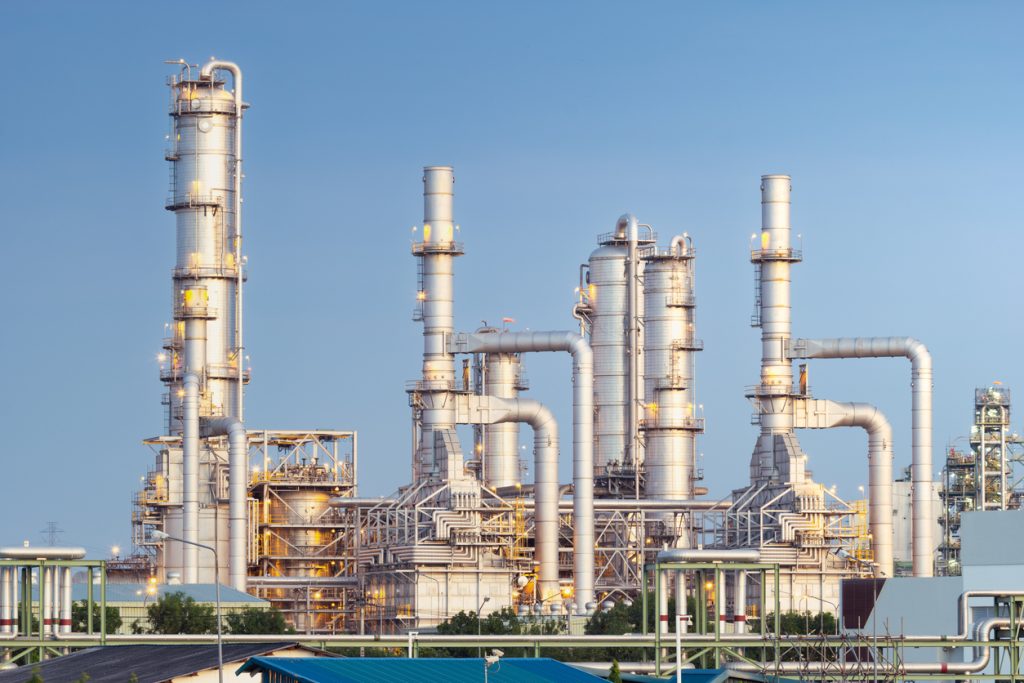
Tank farm truck scheduling in Nigeria is not something any serious fuel marketer, logistics operator, or fleet manager should treat casually. A missed loading slot can affect delivery timelines, increase truck waiting costs, and create unnecessary pressure on drivers, depot officers, and customers expecting petroleum products on time.
In busy petroleum corridors like Apapa, Ijora, Kirikiri, Warri, Port Harcourt, Calabar, and Lekki Free Zone, truck movement requires proper timing, documentation, driver coordination, and real-time communication. This is where practical scheduling support becomes important.
Why truck scheduling around tank farms can be stressful
Anyone who has handled petroleum truck movement in Nigeria understands that the issue is rarely just “send the truck.” You have to consider:
- Depot loading windows
- Product availability
- Driver arrival time
- Traffic around port access roads
- Safety checks
- Waybill and loading documents
- Queue management
- Delivery destination timing
For example, a truck planned for loading in Apapa may lose several hours because of port traffic, LASTMA restrictions, or congestion near the tank farm gate. If the receiving customer is in Ibadan, Abuja, Benin, or Enugu, that delay can affect the entire supply chain.
Good scheduling helps reduce this kind of disruption.
What proper tank farm truck scheduling should include
A workable schedule should do more than assign trucks to depots. It should connect the full journey from loading point to delivery destination.
A reliable plan usually includes:
- Confirming the loading depot and product type
- Assigning the right truck capacity
- Coordinating driver arrival time
- Checking required documents before dispatch
- Monitoring road conditions and traffic delays
- Updating the receiving customer on expected delivery time
For petroleum logistics, even small mistakes can become expensive. Sending a truck too early may lead to unnecessary waiting. Sending it late may cause the marketer to lose a loading opportunity.
Common mistakes businesses make with depot truck movement
Many Nigerian businesses still manage tank farm truck scheduling through scattered phone calls, WhatsApp messages, and handwritten lists. While this may work for one or two trucks, it becomes risky when handling multiple vehicles across different locations.
Common problems include:
- Drivers arriving without complete documentation
- Trucks being sent before loading confirmation
- Poor communication between depot staff and transport coordinators
- No clear update for customers waiting for delivery
- Higher demurrage or idle-time costs
- Difficulty tracking which truck is assigned to which order
These issues can reduce customer trust, especially when dealing with fuel stations, industrial buyers, construction companies, and distributors that depend on timely supply.
How Travo.ng supports smoother scheduling
Travo.ng helps businesses coordinate transport, logistics, and delivery movement with a more organized approach. For companies dealing with tank farm truck scheduling in Nigeria, the goal is simple: reduce confusion, improve timing, and make movement easier to manage.
Depending on the customer’s need, Travo.ng can support:
- Truck coordination for depot loading
- Interstate delivery planning
- Cargo and bulk movement support
- Driver and vehicle scheduling
- Business logistics coordination
- Transport support for urgent delivery routes
This is useful for businesses moving products from Lagos to Abuja, Warri to Onitsha, Port Harcourt to Aba, or Apapa to major fuel stations across the South West.
What businesses should confirm before scheduling a truck
Before assigning a truck to a tank farm, confirm the basics first. This saves time and prevents avoidable delays.
Check:
- Product availability at the depot
- Truck capacity and fitness
- Driver contact and location
- Loading authorization
- Delivery address and contact person
- Route condition
- Expected offloading time
For long-distance movement, it is also wise to factor in driver rest periods, police checkpoints, road repairs, and night travel restrictions where applicable.
A practical example
A fuel distributor planning delivery from a Lagos tank farm to a customer in Abuja should not only focus on loading. The schedule should include when the truck enters the depot queue, estimated loading duration, departure time from Lagos, likely stop points, and expected arrival in Abuja.
Without that structure, the customer may keep calling for updates while the business struggles to explain the delay. With proper scheduling, everyone knows what to expect.
Book tank farm truck scheduling support with Travo.ng
Tank farm logistics in Nigeria requires more than available trucks. It requires timing, coordination, local route knowledge, and dependable communication.
Travo.ng gives businesses a practical way to manage truck scheduling, transport coordination, cargo movement, and delivery planning across Nigeria. Whether you are handling one truck or repeated depot movements, organized scheduling can save time, reduce stress, and improve customer confidence.
For reliable tank farm truck scheduling in Nigeria, Travo.ng helps you plan better, move smarter, and keep your logistics operations under control.
