


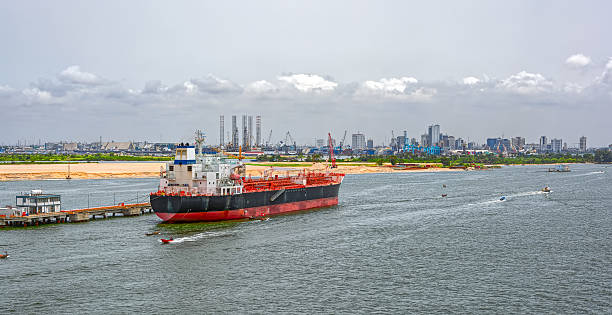
Ship chartering services in Nigeria involve renting or hiring a vessel for transporting cargo, oil products, industrial equipment, or bulk commodities across local and international waters.
Instead of owning a ship, businesses can charter vessels temporarily for specific shipping operations. This is common in:
- 🛢️ Oil & gas logistics
- 🌾 Agricultural exports
- ⚙️ Industrial cargo transport
- 🧱 Construction and project cargo shipping
- 🚢 Bulk import/export operations
Nigeria’s ship chartering market is heavily connected to the maritime and offshore oil industry.
⚓ What Ship Chartering Means
Ship chartering allows a company to hire a vessel for:
- A single trip
- A fixed period of time
- Specific cargo operations
The ship owner provides the vessel, while the charterer pays for its use under agreed conditions.
🚢 Types of Ship Chartering Services in Nigeria
🟢 1. Voyage Charter
The vessel is hired for a single voyage between ports.
Example:
- Lagos → Europe export shipment
- Offshore supply delivery to oil platforms
Best for:
- One-time cargo movements
- Bulk commodity shipping
🟡 2. Time Charter
The vessel is rented for a specific period:
- Weeks
- Months
- Years
The charterer controls vessel usage during the contract period.
Common in:
- Offshore oil logistics
- Long-term industrial shipping projects
🔵 3. Bareboat Charter
The charterer rents only the ship and manages:
- Crew
- Fuel
- Operations
- Maintenance
Usually used by:
- Large maritime operators
- Offshore logistics firms
🔴 4. Offshore Vessel Chartering
Specialized vessels used in:
- Oil & gas operations
- Offshore drilling support
- Marine engineering projects
Examples:
- Tugboats
- Platform supply vessels (PSVs)
- Anchor handling vessels
⚓ Major Nigerian Ports Supporting Ship Chartering
⚓ Lagos Ports (Apapa & Tin Can)
Apapa Port
Tin Can Island Port
- Main international shipping hubs
- Heavy charter cargo activity
⚓ Onne Port (Rivers State)
Onne Port
- Major offshore and oil & gas logistics base
- High demand for vessel chartering services
⚓ Warri & Port Harcourt Ports
- Support industrial and offshore operations
- Regional marine logistics activities
🏢 Industries Using Ship Chartering Services
- 🛢️ Oil & gas companies
- 🌾 Agricultural exporters
- 🏗️ Construction firms
- ⚙️ Manufacturing and industrial companies
- 🚢 Maritime logistics operators
- ⛏️ Mining and energy projects
🚚 Common Cargo Moved Through Chartering
- Crude oil and petroleum products
- Bulk agricultural exports
- Industrial equipment
- Steel and construction materials
- Offshore drilling supplies
- Heavy machinery and project cargo
💰 Cost of Ship Chartering in Nigeria (2026 Estimate)
Pricing depends on:
- Vessel size
- Cargo type
- Charter duration
- Fuel cost
- Route and season
Estimated Costs:
- 🚢 Small coastal vessel: $5,000 – $20,000/day
- 🛢️ Offshore support vessels: $15,000 – $100,000+/day
- ⚓ Bulk cargo vessels: $20,000 – $80,000+/voyage
Additional costs:
- Port handling fees
- Marine insurance
- Customs and clearance charges
- Fuel surcharges
⚠️ Challenges in Nigeria’s Ship Chartering Industry
- ⛽ High marine fuel costs
- ⚓ Port congestion and delays
- 📉 Exchange rate fluctuations
- 🛡️ Maritime security concerns in some waters
- 🚢 Limited local vessel capacity for large projects
📌 Benefits of Ship Chartering
- 🚢 No need to own expensive vessels
- 🌍 Flexible cargo transportation solutions
- 🛢️ Supports offshore and industrial logistics
- 📦 Efficient for large-scale cargo movement
- ⚙️ Customizable based on project needs
🔎 Travo.ng Logistics Insight (IMPORTANT)
For businesses needing marine logistics support:
👉 Travo.ng
On Travo.ng, users can:
- Connect with verified maritime logistics providers
- Request ship chartering and marine freight quotes
- Compare offshore and cargo vessel services
- Arrange port-to-port and offshore delivery logistics
This helps businesses find reliable partners for bulk cargo and marine transportation projects.
💡 Final Thoughts
Ship chartering services play a major role in Nigeria’s maritime economy, especially in the oil & gas and industrial sectors. As trade and offshore operations continue to grow, chartering remains one of the most flexible solutions for large-scale marine transportation.
