


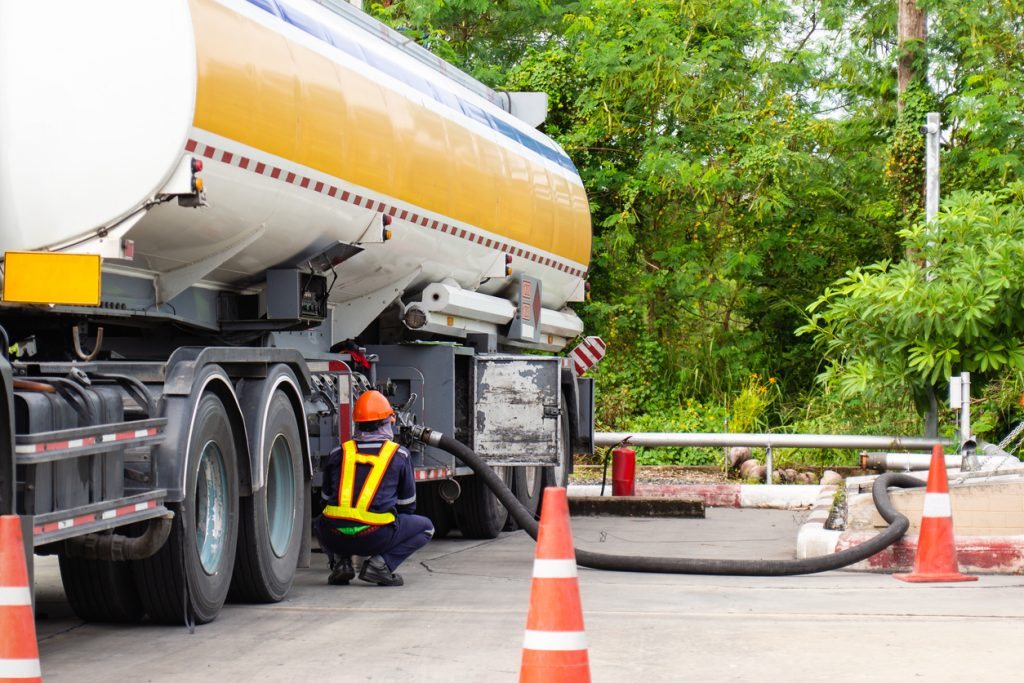
Fuel customs clearance in Nigeria is not something most importers should treat casually. Whether you are bringing in diesel, aviation fuel, lubricants, LPG-related products, or other petroleum-based cargo, the process requires proper documentation, regulatory awareness, and strong coordination from port arrival to final delivery.
For many businesses, the real challenge is not just paying duty or submitting papers. It is avoiding delay, storage charges, demurrage, failed inspections, and poor communication between clearing agents, transporters, terminal operators, and delivery teams.
That is where a practical logistics partner like Travo.ng becomes useful.
What Makes Fuel Clearance Different From Regular Cargo
Fuel and petroleum-related products are sensitive cargo. Unlike general goods such as clothes, electronics, or household items, fuel products usually attract stricter checks because of safety, environmental, and regulatory concerns.
Importers may need to deal with:
- Product classification and HS codes
- SONCAP or relevant quality documents where applicable
- NMDPRA-related requirements for petroleum products
- Customs valuation and duty assessment
- Terminal handling and safety procedures
- Tanker or specialized transport coordination
- Delivery scheduling to depots, plants, or business locations
A small error in documentation can keep cargo at the port longer than expected.
Common Documents Needed for Fuel Customs Clearance in Nigeria
The exact documents depend on the fuel type, shipment structure, and regulatory category. However, importers are commonly expected to prepare:
- Bill of lading
- Commercial invoice
- Packing list
- Form M
- PAAR
- Certificate of origin
- Product analysis certificate
- Import permit or regulatory approval where required
- Insurance certificate
- Tax identification and company documents
For petroleum-related cargo, authorities may also request additional evidence showing the nature, quality, and intended use of the product.
Before shipping fuel into Nigeria, it is better to confirm documentation early instead of waiting until the cargo arrives at Apapa, Tin Can, Onne, or Port Harcourt port.
Where Delays Usually Happen
Many fuel import delays happen before the cargo even leaves the port. In real operations, common issues include wrong cargo description, incomplete approval documents, valuation disputes, late PAAR processing, or poor coordination with the transporter.
Another problem is delivery planning. Fuel cargo may require tankers, safety-compliant handling, and a clear route plan. Moving from Lagos ports to locations in Ogun, Ibadan, Abuja, Kano, or the South-East is not the same as moving ordinary boxed cargo.
Traffic around Apapa and Tin Can can also affect pickup timing. A truck that misses its loading window may cause another day of delay, especially during busy port periods.
How Travo.ng Supports Fuel Importers
Travo.ng helps businesses manage the movement side of fuel customs clearance in Nigeria by coordinating the practical logistics around cargo release and delivery.
Depending on the shipment, Travo.ng can assist with:
- Cargo logistics planning
- Port-to-warehouse transport coordination
- Interstate delivery support
- Vehicle and truck arrangement
- Business logistics support
- Documentation follow-up with relevant partners
- Delivery scheduling after clearance
- Relocation or bulk movement support for related equipment
This is especially useful for companies that do not have an in-house logistics team watching every stage of the process.
What It May Cost to Clear and Move Fuel Cargo
Costs vary depending on product type, volume, port of arrival, duty assessment, terminal charges, agency fees, truck type, and final delivery location.
For example, moving cargo from a Lagos port to a nearby industrial area in Ogun State may cost far less than moving it to Abuja, Kaduna, or Kano. Transport prices can also rise during fuel scarcity periods, festive seasons, or when port congestion is high.
A serious importer should budget for more than customs duty alone. Other possible costs include:
- Terminal handling
- Storage or demurrage
- Clearing service fees
- Transport charges
- Escort or special handling where required
- Offloading costs at destination
Getting a realistic estimate before shipment helps avoid cash-flow surprises.
Mistakes to Avoid When Importing Fuel Products
One common mistake is assuming all petroleum-related products follow the same process. Diesel, lubricants, additives, LPG accessories, and industrial chemicals may have different requirements.
Another mistake is choosing the cheapest clearing or transport option without checking experience. Fuel cargo needs careful handling. A poorly coordinated truck movement can cost more than the money saved.
Also, do not wait until the vessel arrives before asking questions. The best time to prepare for fuel customs clearance in Nigeria is before the shipment leaves the supplier’s country.
A Better Way to Handle Fuel Logistics
If your business imports fuel or petroleum-related products, you need more than paperwork. You need clearance awareness, delivery planning, reliable transport, and someone who understands Nigerian logistics realities.
Travo.ng provides practical support for companies that need cargo movement, transport coordination, delivery services, and business logistics across Nigeria.
Whether your shipment is arriving through Lagos, Onne, Port Harcourt, or another entry point, Travo.ng can help you plan the next step after clearance and move your cargo more smoothly.
For fuel customs clearance in Nigeria, the goal is simple: prepare properly, avoid unnecessary delays, and work with logistics partners who understand how Nigerian ports and roads actually operate.
