


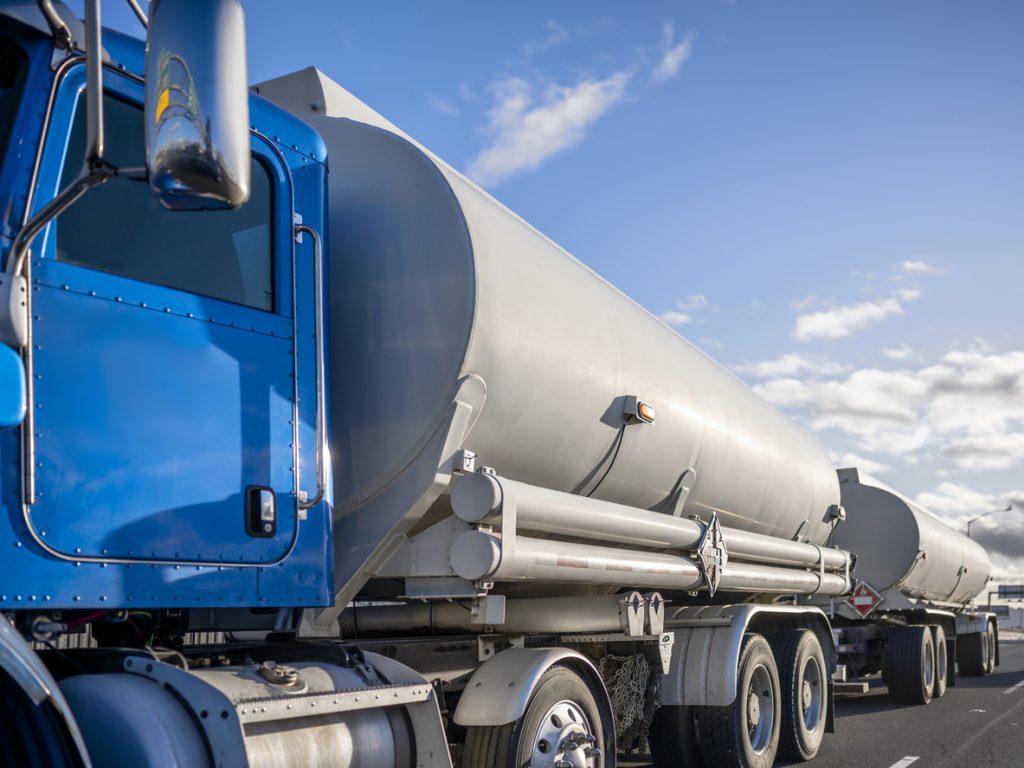
Fuel export logistics in Nigeria is not the kind of job you handle casually. It involves planning, compliance, transport coordination, timing, documentation, and reliable movement from one point to another without costly delays.
For businesses moving petroleum products, industrial fuel supplies, lubricants, or energy-related cargo, one missed detail can affect delivery timelines, customer commitments, and operating costs. That is why proper logistics planning matters before the truck, vessel, or cargo unit even moves.
At Travo.ng, fuel-related cargo movement is approached with practical coordination, route awareness, and support for businesses that need dependable logistics across Nigeria.
What Fuel Export Logistics Really Involves
Fuel export logistics is more than loading products and sending them out. In Nigeria, it often includes:
- Pickup coordination from depots, terminals, or storage facilities
- Cargo documentation support
- Road transport planning
- Port or border movement coordination
- Delivery tracking
- Vehicle or truck arrangement
- Timing around traffic, checkpoints, and loading schedules
For example, moving fuel-related cargo from Lagos to a northern commercial hub requires different planning from moving goods toward Port Harcourt, Warri, or border-linked corridors. Road condition, security, documentation, and driver reliability all affect the final delivery outcome.
Common Routes for Fuel and Energy Cargo Movement
Many businesses dealing with fuel export logistics in Nigeria operate around major commercial and energy routes such as Lagos, Apapa, Tin Can, Port Harcourt, Warri, Onne, Abuja, Kano, Kaduna, and border-facing locations.
A Lagos to Abuja movement may take roughly one to two days depending on vehicle type, loading time, road conditions, and traffic around Lagos exit points. Lagos to Kano may require more careful route planning because of distance, driver rest points, and cargo monitoring.
For export-linked cargo, movement around ports can also be sensitive. Delays around Apapa or Tin Can may affect loading schedules, so logistics teams need to plan with enough time instead of assuming same-day port access will be smooth.
Mistakes Businesses Make With Fuel Cargo Movement
One common mistake is focusing only on transport cost. Cheap movement can become expensive if the vehicle is unreliable, the driver is poorly coordinated, or the cargo misses its delivery window.
Other frequent mistakes include:
- Booking trucks too late
- Not confirming documentation before dispatch
- Ignoring Lagos traffic when planning pickup times
- Using unverified transporters
- Failing to track cargo movement properly
- Underestimating delays around depots, ports, or checkpoints
For fuel export logistics in Nigeria, planning early is usually cheaper than correcting mistakes halfway through the trip.
What It May Cost to Move Fuel-Related Cargo
Costs vary depending on cargo volume, vehicle type, distance, route risk, loading point, and delivery urgency. A short commercial movement within Lagos will not cost the same as interstate cargo movement from Lagos to Abuja, Port Harcourt, Kano, or a border-connected route.
Businesses should expect pricing to be influenced by:
- Truck capacity
- Fuel price changes
- Driver availability
- Distance
- Loading and waiting time
- Required handling support
- Delivery urgency
This is why getting a proper quote before dispatch is important. Travo.ng can help businesses coordinate realistic logistics options instead of relying on guesswork.
How Travo.ng Supports Fuel Export Logistics in Nigeria
Travo.ng helps businesses plan and coordinate logistics in a way that fits real Nigerian operating conditions. Depending on the shipment need, support may include cargo logistics, vehicle arrangement, transport coordination, delivery planning, courier support for documents, and business logistics assistance.
For companies handling export-related fuel operations, Travo.ng can also support movement around key cities, ports, airports, business locations, and delivery points. This helps reduce the stress of calling multiple transporters or trying to manage dispatch manually.
When to Start Planning Your Movement
For serious cargo movement, it is better to plan ahead. Same-day requests may be possible for some logistics jobs, but fuel export logistics often needs more preparation.
A business should confirm:
- Pickup and delivery addresses
- Cargo details
- Required vehicle type
- Loading date and time
- Documentation needs
- Expected delivery timeline
- Contact person at both ends
The clearer the information, the easier it is to avoid delays.
A Practical Way to Move Fuel-Related Cargo
Fuel export logistics in Nigeria works best when transport is handled by people who understand Nigerian roads, city delays, cargo timing, and business pressure. Whether the movement is within Lagos, across states, toward a port, or connected to export operations, coordination is everything.
Travo.ng gives businesses a practical way to arrange logistics support, transport coordination, delivery services, cargo movement, and related travel or booking needs from one reliable point.
For businesses that want fewer delays and better control over fuel-related cargo movement, booking logistics support through Travo.ng is a sensible place to start.
