


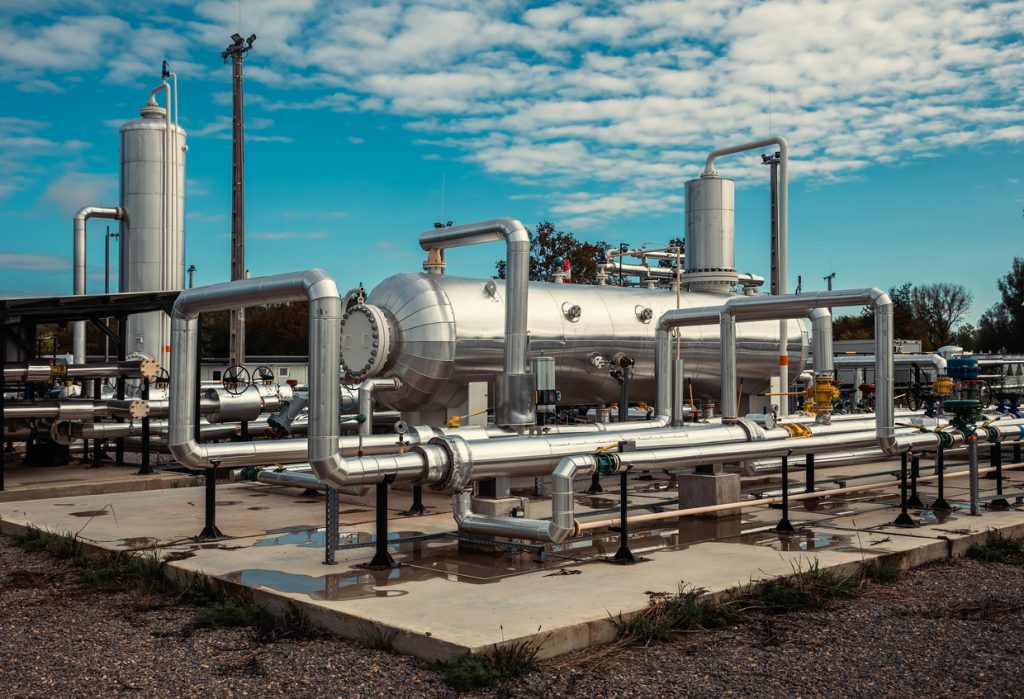
Moving petroleum products across West Africa is not the same as moving regular cargo. The routes are longer, the documentation is stricter, and one delay at a depot, border post, port, or loading point can affect businesses, filling stations, construction sites, factories, and transport operators.
For companies dealing with fuel, lubricants, diesel, aviation support products, or energy-related cargo, reliable petroleum supply logistics in West Africa requires more than just finding a truck. It needs proper coordination, route knowledge, compliance awareness, and dependable transport planning.
What Makes Petroleum Movement Difficult in West Africa
West Africa has active trade corridors, but the logistics environment can be unpredictable. A delivery from Lagos to Cotonou may look simple on paper, but port congestion, customs checks, traffic around Mile 2, border queues at Seme, and documentation gaps can slow things down.
For longer routes such as Nigeria to Ghana, Côte d’Ivoire, Togo, Benin, or Niger, operators often deal with:
- Depot loading delays
- Tanker availability issues
- Driver documentation checks
- Border clearance bottlenecks
- Poor road conditions on certain corridors
- Security concerns on night routes
- Fluctuating fuel prices
- Urgent supply requests from businesses
This is why many businesses prefer working with logistics partners who understand both local transport and regional movement.
Common Petroleum Logistics Routes Businesses Use
In Nigeria and across West Africa, petroleum supply often moves through major commercial and energy corridors. Some common routes include Lagos to Abuja, Lagos to Port Harcourt, Lagos to Kano, Lagos to Cotonou, Lagos to Accra, and Port Harcourt to industrial sites in the South-East and North-Central regions.
For companies supplying diesel to hotels, estates, factories, telecom sites, or construction projects, timing matters. A hotel in Lekki or Victoria Island cannot wait two extra days for diesel because a truck was poorly scheduled. A factory in Ogun or Aba also needs predictable supply to avoid production shutdowns.
Travo.ng supports businesses by helping coordinate transport, cargo movement, delivery planning, and logistics support based on actual route demands.
What Businesses Should Confirm Before Moving Petroleum Products
Before arranging petroleum transport, businesses should confirm a few things clearly:
- Product type and volume
Diesel, petrol, lubricants, and industrial fuel products may require different handling and vehicle arrangements. - Loading and delivery points
A vague address causes delays. Depot name, city, site contact, and receiving instructions should be confirmed early. - Required permits and documents
Cross-border movement may require customs papers, waybills, product documents, and vehicle details. - Delivery urgency
Same-day or next-day movement within Lagos is different from interstate or cross-border supply coordination. - Offloading conditions
Some sites have restricted access, limited space, or specific delivery windows.
Getting these details right reduces disputes, waiting charges, and failed deliveries.
How Travo.ng Helps With Petroleum Supply Logistics in West Africa
Travo.ng is useful for businesses that need practical logistics coordination instead of scattered arrangements with different vendors. Depending on the request, the team can support transport planning, cargo logistics, delivery coordination, vehicle hire, interstate movement, and business logistics support.
For example, a company that needs diesel supply support from Lagos to a construction site in Abuja may need more than a tanker. They may need pickup timing, route planning, driver communication, delivery confirmation, and backup coordination if there is a delay.
For cross-border petroleum-related cargo, planning becomes even more important. Travo.ng can help businesses think through routes, transport needs, documentation expectations, and delivery timelines before movement begins.
Mistakes That Can Make Petroleum Delivery More Expensive
Many delays happen because businesses rush the booking process. Common mistakes include booking transport too late, failing to confirm site access, using unverified vehicles, ignoring documentation, or underestimating border delays.
Another common problem is choosing the cheapest option without checking reliability. In petroleum logistics, a cheap but unreliable arrangement can become expensive if the product arrives late, the truck breaks down, or the receiving site loses operating hours.
A better approach is to plan early, confirm all movement details, and work with a logistics provider that understands Nigerian and West African transport realities.
Planning Petroleum Logistics the Practical Way
If your business depends on steady petroleum supply, logistics should not be treated as an afterthought. Whether you are moving diesel within Lagos, supplying fuel to sites in Abuja, arranging cargo support to Ghana, or coordinating transport across West Africa, the process needs structure.
Travo.ng helps businesses simplify this by providing practical travel, transport, delivery, cargo, and logistics support from one place.
For companies that need petroleum supply logistics in West Africa, the best time to plan is before the product is urgently needed. With proper coordination, clear documentation, and reliable transport support, supply movement becomes safer, faster, and easier to manage.
