


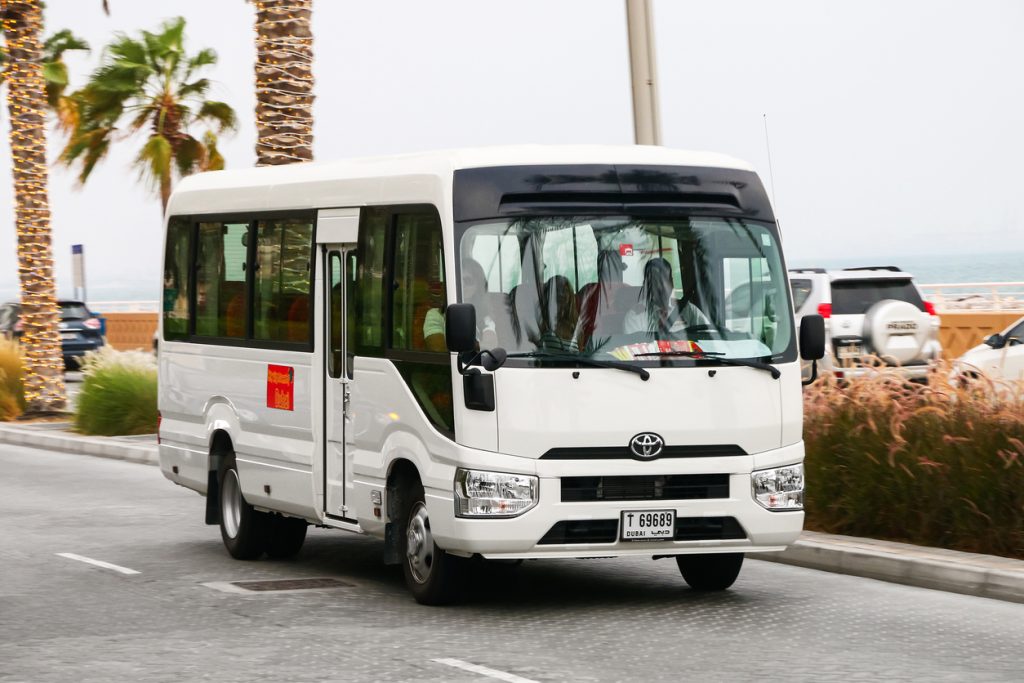
If you’ve ever tried moving from Lagos to Abuja or from Benin to Enugu on a busy weekend, you already know the reality: tickets disappear fast, motor parks get crowded early, and timing matters more than anything.
That’s where GIGM.com comes in — one of the few transport platforms in Nigeria that actually made interstate travel feel organized. But beyond the website and smooth interface, there are still real-life details most people only understand when they physically show up at the terminal.
This guide breaks it down the way it actually works on the ground, not just what you see online.
When people in Lagos start booking tickets (and why timing matters)
On routes like Lagos → Abuja, Lagos → Enugu, or Lagos → Port Harcourt, the difference between booking early and waiting till last minute is usually the difference between:
- Sitting in a comfortable executive bus
- Or scrambling for whatever seat is left at the park
During peak periods like Christmas, Easter, or Sallah, GIGM terminals in places like Jibowu, Festac, Ajah, and Utako (Abuja) get fully booked days ahead.
Regular travelers already know this pattern:
- Weekday morning departures fill slower
- Friday evening trips disappear fastest
- Night buses are usually the first to sell out for Lagos–Abuja routes
How GIGM.com actually works when you book a trip
On the surface, it looks simple:
- You enter your route
- Choose date
- Pick a seat
- Pay online
- Get confirmation
But in real operations, what matters is what happens after payment:
- Your seat is locked in the system instantly
- The terminal already has your passenger record
- You still need to physically check in before departure
- Boarding closes strictly before departure time
At terminals like Benin, Abuja Utako, or Oshodi, buses don’t wait. If departure is 8:00 AM, by 7:45 AM they’re already finalizing boarding lists.
The routes Nigerians use GIGM most for (real patterns, not theory)
From actual travel demand, GIGM is most heavily used on:
- Lagos ↔ Abuja (business + government movement)
- Lagos ↔ Benin (short interstate corridor, frequent trips)
- Lagos ↔ Enugu (Eastern travel flow)
- Abuja ↔ Port Harcourt (work + relocation routes)
- Lagos ↔ Owerri/Aba (trader-heavy routes)
On these routes, the system becomes less about “booking convenience” and more about guaranteeing you don’t get stranded at the park.
What most people don’t realize about GIGM terminals
Even though GIGM is digital, the real experience still happens at the terminal.
For example:
- At Jibowu (Lagos), traffic outside the terminal can delay arrival, so passengers often come 1–2 hours early
- At Utako (Abuja), boarding is stricter; late passengers rarely get rescheduled
- In Benin terminals, cargo and passenger loading often run side by side, so timing is tightly controlled
So while GIGM.com handles booking, the actual travel experience is still very physical and time-sensitive.
Where Travo.ng fits into real travel planning
This is where most travelers now combine systems.
Instead of only relying on one platform, many users now use Travo.ng to coordinate:
- Transport booking assistance (including GIGM routes)
- Hotel reservations when arriving in a new city late
- Airport pickup coordination for connecting trips
- Parcel and courier movement between cities
- Multi-city travel planning (for business or relocation)
For example:
A trader moving goods from Lagos to Abuja may:
- Book cargo via transport system
- Reserve a hotel in Abuja via Travo.ng
- Arrange pickup logistics for delivery on arrival
It’s not just transport anymore — it’s coordinated movement.
Small mistakes people still make when using GIGM.com
Even frequent travelers still get caught by these issues:
- Booking the right date but wrong terminal location in Lagos
- Arriving late and missing boarding cut-off
- Assuming payment alone guarantees flexible rescheduling
- Not checking travel time against Lagos traffic reality
Lagos especially changes everything — a 10:00 AM departure from Jibowu can still be affected by Ikorodu Road traffic at 7:00 AM.
Why GIGM still matters in Nigeria’s transport system
Despite newer apps and smaller transport companies, GIGM remains important because:
- It is structured and predictable
- Routes are consistent
- Pricing is transparent
- Booking reduces uncertainty at motor parks
- Terminals are organized compared to informal parks
For people traveling frequently between major cities, it reduces one major problem: guesswork.
Final practical insight
If you’re using GIGM.com for travel in Nigeria, the real advantage is not just booking online — it’s planning ahead like a logistics operation:
- Book early for long routes (especially Lagos–Abuja)
- Treat terminal arrival time as part of the journey
- Expect physical boarding even after online booking
- Combine travel with accommodation or delivery planning when needed
That’s where services like Travo.ng become useful — not just for booking, but for coordinating the entire movement around your trip.
