


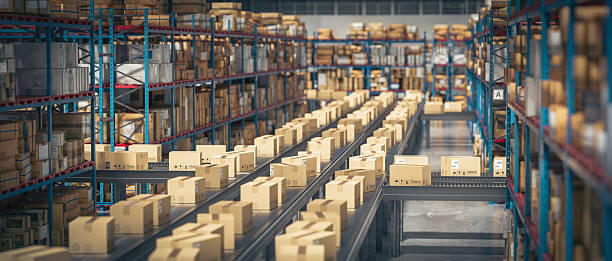
Cold chain logistics in Nigeria refers to the controlled transportation and storage of temperature-sensitive goods such as food, pharmaceuticals, vaccines, dairy products, frozen meat, and fresh produce. The goal is to keep products within a specific temperature range from origin to final delivery so they do not spoil or lose quality.
In Nigeria, cold chain logistics is especially important because of:
- High ambient temperatures
- Unstable electricity supply
- Long-distance distribution routes
- Port congestion delays in Lagos
- Rapidly growing food and pharmaceutical demand
Travo.ng supports cold chain logistics operations by coordinating temperature-controlled warehousing, fleet movement, and last-mile delivery across Lagos and major industrial corridors.
1. What Is Cold Chain Logistics?
Cold chain logistics is a temperature-controlled supply chain system that ensures goods remain within a safe temperature range during:
- Storage
- Transportation
- Handling
- Distribution
Typical temperature ranges:
- Chilled goods: 0°C to 8°C
- Frozen goods: -18°C to -25°C
- Ultra-cold (vaccines): -40°C to -80°C (special systems)
If the chain breaks at any point, the product may become unsafe or unusable.
2. Cold Chain Infrastructure in Nigeria
Cold chain systems in Nigeria rely on three main components:
A. Cold Storage Warehouses
Located in:
- Lagos (Ikeja, Amuwo Odofin, Apapa, Lekki axis)
- Ogun (Agbara, Sagamu corridor)
- Abuja and Port Harcourt
Used for:
- Frozen foods
- Dairy products
- Pharmaceuticals
- Imported perishables
B. Refrigerated Transport (Reefer Trucks)
These are trucks with built-in cooling systems.
Used for:
- Inter-state distribution
- Port-to-warehouse transport
- Supermarket supply chains
They maintain temperature during transit.
C. Cold Distribution Hubs (Cross-Docking Centers)
These hubs:
- Receive goods from port or production
- Temporarily store at controlled temperatures
- Dispatch quickly to retailers or customers
Common in Lagos FMCG supply chains.
3. Key Sectors Using Cold Chain Logistics in Nigeria
1. Food & Beverage Industry
- Frozen meat
- Fish and seafood
- Dairy products
- Ice cream and frozen foods
2. Pharmaceutical Industry
- Vaccines
- Insulin
- Antibiotics
- Sensitive medical supplies
3. Agriculture & Export
- Fruits and vegetables
- Export-grade perishables
- Seafood exports
4. Retail & Supermarkets
- Imported frozen products
- Fresh produce distribution
- Restaurant supply chains
4. Challenges of Cold Chain Logistics in Nigeria
Cold chain logistics is highly sensitive and faces major challenges:
1. Power Supply Issues
- Frequent electricity outages
- High dependency on generators
2. High Operational Cost
- Fuel for refrigerated trucks
- Generator usage in warehouses
- Maintenance of cooling systems
3. Infrastructure Gaps
- Limited cold storage capacity
- Poor rural distribution networks
4. Port Delays
- Congestion at Apapa and Tin Can
- Risk of temperature break during delays
5. Skilled Personnel Shortage
- Limited trained cold chain technicians
- Poor handling practices in some regions
5. Cold Chain Warehousing Requirements
A proper cold chain warehouse in Nigeria must have:
- Temperature monitoring systems
- Backup power (generator or solar hybrid)
- Insulated storage rooms
- Real-time tracking systems
- Proper loading dock insulation
- Alarm systems for temperature deviation
In Lagos, premium cold chain warehouses are concentrated in Ikeja, Amuwo Odofin, and Lekki corridors.
6. Cold Chain Transportation Requirements
Refrigerated transport must include:
- Reefer trucks with adjustable temperature control
- GPS tracking systems
- Real-time temperature monitoring
- Proper insulation seals
- Pre-cooled loading procedures
7. Cold Chain Logistics Flow in Nigeria (Simple Process)
- Import or production
- Cold storage warehouse (port or inland)
- Refrigerated transport
- Regional cold hub
- Retail or final delivery
At every stage, temperature must remain stable.
8. Cost Factors in Cold Chain Logistics
Costs are higher than normal logistics due to:
- Fuel consumption (reefer trucks)
- Electricity or generator usage
- Specialized warehouse infrastructure
- Maintenance of cooling systems
- Insurance for sensitive goods
Cold chain logistics can cost 30%–80% more than standard logistics depending on product type.
9. Why Cold Chain Logistics Is Growing in Nigeria
Demand is increasing due to:
- Growth of supermarkets and retail chains
- Expansion of pharmaceutical imports
- Rising frozen food consumption
- E-commerce grocery delivery
- Urban population growth in Lagos and Abuja
10. How Travo.ng Supports Cold Chain Logistics
Travo.ng helps businesses by:
- Connecting them to verified cold storage warehouses
- Coordinating refrigerated transport across Lagos and interstate routes
- Managing time-sensitive cargo movement from ports
- Supporting FMCG and pharmaceutical distribution chains
- Optimizing cold chain routing to reduce spoilage risk
