


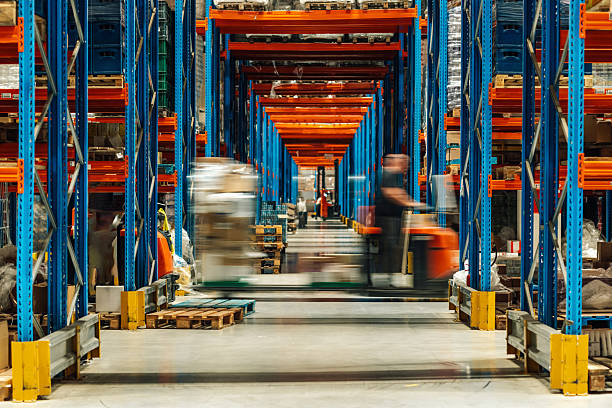
Warehouse HSE standards in Nigeria (Health, Safety & Environment standards) are the operational rules that ensure warehouses run safely, protect workers, safeguard stored goods, and prevent accidents like fire outbreaks, forklift injuries, or cargo collapse.
In practical terms, HSE compliance in Nigerian warehouses is not just about paperwork—it is about how safely goods move through real environments like:
- Apapa and Tin Can logistics corridors
- Ikeja industrial warehouses
- Lekki fulfillment centers
- Port Harcourt industrial storage zones
With rising cargo volumes and more third-party logistics operations, HSE standards have become a serious requirement for any professional warehouse operation.
Travo.ng supports logistics and warehousing operations by helping businesses adopt safer cargo handling systems, improve warehouse flow, and coordinate logistics environments that reduce operational risk.
What HSE Means in a Warehouse Environment
HSE in warehousing focuses on three core areas:
- Health: Protecting workers from injury or exposure risks
- Safety: Preventing accidents involving cargo, equipment, or vehicles
- Environment: Ensuring safe handling of waste, chemicals, and materials
In Nigerian logistics operations, this typically covers:
- Forklift operations
- Loading and unloading bays
- Storage stacking systems
- Fire prevention systems
- Warehouse cleanliness and ventilation
- Chemical or hazardous goods handling
Core Warehouse HSE Standards in Nigeria
1. Fire Safety Compliance
Fire safety is one of the most important HSE requirements in Nigerian warehouses.
A compliant warehouse should have:
- Fire extinguishers (correct classification types)
- Fire alarms and smoke detectors
- Emergency exits clearly marked
- Fire assembly points
- Electrical safety inspections
- Regular fire drills
Warehouses in Lagos industrial zones are often inspected for fire readiness due to high cargo density and electrical load demands.
2. Safe Loading and Unloading Operations
Most warehouse accidents in Nigeria happen at loading bays.
HSE standards require:
- Clearly marked loading zones
- Dock levelers or safe ramps
- Speed control for trucks inside warehouse premises
- Proper supervision during cargo movement
- Weight limits for manual handling
In high-traffic logistics areas like Apapa and Oshodi, loading bay safety is critical due to constant truck movement.
3. Forklift and Equipment Safety
Warehouses using forklifts or pallet jacks must ensure:
- Certified forklift operators
- Regular maintenance checks
- Speed limits inside warehouse
- Load weight compliance
- Clear pedestrian walkways
Improper forklift operation is one of the most common causes of warehouse injuries globally and in Nigeria.
4. Proper Storage and Racking Systems
Safe storage is a major HSE requirement.
Warehouses must ensure:
- Stable pallet racking systems
- No overstacking beyond safe height limits
- Proper weight distribution
- Clear labeling of stored goods
- Separation of incompatible materials
Poor stacking is a major cause of warehouse collapse incidents in developing logistics environments.
5. Personal Protective Equipment (PPE)
Warehouse workers must be provided with PPE such as:
- Safety boots
- Helmets (in high-risk zones)
- Reflective jackets
- Gloves for handling cargo
- Protective eyewear (for industrial materials)
This is especially important in FMCG, construction materials, and industrial logistics warehouses.
6. Emergency Response Systems
A proper warehouse HSE system must include:
- Emergency evacuation plans
- First aid kits and trained responders
- Fire response procedures
- Incident reporting systems
- Clearly marked exits
Many Nigerian warehouses now conduct periodic emergency drills as part of compliance expectations.
7. Warehouse Housekeeping Standards
Cleanliness is a major HSE requirement.
Good warehouse housekeeping includes:
- Clear walkways
- No blocked exits
- Proper waste disposal
- Organized inventory layout
- Spill management procedures
A poorly organized warehouse increases both fire risk and operational accidents.
8. Chemical and Hazardous Goods Handling
For warehouses storing:
- Industrial chemicals
- Petroleum products
- Pharmaceuticals
- Cleaning agents
HSE rules require:
- Proper labeling and segregation
- Ventilated storage areas
- Spill containment systems
- Restricted access zones
- Fire-resistant storage systems
This is especially important in industrial hubs around Lagos and Port Harcourt.
Regulatory Bodies Overseeing Warehouse HSE in Nigeria
Warehouse safety compliance is influenced by multiple agencies:
- Federal Ministry of Labour and Employment – workplace safety oversight
- Nigerian Ports Authority (NPA) – port warehouse safety
- Nigeria Customs Service (NCS) – bonded warehouse control
- Federal Fire Service – fire safety inspections
- State safety agencies – local compliance enforcement
Bonded warehouses in particular face stricter monitoring due to customs control requirements.
Common HSE Problems in Nigerian Warehouses
Many warehouses in Nigeria struggle with:
- Poor forklift training
- Weak fire safety systems
- Overcrowded storage layouts
- Lack of PPE compliance
- Poor electrical installations
- Inadequate emergency planning
These issues increase risk of:
- Fire outbreaks
- Cargo damage
- Worker injuries
- Operational shutdowns
Why HSE Standards Matter in Lagos Warehouses
Lagos logistics environments are high-risk due to:
- Heavy truck traffic
- High cargo turnover
- Dense warehouse clusters
- Port-related congestion
- Fast-moving FMCG distribution
Without proper HSE systems, even small incidents can cause major operational disruption.
Cost of HSE Compliance in Warehouse Operations
Implementing warehouse HSE standards typically includes:
- Safety equipment installation
- Training programs
- PPE procurement
- Fire system setup
- Regular inspections and audits
Costs vary depending on warehouse size, but most medium-scale facilities budget annually for ongoing compliance rather than one-time setup.
How Travo.ng Supports Warehouse Safety and Logistics Efficiency
Travo.ng helps businesses by:
- Coordinating safer warehouse and cargo handling systems
- Supporting logistics flow planning to reduce congestion risks
- Assisting businesses in selecting operationally safe warehouse facilities
- Managing fleet movement to reduce loading bay pressure
- Improving distribution planning across Nigeria
The focus is simple: safer warehousing leads to faster and more reliable logistics performance.
