


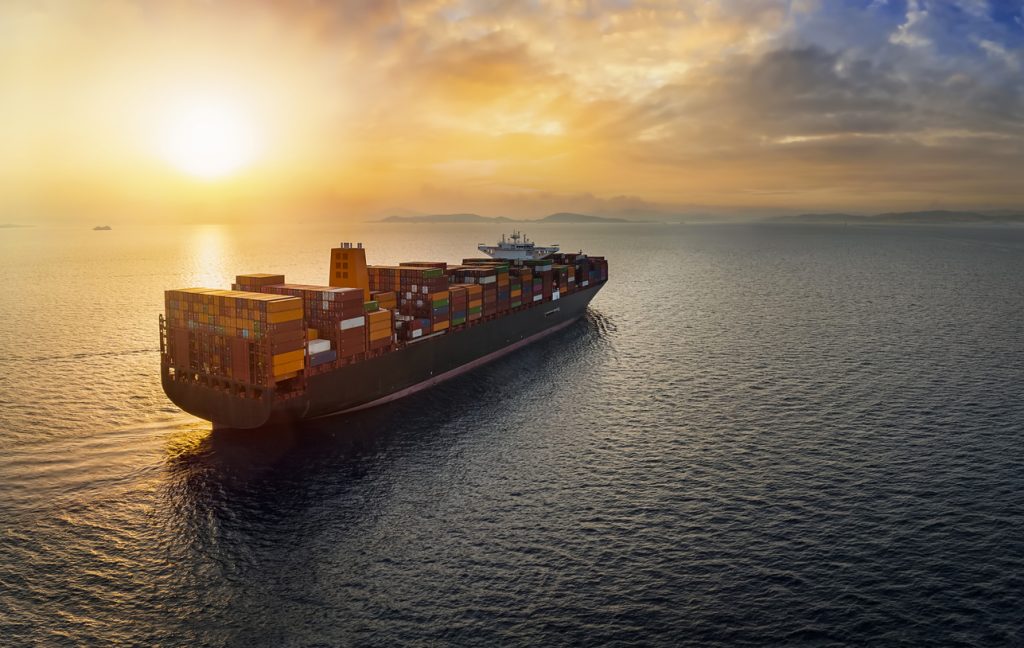
Coastal cargo shipping in Nigeria is one of the most important but often under-discussed parts of the country’s logistics system. Instead of relying only on road transport, goods are moved along the coastline using vessels that connect major seaports like Lagos, Port Harcourt, Warri, and Calabar.
This method is especially useful for heavy, bulky, or high-volume cargo that would be expensive or risky to move entirely by road. In many cases, coastal shipping helps reduce congestion on Nigerian highways and lowers the pressure on long-distance haulage routes.
Travo.ng supports coastal cargo shipping logistics in Nigeria by helping coordinate port-to-port movement, inland delivery after discharge, and end-to-end cargo handling for businesses that rely on marine transport routes.
What Coastal Cargo Shipping Means in Nigeria
Coastal cargo shipping refers to the movement of goods by sea between ports located within Nigeria’s coastline.
It typically involves:
- Shipping goods from Lagos to Port Harcourt
- Moving cargo from Warri to Lagos
- Transporting goods between Onne, Calabar, and other coastal hubs
- Using vessels for domestic marine logistics instead of road transport
This is also known as “domestic maritime shipping” or “coastal trade transport.”
Why Coastal Shipping Is Important in Nigeria
Nigeria has one of the busiest road cargo systems in West Africa, but roads alone cannot handle all logistics demand.
Coastal shipping helps because it:
- Reduces pressure on highways like Lagos–Benin–Onitsha routes
- Moves large volumes of cargo more efficiently
- Supports oil, gas, and industrial supply chains
- Lowers long-distance transport costs for heavy goods
- Improves delivery capacity between coastal regions
For industries dealing with bulk goods, shipping by water is often more practical than trucking across hundreds of kilometers.
How Coastal Cargo Shipping Works in Nigeria
1. Cargo Collection and Port Entry
Goods are moved from:
- Warehouses
- Factories
- Industrial yards
- Import terminals
Into major ports like:
- Apapa Port (Lagos)
- Tin Can Island Port
- Onne Port
- Warri Port
2. Documentation and Clearance
Cargo is processed through:
- Port authorities
- Shipping documentation systems
- Customs and regulatory checks (if required)
3. Vessel Loading
Cargo is loaded using:
- Cranes
- Forklifts
- Reach stackers
Depending on whether it is:
- Containerized cargo
- Bulk cargo
- Heavy industrial equipment
4. Coastal Transport by Sea
Vessels move cargo along Nigeria’s coastline between ports such as:
- Lagos → Port Harcourt
- Lagos → Warri
- Onne → Lagos
- Warri → Calabar
5. Offloading and Inland Delivery
Once cargo arrives:
- It is offloaded at the destination port
- Transferred to trucks for inland transport
- Delivered to warehouses or final destinations
Types of Cargo Transported via Coastal Shipping
1. Bulk Industrial Goods
- Cement
- Steel
- Construction materials
2. Petroleum and Energy Products
- Refined fuel
- Industrial chemicals
- Oil-related cargo
3. Containerized Goods
- Imported consumer products
- FMCG goods
- Manufacturing inputs
4. Heavy Equipment
- Industrial machinery
- Construction equipment
- Oversized cargo
Major Coastal Shipping Routes in Nigeria
Coastal cargo movement is concentrated along key maritime corridors:
- Lagos to Port Harcourt (industrial and oil logistics route)
- Lagos to Warri (energy and trade movement)
- Onne to Lagos (import redistribution route)
- Warri to Calabar (regional coastal trade)
- Port Harcourt to other Niger Delta ports
These routes support both commercial and industrial logistics demand.
Advantages of Coastal Cargo Shipping
1. High Volume Capacity
Ships can move far more cargo than trucks in a single trip.
2. Reduced Road Congestion
Less heavy cargo on highways means fewer delays and accidents.
3. Lower Transport Cost for Bulk Goods
Especially for heavy or non-urgent cargo.
4. Improved Safety for Fragile Cargo
Less handling compared to multiple truck transfers.
5. Efficient Long-Distance Coastal Movement
Ideal for port-to-port logistics across southern Nigeria.
Challenges of Coastal Shipping in Nigeria
1. Port Congestion
Lagos ports often experience delays in loading and offloading.
2. Infrastructure Limitations
Some terminals lack modern handling equipment.
3. Documentation Delays
Regulatory processes can slow down cargo movement.
4. Weather Conditions
Sea conditions can affect scheduling and transit times.
5. Limited Inland Integration
Cargo still needs trucks for final delivery after port arrival.
Cost of Coastal Cargo Shipping in Nigeria
Pricing depends on:
- Cargo volume and weight
- Distance between ports
- Type of vessel used
- Port handling charges
- Loading and offloading requirements
- Storage and demurrage time
Typical estimates:
- Small container coastal shipment: ₦150,000 – ₦500,000
- Bulk industrial coastal movement: ₦500,000 – ₦2,000,000+
- Large-scale shipping contracts: Custom pricing based on volume
Coastal Shipping vs Road Transport in Nigeria
Coastal Shipping
- Best for bulk and heavy cargo
- More cost-efficient over large volumes
- Slower but more stable for planned logistics
Road Transport
- Faster for short distances
- More flexible delivery options
- Affected by traffic and road conditions
Many businesses combine both for optimal logistics efficiency.
Industries That Depend on Coastal Cargo Shipping
Oil and Gas
- Equipment movement
- Fuel and chemical logistics
Construction
- Bulk material transport
- Heavy equipment delivery
Manufacturing
- Industrial inputs
- Large-scale raw materials
Import/Export Businesses
- Port-to-port cargo redistribution
- Container logistics
Why Coastal Shipping Matters for Nigeria’s Logistics System
Coastal cargo shipping helps:
- Reduce highway freight pressure
- Support industrial supply chains
- Improve national distribution efficiency
- Enable large-scale cargo movement between regions
It is a critical complement to road logistics, not a replacement.
Reliable Coastal Cargo Shipping Requires Coordination
Efficient maritime logistics depends on:
- Port operations management
- Vessel scheduling
- Cargo handling equipment
- Inland transport coordination
- Real-time logistics tracking
Travo.ng provides coastal cargo shipping support in Nigeria, helping businesses coordinate port-to-port logistics, manage inland delivery after shipment arrival, and ensure smooth cargo movement across Nigeria’s coastal trade network.
