


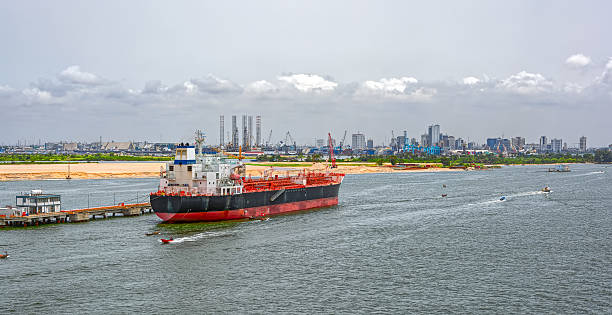
Fleet and cargo management in Nigeria is what keeps large logistics operations from turning into chaos. Once a business starts moving goods regularly—across Lagos, Abuja, Port Harcourt, Kano, and other cities—it is no longer just about having trucks. It becomes about managing vehicles, cargo flow, drivers, routes, timing, and delivery performance all at once.
Without proper management, even a large fleet can underperform. Trucks get delayed, cargo gets mismatched, fuel is wasted, and deliveries arrive late. With the right system in place, however, businesses can move hundreds of shipments smoothly across the country.
Travo.ng supports fleet and cargo management in Nigeria by helping businesses coordinate vehicles, track shipments, plan routes, and manage cargo movement efficiently across interstate and urban logistics networks.
What Fleet and Cargo Management Really Means in Nigeria
Fleet and cargo management refers to the coordination of:
- Multiple delivery vehicles (fleet)
- Goods being transported (cargo)
- Drivers and dispatch operations
- Routes and delivery schedules
- Loading and offloading processes
It is essentially the “control system” behind logistics operations.
Instead of managing one delivery at a time, businesses manage an entire moving system.
Why Fleet and Cargo Management Is Important in Nigeria
Nigeria’s logistics environment has real operational challenges:
- Traffic congestion in major cities like Lagos
- Long interstate travel distances
- Fuel price fluctuations
- Road conditions and vehicle wear
- High-volume commercial demand
Without proper management, these issues quickly lead to inefficiency.
Good fleet and cargo management helps businesses:
- Reduce delivery delays
- Lower transportation costs
- Improve vehicle usage efficiency
- Prevent cargo loss or misrouting
- Maintain consistent supply chains
How Fleet and Cargo Management Works in Practice
Effective logistics management follows a structured system:
1. Fleet Allocation
Vehicles are assigned based on:
- Cargo size
- Delivery destination
- Urgency level
- Route conditions
2. Cargo Scheduling
Goods are grouped and scheduled for:
- Same-day delivery
- Interstate dispatch
- Bulk movement operations
3. Route Planning
Routes are optimized to reduce:
- Traffic delays
- Fuel consumption
- Travel time
4. Dispatch Coordination
Cargo is loaded and dispatched in a controlled sequence:
- Priority shipments first
- Bulk loads organized efficiently
- Time-sensitive deliveries separated
5. Tracking and Monitoring
During movement:
- Vehicle locations are monitored
- Delivery progress is tracked
- Delays are communicated
6. Delivery Confirmation
At destination:
- Cargo is verified
- Delivery is recorded
- Performance data is updated
Key Components of Fleet Management in Nigeria
1. Vehicle Management
This includes:
- Maintenance scheduling
- Fuel tracking
- Vehicle condition monitoring
- Availability planning
2. Driver Management
Important for:
- Delivery reliability
- Safety compliance
- Route discipline
- Communication efficiency
3. Cargo Coordination
Ensures:
- Correct cargo assignment
- Proper loading
- Safe handling
- Delivery accuracy
4. Route Optimization
Focuses on:
- Shortest and safest routes
- Traffic-aware planning
- Interstate efficiency
5. Performance Monitoring
Tracks:
- Delivery times
- Fuel usage
- Vehicle utilization
- Customer satisfaction
Types of Cargo Managed in Nigeria
Fleet and cargo systems handle different categories:
- Retail and FMCG goods
- Industrial raw materials
- Construction equipment
- Agricultural products
- Fuel and liquid cargo
- Heavy machinery
- E-commerce shipments
Each requires different handling and transport planning.
Common Challenges in Fleet and Cargo Management in Nigeria
1. Traffic Congestion
Especially in Lagos, causing delays and fuel waste.
2. Poor Coordination Systems
Manual processes often lead to miscommunication.
3. Vehicle Downtime
Breakdowns reduce fleet efficiency.
4. Fuel Costs
Unstable pricing affects logistics planning.
5. Route Disruptions
Road construction or weather conditions can affect delivery timing.
Why Poor Management Causes Logistics Failure
Even with enough trucks, poor management leads to:
- Delayed deliveries
- Lost or misrouted cargo
- High operational costs
- Inefficient fleet usage
- Customer dissatisfaction
This is why logistics success depends more on coordination than fleet size.
Industries That Depend on Fleet and Cargo Management
Retail and FMCG
- Nationwide distribution
- Inventory replenishment
Manufacturing
- Raw material supply
- Finished goods distribution
Construction
- Equipment and material transport
- Site logistics coordination
Oil and Gas
- Fuel and chemical movement
- Industrial supply chain support
E-commerce
- High-volume parcel delivery
- Multi-city logistics operations
Cost Factors in Fleet and Cargo Management in Nigeria
Costs depend on operational scale:
- Number of vehicles managed
- Distance covered
- Cargo volume
- Technology used (tracking systems, coordination tools)
- Frequency of deliveries
- Fuel and maintenance expenses
Typical ranges:
- Small fleet coordination: ₦100,000 – ₦500,000 monthly
- Medium operations: ₦500,000 – ₦2,000,000+ monthly
- Large-scale logistics systems: Custom enterprise pricing
Shared Logistics vs Managed Fleet Systems
Basic Logistics (Unmanaged)
- Individual deliveries handled separately
- No centralized control
- Higher risk of inefficiency
Fleet and Cargo Management
- Centralized coordination
- Optimized routing
- Better cost control
- Real-time monitoring
Why Fleet Management Improves Business Efficiency
Proper management leads to:
- Faster delivery times
- Lower fuel consumption
- Better cargo security
- Higher customer satisfaction
- Scalable logistics operations
It turns logistics from a reactive process into a structured system.
Reliable Fleet and Cargo Management in Nigeria
Effective logistics management requires coordination, visibility, and planning.
Travo.ng provides fleet and cargo management in Nigeria, helping businesses coordinate vehicles, track shipments, optimize routes, and manage large-scale cargo movement across cities and interstate routes with structured, real-world logistics solutions.
