


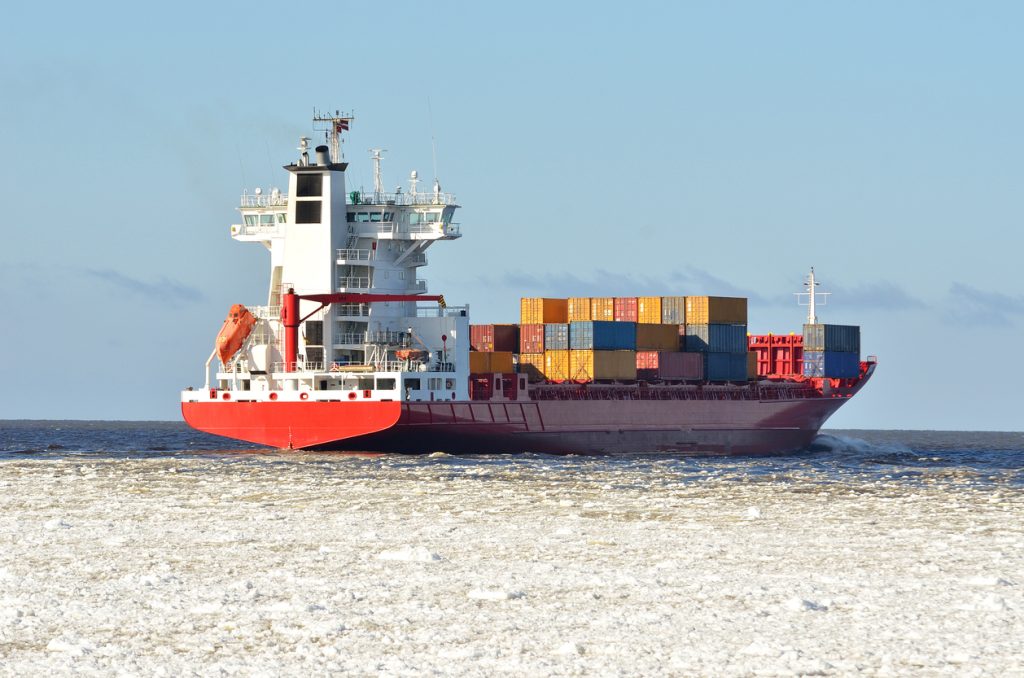
Mining cargo transport in Nigeria is one of the most demanding parts of the logistics industry because it deals with heavy, abrasive, and high-volume materials that often come from remote and difficult-to-access locations. These materials must be moved efficiently from mining sites to processing plants, warehouses, or export terminals without disrupting production.
Most export-bound mining cargo eventually passes through major logistics corridors leading to ports such as Apapa Port Complex, where minerals are processed, documented, and shipped to international buyers.
Unlike standard freight, mining logistics is shaped by terrain, equipment weight, and long-distance haulage challenges.
What Mining Cargo Transport Actually Means
Mining cargo transport refers to the movement of extracted mineral resources from mining sites to processing facilities, storage depots, or export terminals.
In practical terms, it includes:
- Haulage of raw solid minerals (ore, limestone, granite, etc.)
- Movement of processed mineral products
- Transport of mining equipment and machinery
- Bulk material haulage from remote extraction sites
- Export-bound mineral logistics coordination
It is a heavy-duty logistics system built for industrial-scale movement.
Why Mining Logistics Is Important in Nigeria
Mining transport plays a key role because:
- Nigeria has growing solid mineral extraction activities
- Construction industries rely on raw mineral supply
- Export markets demand consistent mineral shipments
- Processing plants depend on steady raw material inflow
- Mining operations are often located far from urban centers
Without reliable transport, mining output cannot reach commercial markets.
Where Mining Cargo Movement Usually Starts in Nigeria
Mining operations are spread across several states, including:
- Kogi (iron ore, limestone)
- Nasarawa (solid minerals and gemstones)
- Plateau (tin and other minerals)
- Ogun (limestone and quarry materials)
- Ebonyi (lead, zinc, and related minerals)
From these locations, cargo is transported to industrial hubs and export routes leading toward Lagos ports, including Apapa Port Complex.
How Mining Cargo Transport Works in Practice
A typical mining logistics operation follows a structured process:
- Extraction of minerals from mining site
- On-site loading into heavy-duty trucks
- Weight measurement and quality verification
- Road haulage to processing plant or depot
- Secondary processing or storage (if required)
- Long-distance transport to port or export hub
- Customs documentation and export preparation
- Shipment to international buyers
Each stage requires strong coordination due to cargo weight and distance.
Types of Mining Cargo Transported in Nigeria
Mining logistics handles different categories of materials:
Solid Minerals:
- Iron ore
- Limestone
- Granite
- Gypsum
- Bauxite
Gemstones and Precious Minerals:
- Tourmaline
- Quartz
- Tantalite
- Sapphire (in limited mining regions)
Industrial Raw Materials:
- Clay
- Silica sand
- Feldspar
- Laterite
Mining Equipment:
- Excavators
- Drilling machines
- Crushing and processing units
Real Challenges in Mining Cargo Transport in Nigeria
Mining logistics faces serious operational challenges such as:
- Poor road infrastructure in mining regions
- Long distances from sites to major ports
- Heavy load restrictions on certain routes
- High fuel and operational costs
- Limited availability of specialized heavy-duty trucks
- Security concerns in remote areas
- Weather conditions affecting rural roads
These factors significantly affect delivery timelines and cost.
Why Heavy Coordination Is Essential
Mining cargo is not moved casually. It requires:
- Route planning for heavy loads
- Load balancing to avoid vehicle damage
- Scheduled dispatch to avoid delays at processing plants
- Coordination between miners, transporters, and exporters
- Compliance with weight and transport regulations
Without coordination, equipment and materials can be delayed or damaged.
Common Mistakes in Mining Cargo Transport
Many mining operations face delays due to:
- Using unsuitable trucks for heavy loads
- Poor planning for long-distance haulage
- Ignoring route restrictions for heavy vehicles
- Lack of backup trucks during breakdowns
- Poor coordination between site and transport teams
These mistakes often lead to production delays and increased costs.
Who Needs Mining Cargo Transport in Nigeria
This service is essential for:
- Solid mineral mining companies
- Construction and quarry operators
- Export trading companies
- Industrial manufacturers using raw minerals
- Government infrastructure contractors
- Equipment suppliers for mining operations
Any business in the extraction or mineral supply chain depends on it.
How Efficient Mining Logistics Should Work
A reliable system depends on:
- Heavy-duty truck availability near mining zones
- Pre-planned haulage routes
- Proper loading and weight management
- Real-time tracking during long-distance transport
- Coordination with processing plants and export terminals
- Backup logistics for breakdowns or delays
Without structure, mining operations face major bottlenecks.
How Travo.ng Supports Mining Cargo Transport in Nigeria
Travo.ng provides structured logistics coordination for mining cargo movement from extraction sites to processing plants and export hubs.
Support typically includes:
- Heavy-duty haulage coordination from mining regions
- Transport planning toward Lagos export routes via Apapa Port Complex
- Specialized truck and equipment arrangement
- Long-distance route planning and monitoring
- Cargo tracking and logistics updates
- Delivery coordination for industrial and export needs
- Backup logistics support for delays or breakdowns
The focus is on ensuring mining cargo moves safely, efficiently, and without disrupting production or export schedules.
For mining operators in Nigeria, this means improved efficiency, reduced downtime, and more reliable supply chain performance.
