


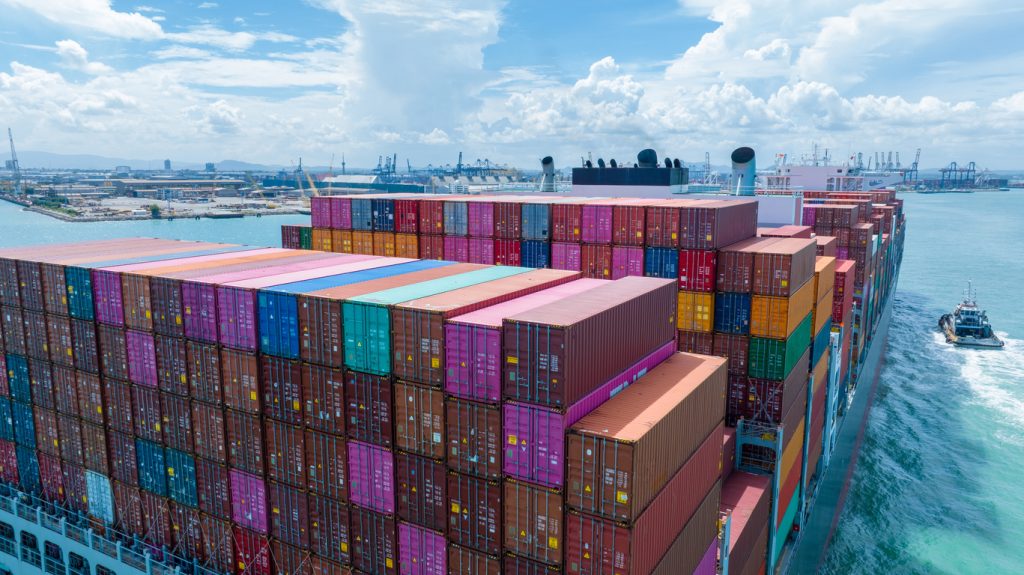
Import cargo logistics in Nigeria is the system that controls how goods move from international suppliers into the country and finally reach warehouses, factories, or retail markets. It is not just shipping—it is coordination across ocean freight, customs clearance, port handling, trucking, and final delivery.
Most imported goods enter through major gateways like Apapa Port Complex and Tin Can Island Port, where containers are processed before entering Nigeria’s distribution network.
If any step in this chain fails, goods can sit at the port and quickly attract demurrage, storage charges, and delays.
What Import Cargo Logistics Actually Means
Import cargo logistics refers to the full process of bringing goods from another country into Nigeria and delivering them to their final destination.
In practical terms, it includes:
- International freight booking (sea or air)
- Shipping documentation and bill of lading handling
- Customs clearance and duty processing
- Port cargo handling and container release
- Truck or trailer arrangement for pickup
- Inland transportation across Nigeria
- Final delivery to warehouse or business location
It is a complete end-to-end supply chain process.
Why Import Logistics Is So Important in Nigeria
Import logistics is critical because:
- Nigeria depends heavily on imported goods
- Manufacturing relies on imported raw materials and machinery
- Retail and wholesale markets are import-driven
- Delays affect pricing and product availability
- Ports handle high cargo volumes daily
Without structured import logistics, supply chains would become unstable very quickly.
Where Import Cargo Enters Nigeria
Most imports come through Lagos because of its port infrastructure:
- Apapa Port Complex
- Tin Can Island Port
From here, cargo is distributed nationwide to:
- Lagos warehouses and industrial zones
- Ogun State manufacturing hubs
- Abuja distribution centers
- Northern and eastern commercial markets
Lagos acts as the main import distribution gateway.
Step-by-Step Import Cargo Process in Nigeria
A typical import logistics flow includes:
- Supplier ships goods from origin country
- Cargo arrives at Lagos port terminal
- Documentation and customs declaration are submitted
- Duty assessment and payment processing
- Cargo inspection (if required)
- Release approval from customs
- Truck booking for port pickup
- Inland delivery to final destination
Each step must be properly coordinated to avoid delays.
Real Challenges in Import Cargo Logistics in Nigeria
Importers often face issues such as:
- Port congestion and vessel delays
- Customs clearance bottlenecks
- High demurrage and storage charges
- Exchange rate fluctuations affecting import costs
- Truck shortages for port pickup
- Traffic congestion around Apapa and Tin Can
These challenges increase both cost and delivery time.
Why Timing Matters in Import Logistics
Timing affects the entire import cycle:
- Delayed clearance increases storage fees
- Late truck booking leads to port delays
- Slow coordination affects warehouse operations
- Businesses lose sales due to stock shortages
Fast processing reduces total landed cost.
Common Mistakes Importers Make
Many import problems come from avoidable mistakes:
- Incomplete shipping documents before arrival
- No pre-arranged clearing and forwarding plan
- Waiting until cargo arrives before booking trucks
- Using multiple uncoordinated agents
- Poor communication between suppliers and logistics teams
These mistakes often lead to unnecessary expenses.
Who Needs Import Cargo Logistics in Nigeria
This service is essential for:
- Importers and wholesalers
- Manufacturing companies
- FMCG distributors
- Construction and engineering firms
- Oil and gas suppliers
- Retail and e-commerce businesses
Any business bringing goods into Nigeria depends on it.
How Efficient Import Logistics Should Work
A well-managed import system includes:
- Pre-shipment documentation preparation
- Early coordination with clearing agents
- Fast customs processing after arrival
- Immediate truck arrangement after release
- Real-time cargo tracking
- Backup plans for port delays
Without coordination, cargo gets stuck even after arrival.
How Travo.ng Supports Import Cargo Logistics in Nigeria
Travo.ng provides structured import logistics coordination designed to ensure smooth movement of goods from arrival at the port to final delivery.
Support typically includes:
- Import cargo coordination at Apapa Port Complex and Tin Can Island Port
- Customs clearance and documentation support
- Freight forwarding coordination (sea and air cargo handling)
- Truck and inland transport arrangement
- Door-to-door delivery across Nigeria
- Real-time shipment tracking and updates
- Backup logistics for delays or congestion
The focus is on reducing delays, controlling costs, and ensuring smooth import flow from port to destination.
For businesses in Nigeria, this means faster turnaround, fewer demurrage charges, and a more reliable supply chain.
