


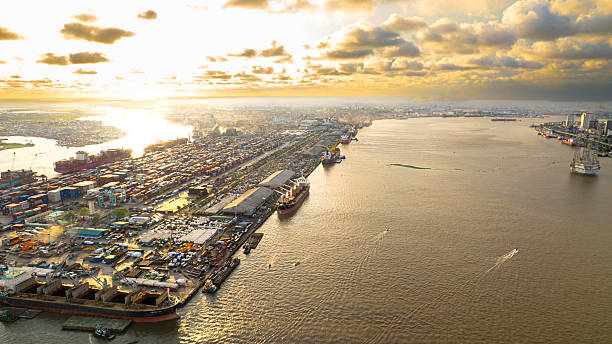
Sea cargo is still the backbone of import and export in Nigeria. Whether it is containers of electronics, raw materials for factories, or bulk goods for distribution, most large shipments enter the country through the sea—and everything that follows depends on how well that process is managed.
In Nigeria, sea cargo operations are heavily centered around major ports like Apapa Port Complex and Tin Can Island Port, where thousands of containers arrive weekly and begin their journey into the local market.
Understanding how sea cargo services work is important if you want to avoid delays, hidden costs, or goods getting stuck at the port.
What Sea Cargo Services Actually Mean
Sea cargo services involve transporting goods internationally using shipping vessels and then managing everything from arrival at the port to final delivery.
In practical terms, it includes:
- International freight booking (FCL or LCL shipments)
- Container loading and shipping coordination
- Port arrival handling and documentation
- Customs clearance support
- Container release and terminal processing
- Trucking and inland delivery across Nigeria
- Optional warehouse or final destination delivery
It is not just shipping—it is full logistics management from overseas to final point.
Why Sea Cargo Is the Most Common Shipping Method in Nigeria
Sea freight remains the preferred option because:
- It handles large and heavy shipments efficiently
- It is more cost-effective than air freight for bulk goods
- It supports industrial-scale imports and exports
- It allows containerized shipping for safer handling
- It is suitable for long-distance international trade
Most commercial imports into Nigeria come through sea cargo due to volume and cost advantages.
What Happens When Cargo Arrives in Nigeria
Once a shipment arrives at Nigerian waters, it is discharged at ports such as:
- Apapa Port Complex
- Tin Can Island Port
The process typically includes:
- Vessel offloading and container discharge
- Documentation verification by customs
- Duty assessment and clearance processing
- Container release approval
- Assignment of trucks for pickup
- Inland transportation to warehouse or destination
Delays at any stage can affect the entire supply chain.
Real Challenges in Sea Cargo Operations in Nigeria
Sea cargo in Nigeria is reliable, but the system comes with real operational challenges:
- Port congestion and vessel delays
- High demurrage and storage charges
- Customs clearance delays due to documentation issues
- Truck shortages during peak import seasons
- Traffic congestion around port access roads
- Unpredictable release timelines
These challenges make coordination just as important as shipping itself.
Types of Sea Cargo Shipping Options
Most sea cargo services fall into two main categories:
Full Container Load (FCL)
- Entire container reserved for one importer
- More secure and faster clearance process
- Ideal for large shipments
Less than Container Load (LCL)
- Multiple shipments share one container
- More affordable for smaller cargo
- Slightly longer processing time
Choosing the right option depends on cargo size and urgency.
Why Clearance Matters More Than Shipping
Many importers assume shipping ends when goods arrive in Nigeria, but the real work begins at the port.
Clearance involves:
- Customs documentation submission
- Duty calculation and payment
- Inspection (if required)
- Container release approval
Without proper clearance, cargo cannot move out of the port.
Inland Movement After Sea Cargo Arrival
After clearance, goods must still be moved across Nigeria using inland logistics.
Common destinations include:
- Lagos mainland warehouses
- Industrial areas in Ogun and Ibadan
- Abuja distribution hubs
- Northern commercial centers like Kano
- Eastern trade routes like Onitsha and Enugu
This stage is where timing and truck availability become critical.
Common Mistakes Importers Make
Many cargo delays come from avoidable mistakes such as:
- Late documentation submission
- Not booking trucks before container release
- Ignoring demurrage timelines
- Poor coordination between clearing agents and transporters
- Underestimating port congestion
These issues often cost more than the shipping itself.
Who Uses Sea Cargo Services in Nigeria
Sea freight is essential for:
- Importers and wholesalers
- Manufacturing companies
- Retail distribution businesses
- Construction and engineering firms
- Oil and gas suppliers
- Agricultural exporters and traders
Any large-scale goods movement depends on sea cargo logistics.
How Travo.ng Supports Sea Cargo Services in Nigeria
Travo.ng provides structured sea cargo logistics support designed to simplify shipping from international arrival to final delivery within Nigeria.
Support typically includes:
- Coordination of shipments through Apapa and Tin Can ports Apapa Port Complex and Tin Can Island Port
- Customs clearance and documentation support
- Container release and port handling coordination
- Truck and inland haulage arrangement
- Real-time shipment tracking and updates
- Delivery to warehouses or business locations
- Backup planning for port delays or congestion
The focus is on making sea cargo movement predictable, coordinated, and stress-free from arrival to final destination.
For businesses in Nigeria, this means fewer delays, better cost control, and smoother supply chain operations.
