


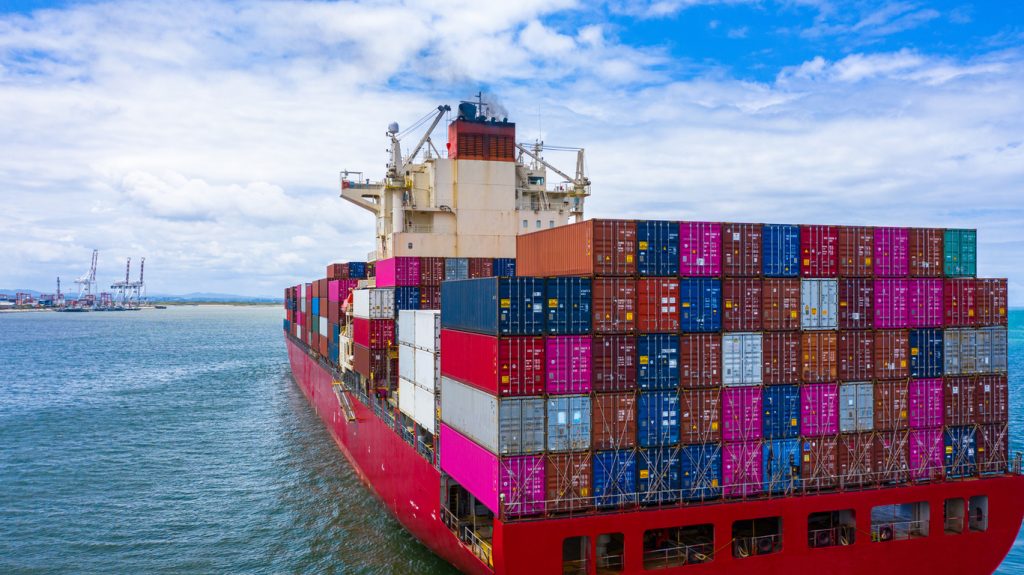
Ocean cargo shipping Nigeria is one of the most practical ways to move large goods, commercial stock, machinery, household items, and bulk consignments into or out of the country. But anyone who has handled cargo through Nigerian ports knows it is not just about putting items on a vessel.
You have to think about documentation, port delays, clearing timelines, cargo handling, inland delivery, and the real cost of moving goods from the port to the final destination.
For many importers, exporters, SMEs, relocation customers, and corporate buyers, the stressful part is not only the sea freight itself. It is everything that happens before and after the cargo arrives.
That is where working with a locally experienced logistics partner like Travo.ng becomes useful.
What Ocean Cargo Shipping Usually Involves in Nigeria
Most ocean freight movements into Nigeria pass through major ports such as Apapa Port, Tin Can Island Port, Onne Port, and Port Harcourt Port. The right port often depends on where the goods are coming from, the type of cargo, and where the final delivery will happen.
A business importing equipment for a project in Lagos may prefer Apapa or Tin Can because inland transport is shorter. But a company moving oil and gas materials to Rivers State may find Onne or Port Harcourt more practical.
Ocean cargo shipping may involve:
- Full container load shipping for large consignments
- Less than container load shipping for smaller goods
- Vehicle import logistics
- Bulk cargo movement
- Commercial stock importation
- Household relocation cargo
- Export shipment coordination
The best option depends on cargo size, urgency, budget, and how much handling the goods can safely tolerate.
What It Can Cost to Ship Cargo by Sea
Ocean freight pricing in Nigeria changes often because it depends on vessel availability, exchange rates, port charges, cargo type, documentation, customs duties, clearing costs, and inland delivery.
For example, sending a few cartons as shared cargo will not cost the same as bringing in a 20ft or 40ft container. A small business importing fashion items, spare parts, or electronics may use consolidated shipping to reduce cost. A manufacturer bringing in machinery or raw materials may need dedicated container handling.
Beyond the shipping fee, customers should also budget for:
- Documentation and processing
- Customs duty where applicable
- Terminal handling charges
- Clearing and port-related charges
- Trucking from the port
- Warehousing if pickup is delayed
- Insurance for valuable cargo
A common mistake is focusing only on the sea freight quote and ignoring destination charges in Nigeria. That is usually where unexpected costs begin.
Common Delays People Face at Nigerian Ports
Shipping by sea is usually cheaper than air freight for heavy goods, but it requires patience and proper planning. Cargo can arrive in Nigeria and still spend days or weeks moving through port processes if documents are incomplete or clearing is not properly coordinated.
Some common causes of delay include:
- Incorrect consignee details
- Incomplete invoices or packing lists
- Customs classification issues
- Unpaid charges
- Port congestion
- Poor communication between shipper, clearing agent, and receiver
- Lack of truck availability for final delivery
This is why experienced coordination matters. Travo.ng helps customers plan cargo movement with practical attention to documentation, delivery timing, and local logistics realities.
Moving Cargo From the Port to the Final Address
Ocean cargo shipping Nigeria does not end at the port. For many customers, the real challenge is getting the goods safely from Apapa, Tin Can, Onne, or Port Harcourt to a warehouse, shop, office, construction site, or home.
For example, a Lagos importer may need goods moved from Tin Can to Ikeja, Lekki, Alaba, Trade Fair, or Ogun State. Another customer may need cargo transported from Lagos to Abuja, Kano, Enugu, Benin, or Port Harcourt.
This final delivery stage needs proper vehicle selection. Some cargo may require a small truck, while containerized goods may need a flatbed or heavy-duty truck. Fragile items, electronics, furniture, and machinery also need better handling to avoid damage.
Through Travo.ng, customers can arrange cargo logistics, transport coordination, courier support, and delivery services depending on the shipment size and destination.
How Businesses Can Plan Better for Sea Freight
Businesses that depend on imported stock should avoid waiting until goods arrive before thinking about clearing and delivery. Planning early helps reduce storage charges, missed sales windows, and customer disappointment.
A practical shipping plan should include:
- Confirm cargo size, weight, and packaging before shipment
- Choose the right Nigerian port based on final destination
- Prepare documents before vessel arrival
- Estimate clearing and local delivery costs early
- Decide whether warehousing is needed
- Arrange inland transport before cargo is released
- Keep customers or internal teams updated on timelines
For seasonal businesses, this is even more important. Importers bringing goods for Christmas sales, school resumption, Ramadan, Easter, or end-of-year corporate supply should ship early because demand for clearing, trucks, and warehousing usually rises during peak periods.
When Ocean Shipping Makes More Sense Than Air Freight
Sea cargo is usually better when the goods are heavy, bulky, or not urgently needed. It works well for furniture, equipment, building materials, vehicles, stock for resale, industrial supplies, and relocation items.
Air freight is faster, but the cost can be too high for large shipments. Ocean cargo gives businesses more room to manage cost, especially when they can plan ahead.
For urgent documents, small parcels, airport pickup, or same-day delivery within Nigerian cities, Travo.ng’s courier and delivery services may be more suitable. But for large international cargo movement, sea freight coordination is often the smarter option.
Booking Ocean Cargo Support With Travo.ng
The easiest way to handle ocean cargo shipping Nigeria is to work with a team that understands both the international movement and the Nigerian side of logistics.
Travo.ng supports customers with practical cargo coordination, delivery planning, transport arrangements, relocation logistics, and business logistics support. Whether you are importing commercial stock, moving household goods, arranging port-to-door delivery, or planning regular cargo movement for your business, the goal is to make the process clearer and less stressful.
Good cargo shipping is not only about getting goods into Nigeria. It is about getting them to the right place, safely, with fewer surprises along the way.
