


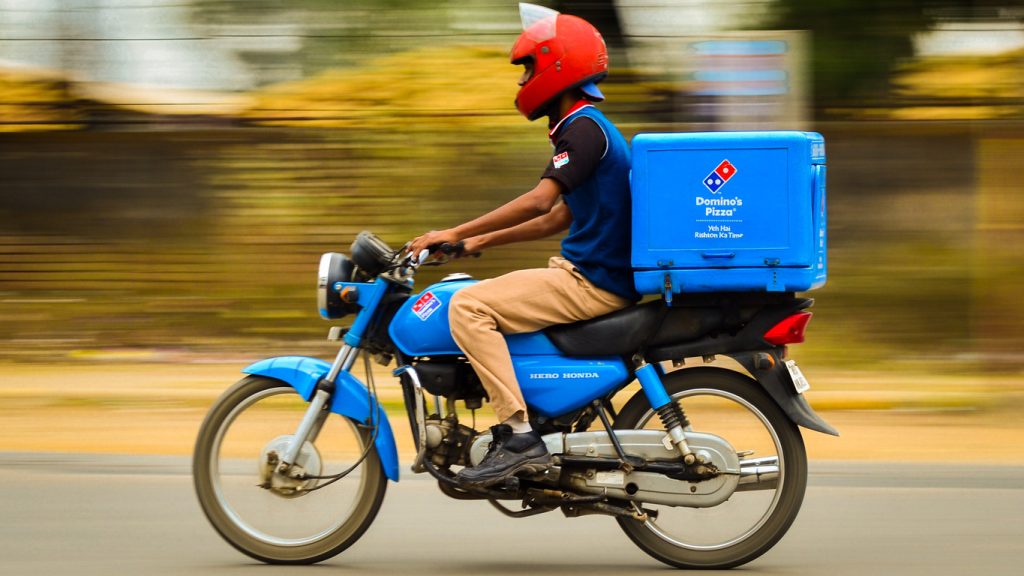
Finding riders in Nigeria is not the hard part. Finding riders who are verified, trained, reachable, disciplined, and ready to represent your business properly is where many companies struggle.
A good rider onboarding service Nigeria businesses can trust should go beyond collecting names and phone numbers. It should help you identify dependable riders, check basic documents, explain delivery expectations, and prepare them for real operating conditions on Nigerian roads.
For restaurants, pharmacies, online stores, dispatch companies, supermarkets, laundry businesses, and corporate logistics teams, poor rider onboarding can quickly lead to failed deliveries, missing parcels, customer complaints, and unnecessary replacement costs.
That is why Travo.ng supports businesses with practical logistics coordination, delivery services, courier support, and rider-related operations that fit the Nigerian market.
What Rider Onboarding Really Involves in Nigeria
Rider onboarding is not just “bring your bike and start work.” In a busy city like Lagos, Abuja, Port Harcourt, Ibadan, or Benin, a rider needs to understand timing, routes, customer handling, parcel safety, and communication.
A proper onboarding process usually covers:
- Rider identity verification
- Valid rider contact details
- Motorcycle or dispatch bike checks
- Delivery area assignment
- Customer service expectations
- Cash handling rules where applicable
- App, phone, or WhatsApp reporting process
- Parcel pickup and drop-off procedure
- Basic safety and road discipline
For example, a rider covering Lekki, Victoria Island, and Ikoyi must understand that delivery timing can change heavily between morning rush, school closing hours, and evening traffic. A rider handling Abuja routes like Wuse, Gwarinpa, Maitama, and Asokoro may face a different pattern, with wider roads but stricter estate access rules.
Why Many Businesses Lose Money From Poor Rider Setup
Many small and growing businesses rush rider recruitment because orders are piling up. The rider starts immediately, but nobody explains delivery standards clearly.
Common problems include:
- Riders switching off phones during delivery
- Poor handling of fragile parcels
- Late pickup from stores or warehouses
- Wrong delivery fee collection
- No proper route planning
- Unclear reporting after delivery
- Arguments with customers at drop-off
For a food business, one careless rider can damage customer trust in a single afternoon. For an e-commerce seller, a missed delivery in Ajah, Surulere, Yaba, or Ikeja can mean refund requests and angry WhatsApp messages. For pharmacies and document delivery services, rider reliability is even more sensitive.
This is why structured onboarding matters.
What Businesses Should Check Before Deploying Riders
Before a rider begins work, there are practical details that should be confirmed. These checks may look simple, but they reduce avoidable issues later.
Important checks include:
- Confirm the rider’s full name and active phone number
- Verify a valid form of identification
- Check the bike condition and plate details where necessary
- Confirm knowledge of key delivery areas
- Explain pickup, delivery, and return procedures
- Set clear rules for failed deliveries
- Agree on payment structure or daily expectations
- Test communication before assigning live orders
A rider who cannot properly describe routes around his assigned area may struggle during peak delivery hours. For instance, someone claiming to cover Mainland Lagos should be comfortable with places like Yaba, Surulere, Ikeja, Maryland, Gbagada, and Oshodi.
How Travo.ng Supports Rider Onboarding and Delivery Operations
Travo.ng helps businesses approach rider onboarding with a more organized logistics mindset. Instead of leaving delivery operations to chance, companies can work with Travo.ng for courier services, delivery coordination, cargo logistics, business logistics support, and transport-related planning.
Depending on the business need, Travo.ng can support with:
- Rider and delivery coordination
- Same-day delivery planning
- Interstate cargo movement
- Courier service support
- Business logistics arrangements
- Transport and mobility coordination
- Pickup and dispatch planning
For a growing online store, this can mean smoother parcel movement from Lagos to customers within the city. For a company sending items from Lagos to Abuja, it can mean better coordination between pickup, cargo movement, and final delivery. For restaurants and retail outlets, it can help reduce the confusion that comes from managing riders without a proper process.
Practical Cost Expectations for Rider and Delivery Support
Costs can vary depending on the city, delivery volume, distance, urgency, rider availability, and whether the business needs full-time rider support or delivery-by-order service.
For example:
- Short local deliveries within parts of Lagos may be priced differently from cross-city movements
- Same-day deliveries usually cost more than scheduled next-day dispatch
- Bulk business deliveries may be easier to plan than scattered one-off orders
- Interstate cargo from Lagos to Abuja, Port Harcourt, or Ibadan depends on weight, size, handling needs, and delivery urgency
The best approach is to speak with a logistics provider that understands your routes and order pattern before committing to a rider structure.
Mistakes to Avoid When Onboarding Riders
Businesses often make the same mistakes when trying to build delivery teams quickly.
Avoid these:
- Hiring riders without confirming identity
- Giving parcels without a tracking or reporting process
- Assuming all riders know every route
- Not explaining customer service expectations
- Paying without linking performance to delivery quality
- Ignoring failed delivery records
- Assigning fragile or high-value parcels without clear handling rules
A rider may know how to move around town, but business delivery requires more discipline than casual errands.
When Your Business Should Use a Rider Onboarding Service
You should consider a structured rider onboarding service if your business is receiving regular orders, expanding into new locations, struggling with late deliveries, or spending too much time replacing unreliable riders.
It is also useful for businesses launching delivery operations in cities like Lagos, Abuja, Ibadan, Port Harcourt, Abeokuta, Enugu, and Benin, where local route knowledge and rider discipline can affect customer satisfaction.
With Travo.ng, businesses can get practical support for rider onboarding, courier services, delivery planning, transport coordination, and wider logistics needs across Nigeria.
The goal is simple: help your goods, parcels, staff, and customers move with less stress and better control.
