


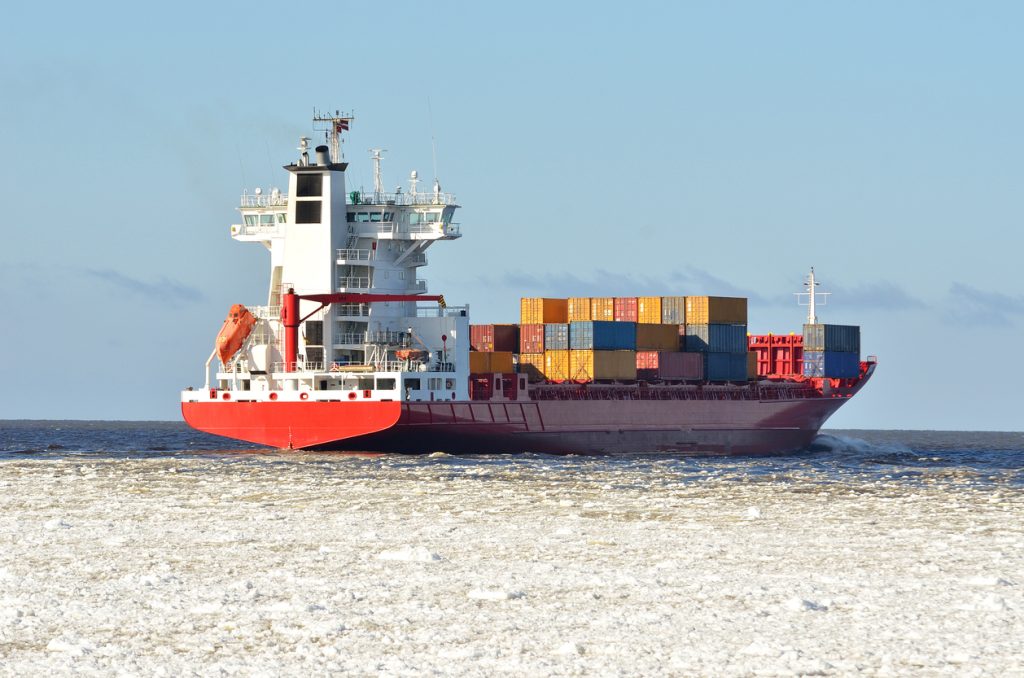
If you’re looking for oil and gas equipment shipping in Naira, you’re dealing with one of the most sensitive and high-value logistics needs in Nigeria—moving heavy, specialized, and often oversized equipment used in the oil, gas, and energy sector, without relying on dollar payments or FX sourcing.
This is common for companies operating in Lagos, Port Harcourt, Warri, and offshore oil field supply chains, where equipment often comes from the USA, Europe, China, or the Middle East.
What Oil and Gas Equipment Shipping Actually Means
Oil and gas equipment shipping involves transporting industrial-grade machinery and tools such as:
- Drilling equipment and rigs
- Pipes, valves, and fittings
- Generators and turbines
- Pumps and compressors
- Offshore platform components
- Heavy-duty industrial tools
In simple terms:
It is specialized logistics for high-value energy and industrial equipment.
Why Oil and Gas Shipping Is More Complex Than Normal Cargo
Unlike regular imports, oil and gas equipment shipping requires:
- Heavy lift or breakbulk shipping methods
- Special handling equipment at ports
- Strict safety and compliance checks
- Engineering-based packing and securing
- Detailed customs classification (HS codes)
Because of the size and value, mistakes can be extremely costly.
Why Costs Are Usually FX-Based
Traditionally, oil and gas logistics is priced in:
- USD (global energy logistics standard)
- Sometimes EUR depending on supplier country
This is because:
- Equipment is sourced internationally
- Freight involves specialized vessels or air cargo
- Insurance is calculated on high-value goods
- Global energy logistics is dollar-based
So companies often plan in foreign currency before shipment.
The Real Problem Nigerian Energy Companies Face
Oil and gas logistics becomes difficult when:
- Equipment costs are high and FX exposure is large
- Payment delays affect project timelines
- Exchange rate fluctuations increase project budgets
- Multiple vendors issue separate invoices
- Import clearance is slow due to documentation complexity
For project-based industries, delays can stop operations entirely.
What “Oil and Gas Equipment Shipping in Naira” Means
When this service is billed in Naira, it means:
- All shipping and logistics costs are converted locally
- You receive a consolidated Naira invoice
- Payment is made via Nigerian bank transfer
- FX handling is managed by the logistics provider
- Equipment moves without foreign payment delays
In simple terms:
You manage industrial imports in Nigeria without dealing directly with dollars.
How It Works in Practice
The process usually follows:
- Equipment details and specifications are submitted
- Shipping method is determined (air, sea, or breakbulk)
- Freight and handling costs are calculated
- Total cost is converted into Naira
- Local invoice is issued
- Payment is made in Nigeria
- Equipment is shipped and delivered
Example: Importing Oil Pipeline Equipment From Europe
Traditional method:
- Invoice issued in USD/EUR
- FX sourcing delays procurement
- Project timelines are affected
Naira billing method:
- Full logistics cost quoted in Naira
- Local payment via bank transfer
- Shipment processed immediately
- Equipment delivered for installation
What This Type of Shipping Includes
Oil and gas logistics often covers:
- Heavy lift cargo handling
- Breakbulk and project cargo shipping
- Customs clearance and documentation
- Port handling and storage coordination
- International freight (sea or air)
- Door-to-site delivery for industrial projects
Why Companies Prefer Naira Billing for Industrial Cargo
For oil and gas operators, Naira payment helps with:
- Predictable project budgeting
- No FX volatility risk
- Faster procurement and deployment
- Easier financial reporting
- Better control over project timelines
This is especially important for EPC contractors and oil servicing companies.
Common Mistakes in Oil & Gas Logistics
Avoid these issues:
- Poor cargo packaging for heavy equipment
- Incorrect HS code classification
- Not arranging heavy-lift equipment in advance
- Ignoring insurance for high-value cargo
- Delays in documentation and permits
How Travo.ng Helps With Oil and Gas Equipment Shipping in Naira
With Travo.ng, industrial clients can manage oil and gas equipment shipping in Naira through structured logistics support.
This includes:
- Heavy cargo and project shipment handling
- Sea and air freight coordination
- Customs clearing and documentation support
- Breakbulk and containerized shipping
- Door-to-site delivery across Nigeria
Process:
- Equipment details submitted
- Logistics plan and Naira quote provided
- Local payment made
- Cargo shipped and delivered to site
Final Insight
Oil and gas equipment shipping is one of the most complex logistics operations in Nigeria—but paying in Naira makes it far more manageable for businesses and contractors.
Instead of dealing with FX volatility and fragmented international invoices, companies get clear pricing, local payment, and smoother project execution.
For the energy and industrial sector, this improves speed, planning, and overall operational efficiency.
