


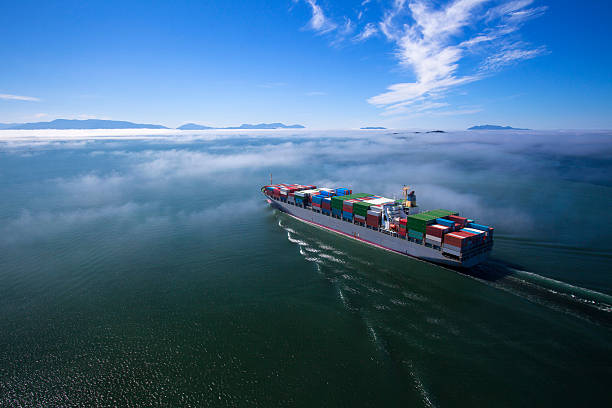
For Nigerian importers and exporters moving goods across international waters, ocean freight is the core cost of global shipping. Whether you are shipping containers, bulk cargo, or commercial goods, ocean freight determines how much it costs to move your shipment from Nigeria to overseas destinations.
Traditionally, ocean freight invoices are issued in foreign currency, which often creates delays for businesses trying to access dollars. Today, however, many logistics providers now offer ocean freight payment in Naira, making international shipping more accessible and predictable.
What Ocean Freight Actually Means
Ocean freight refers to the transportation of goods by sea using cargo vessels. It covers movement between ports globally, including shipments from Nigerian ports such as:
- Apapa Port, Lagos
- Tin Can Island Port, Lagos
- Onne Port, Rivers State
Ocean freight is used for:
- Container shipments (FCL and LCL)
- Bulk cargo movement
- Export goods
- Vehicle shipments (RORO)
- Industrial and commercial freight
It is the most widely used method for large-scale international trade.
Why Ocean Freight Is Usually Priced in Foreign Currency
Ocean freight is part of a global shipping system, so pricing is based on:
- US Dollars (USD)
- Shipping line tariffs
- Fuel surcharges (bunker adjustment factors)
- Port handling charges
- International vessel operating costs
Because shipping lines operate across multiple countries, rates are standardized in foreign currency rather than local currencies.
The Real Challenge for Nigerian Businesses
For many importers and exporters, the problem is not shipping — it is payment.
Common challenges include:
- Difficulty sourcing dollars
- High exchange rate fluctuations
- Delays funding domiciliary accounts
- Shipment delays due to unpaid invoices
- Uncertainty in final landed cost
These issues can disrupt supply chains and business planning.
How Ocean Freight With Naira Payment Works
Many logistics providers now simplify the process by converting ocean freight costs into Naira.
The process typically works like this:
- Shipment details are provided (cargo type, destination, volume)
- Ocean freight cost is calculated (container or bulk shipment)
- Total cost is converted into Naira using current exchange rate
- Customer receives a local invoice
- Payment is made via Nigerian bank transfer
- Shipment is booked and processed for departure
This removes the need for direct FX transactions.
Example: Nigeria to Europe Container Shipment
A Lagos-based importer wants to ship goods to the UK.
Traditional process:
- Receive USD ocean freight invoice
- Source foreign currency
- Delay booking due to FX availability
Modern Naira-payment process:
- Receive full ocean freight quote in Naira
- Pay locally via bank transfer
- Container is booked immediately
- Shipment proceeds without FX delays
This improves speed and business efficiency.
What Ocean Freight Is Commonly Used For
Ocean freight is ideal for:
- Container shipping (20ft and 40ft)
- Bulk cargo exports
- Industrial machinery
- Agricultural products
- Vehicle shipping (RORO)
- Commercial goods and inventory
- Large-scale import/export operations
It is the most cost-effective option for heavy and high-volume cargo.
Why Businesses Prefer Paying Ocean Freight in Naira
Naira-based payment helps businesses with:
- Easier financial planning
- Faster shipment approval
- Reduced FX exposure
- Better cash flow control
- Simplified accounting processes
For companies involved in international trade, stability is extremely important.
Common Mistakes That Increase Ocean Freight Costs
Many importers face higher costs due to avoidable issues such as:
- Delaying payment and missing vessel schedules
- Ignoring demurrage and port storage deadlines
- Not confirming full shipping breakdown upfront
- Using unreliable freight agents
- Underestimating total landed cost
Proper planning is essential to avoid unnecessary expenses.
How Travo.ng Supports Ocean Freight in Naira
With Travo.ng, businesses and individuals in Nigeria can access ocean freight services and pay locally in Naira.
This supports:
- Container shipping (FCL and LCL)
- Export and import logistics
- Bulk cargo movement
- Vehicle and industrial shipping coordination
- Door-to-door freight solutions
The process is simple:
- Request ocean freight quotation
- Receive pricing in Naira
- Pay through Nigerian bank transfer
- Shipment is processed and shipped
This is especially useful for importers, exporters, and SMEs managing regular international trade.
Important Things to Understand
Even when paying in Naira:
- Ocean freight rates still depend on global shipping markets
- Exchange rates affect quotation validity
- Port charges and customs duties are separate
- Vessel availability impacts shipping schedules
Local payment improves accessibility but does not remove international shipping rules.
Final Insight
Ocean freight with Naira payment is making international trade more accessible for Nigerian businesses.
Instead of dealing with FX delays and foreign currency invoices, importers and exporters can now pay locally while accessing global shipping networks more efficiently.
For container shipping, bulk cargo, and commercial logistics, this has become one of the most practical solutions for moving goods from Nigeria today.
