


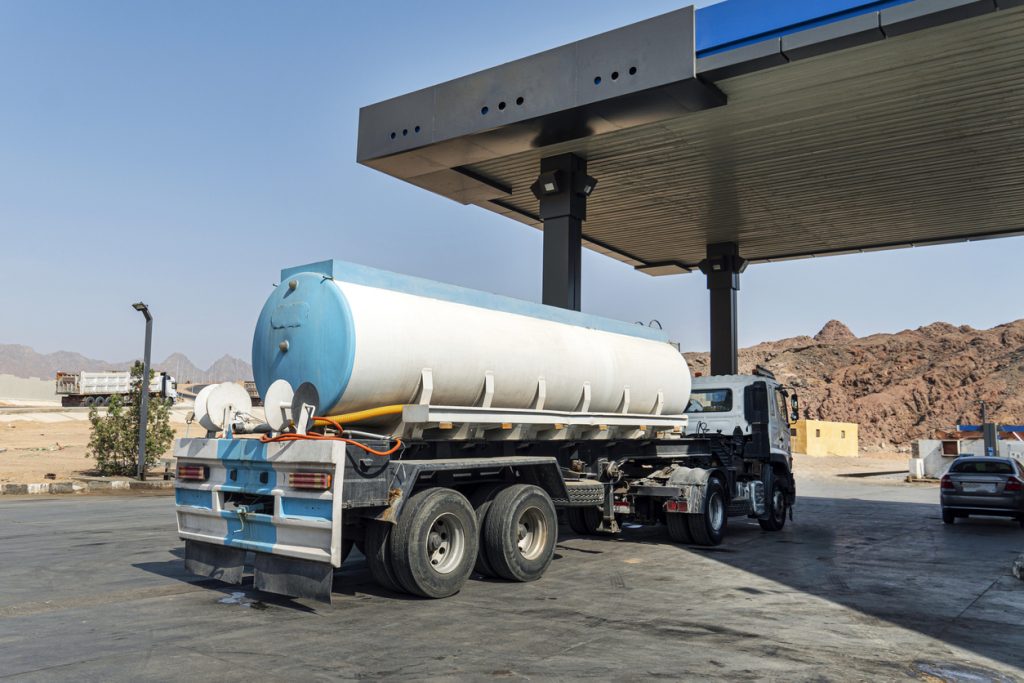
Dangote Refinery’s fuel distribution network is quickly becoming one of the biggest logistics operations in Nigeria’s downstream petroleum sector.
Since the refinery began refining petroleum products commercially, major fuel marketers, transport operators, and logistics companies across Nigeria have moved aggressively to position themselves as distribution partners.
For many businesses, transport operators, filling station owners, and fuel marketers, the real question is no longer whether Dangote Refinery can supply fuel — it is how distribution partnerships will reshape fuel movement across Nigeria.
Because beyond refining, nationwide fuel availability depends heavily on:
- Tanker logistics
- Interstate transport
- Depot operations
- Retail distribution
- Fleet coordination
- Delivery infrastructure
This guide explains how Dangote Refinery fuel distribution partnerships work, the companies already involved, and what businesses should realistically expect as the system expands nationwide.
How Dangote Refinery Fuel Distribution Works
The refinery produces:
- Premium Motor Spirit (PMS)
- Diesel
- Aviation fuel
- Other refined petroleum products
But production alone is not enough.
Products still need to move efficiently from:
- Lekki Free Zone Lagos
to: - Filling stations
- Fuel depots
- Manufacturers
- Telecom companies
- Commercial transport operators
- Interstate markets across Nigeria
That movement depends on a large network of:
- Fuel marketers
- Tanker operators
- Logistics firms
- Distribution partners
The Major Fuel Distribution Partners Already Working With Dangote Refinery
Several major petroleum marketers and retail fuel companies have already partnered with Dangote Refinery to distribute products nationwide.
Existing and publicly referenced partners include:
- MRS
- Ardova Plc (AP)
- Heyden
- Hyde Energy
- Optima Energy
- Techno Oil
Additional fuel marketing companies reportedly added to the network include:
- TotalEnergies
- Garima Petroleum
- Sunbeth Energies
- Sobax Nigeria Limited
- NU Synergy
- Jezco Oil
The goal is to expand nationwide retail access to refinery products through existing filling station and distribution infrastructure.
Why Fuel Distribution Is the Real Challenge
Refining fuel is only part of the equation.
Nigeria’s biggest petroleum challenge has historically involved:
- Transportation costs
- Depot logistics
- Road movement
- Fuel shortages outside major cities
- Distribution bottlenecks
This is why Dangote Refinery has invested heavily in logistics support and transportation infrastructure.
Reports indicate the refinery plans large-scale nationwide distribution using thousands of CNG-powered tanker trucks.
That logistics scale is important because fuel movement across Nigeria is heavily dependent on road haulage.
Lagos Is Now the Centre of Nigeria’s Fuel Logistics Network
The refinery’s location in Lekki has turned Lagos into an even bigger fuel logistics hub.
Every day, transport movement around:
- Lekki-Epe Expressway
- Ajah corridor
- Ibeju-Lekki
- Lekki Free Zone
now involves:
- Tanker loading
- Fleet scheduling
- Cargo coordination
- Industrial transport movement
This has increased demand for:
- Haulage companies
- Tanker operators
- Fleet management services
- Industrial logistics providers
Businesses operating around refinery logistics now pay far more attention to:
- Vehicle reliability
- Delivery timing
- Route planning
- Fuel transport compliance
because delays can quickly affect supply chains.
Interstate Fuel Movement Depends on Tanker Logistics
Once products leave the refinery, nationwide fuel availability depends on transport coordination.
Fuel tankers move products daily toward:
- Abuja
- Kano
- Kaduna
- Port Harcourt
- Ibadan
- Onitsha
- Enugu
These operations involve:
- Multi-state scheduling
- Overnight fleet movement
- Security coordination
- Delivery monitoring
A single delayed tanker can affect:
- Filling station operations
- Commercial transport businesses
- Manufacturing supply chains
This is why logistics efficiency matters heavily in refinery distribution partnerships.
What Filling Station Operators Want From Distribution Partners
Fuel retailers usually prioritise:
- Consistent supply
- Stable pricing
- Faster delivery
- Reliable loading schedules
- Lower logistics costs
Industry reports suggest Dangote Refinery’s distribution expansion aims to improve nationwide fuel accessibility while reducing transportation inefficiencies.
This is especially important for independent filling stations outside Lagos and Abuja, where transport costs traditionally increase pump prices significantly.
How Distribution Partnerships Affect Nigerian Businesses
Fuel pricing affects almost every business sector in Nigeria.
Industries heavily impacted include:
- Logistics
- Transportation
- Manufacturing
- Aviation
- Delivery services
- Telecom operations
- E-commerce
For example:
- Courier companies rely on fuel for daily dispatch operations
- Interstate transport operators depend on stable diesel supply
- Delivery businesses manage rising logistics costs constantly
Businesses coordinating:
- Cargo movement
- Fleet operations
- Interstate delivery
- Corporate transport
therefore watch refinery distribution developments closely.
Platforms like Travo.ng also help businesses manage:
- Logistics coordination
- Vehicle hire
- Delivery scheduling
- Corporate travel
- Airport pickups
- Interstate transport support
especially for companies handling movement operations across Nigeria.
Why Dangote Refinery Is Investing Directly in Logistics
Industry reports indicate the refinery plans nationwide distribution support using:
- Thousands of CNG-powered trucks
- Dedicated tanker fleets
- Expanded logistics infrastructure
This approach aims to:
- Reduce transport costs
- Improve fuel access
- Streamline nationwide supply
- Reduce dependence on fragmented distribution systems
The refinery also stated that logistics support would extend to:
- Marketers
- Manufacturers
- Aviation firms
- Telecom operators
- Other large fuel users
Common Challenges Still Affecting Fuel Distribution
Despite the expansion, several operational realities remain challenging.
Road Infrastructure Pressure
Heavy tanker movement places enormous strain on Nigerian roads.
Traffic Delays Around Lagos
Lekki and Ajah traffic can affect loading and dispatch timing significantly.
Security Risks
Petroleum transport requires strict monitoring and compliance.
Fleet Maintenance Costs
Large tanker fleets remain expensive to maintain.
Supply Coordination
Nationwide distribution requires highly organised scheduling systems.
Fuel Distribution Is Becoming More Structured in Nigeria
Nigeria’s downstream petroleum sector is changing rapidly.
Historically, fuel distribution involved:
- Fragmented logistics
- Unpredictable supply chains
- Multiple middlemen
- High transport costs
But refinery-linked partnerships are pushing the industry toward:
- Better fleet coordination
- Structured nationwide supply
- Modern tracking systems
- More organised logistics planning
This shift affects:
- Filling station operators
- Haulage companies
- Transport businesses
- Delivery operators
- Industrial users
across Nigeria.
Distribution Partnerships Will Shape the Future of Fuel Supply
Dangote Refinery’s distribution network is becoming just as important as the refinery itself.
Because in practice, fuel availability depends not only on refining capacity but also on:
- Logistics coordination
- Tanker operations
- Interstate transport
- Distribution partnerships
- Fleet management
As nationwide rollout continues, companies capable of handling reliable fuel movement, structured logistics, and efficient transport coordination will likely play an increasingly important role in Nigeria’s energy sector.
