


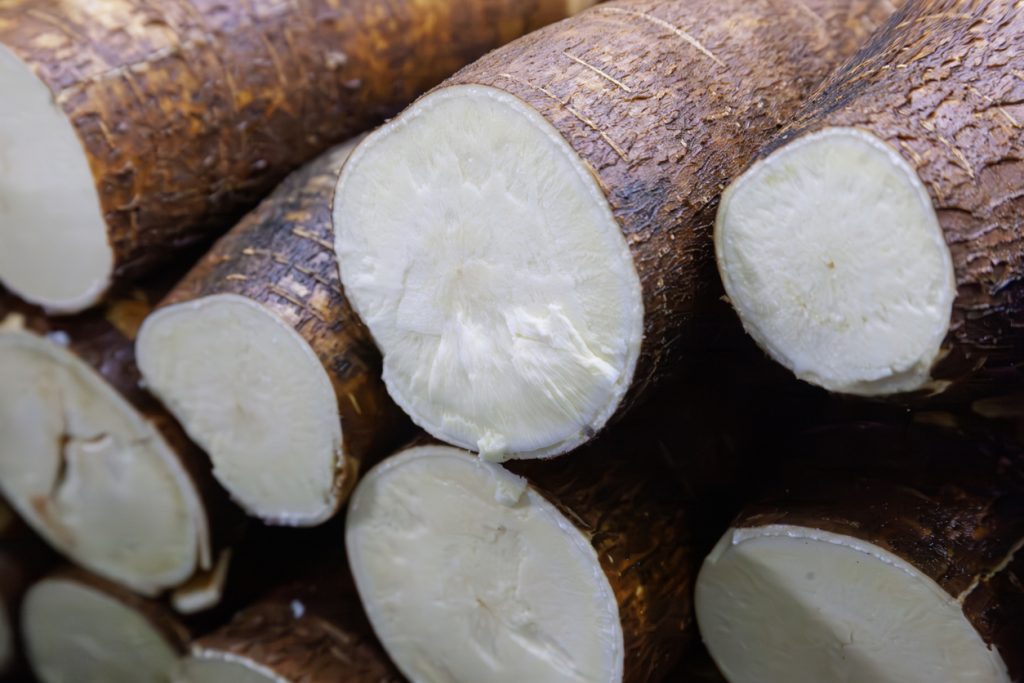
Moving cassava from the farm to the market looks simple until you deal with bad roads, harvest delays, heat, poor packaging, overloaded vehicles, and buyers waiting at the other end. For farmers, traders, processors, and food suppliers, knowing how to transport cassava from farm to market Nigeria can make the difference between making profit and losing bags of produce before arrival.
Cassava is bulky, heavy, and highly perishable once harvested. Unlike dry grains, fresh cassava roots start deteriorating quickly if they are left too long in the sun or transported carelessly. That is why the real work starts before the vehicle even arrives at the farm.
Plan the Movement Before Harvesting
One common mistake farmers make is harvesting cassava before confirming transport. This is risky, especially in rural communities where vehicles may not be immediately available.
Fresh cassava should ideally move within 24 to 48 hours after harvesting. In hot areas or during dry season, faster movement is better.
Before harvesting, confirm:
- The quantity to be moved
- The pickup point and road condition
- The nearest accessible loading area
- The market or processing destination
- Whether you need a pickup van, mini truck, or larger cargo vehicle
- Labour for loading and offloading
For example, moving cassava from a farm settlement in Ogun State to Mile 12 Market in Lagos requires different planning from transporting cassava from Benue to Abuja or from Oyo to a garri processing centre in Ibadan.
Choose the Right Vehicle for Cassava Transport
Cassava is heavy, so vehicle choice matters. A small vehicle may look cheaper at first, but overloading can lead to breakdowns, road delays, or extra trips.
For small quantities, a pickup van or small truck may work. For larger farm harvests, a medium-duty truck is usually better. If the cassava is going to a processing factory, the buyer may require a specific delivery time, so using an unreliable vehicle can affect the entire supply chain.
Typical options include:
- Pickup van for small farm loads
- Mini truck for local market supply
- Medium truck for interstate movement
- Covered truck when protection from rain is needed
Travo.ng can help coordinate cargo logistics and transport arrangements for farmers, traders, food vendors, and businesses that need cassava or other farm produce moved safely from rural pickup points to urban markets or processing locations.
Protect the Cassava During Loading
Fresh cassava roots bruise easily when thrown roughly into a vehicle. Once the skin breaks, deterioration starts faster. This is one reason some traders complain that cassava arrived “soft” or with too much waste.
During loading:
- Avoid throwing cassava from a height
- Remove excess soil, but do not wash if the journey is long
- Use sacks, baskets, or layered stacking where practical
- Do not mix cassava with sharp tools, metal scraps, chemicals, or fuel containers
- Avoid leaving loaded cassava under direct sun for hours
For short trips from farm to local markets, open vehicles may be manageable. For longer routes, especially during rainy season, covering the load with tarpaulin helps reduce exposure.
Understand Timing on Nigerian Roads
In Nigeria, transport timing is not only about distance. Road condition, traffic, checkpoints, market opening hours, and weather all affect delivery.
A farm-to-market trip that should take three hours can become six hours if the access road is muddy or the vehicle leaves too late. Lagos-bound produce from Ogun, Oyo, or Ondo also needs proper timing because entering major markets during peak traffic can waste fuel and delay offloading.
For better results:
- Load early in the morning where possible
- Avoid late evening departures on unfamiliar rural roads
- Check market receiving hours before dispatch
- Plan extra time during rainy season
- Use drivers who understand farm access roads and market delivery points
This is where using an experienced logistics coordinator helps. Travo.ng supports delivery services, cargo logistics, and transport coordination for customers who need more than just “any available vehicle.”
What Cassava Transport May Cost in Nigeria
The cost of transporting cassava depends on distance, quantity, vehicle size, road condition, loading labour, fuel price, and whether the trip is local or interstate.
A short farm-to-town movement may cost less than a full interstate delivery, while a difficult rural pickup may attract extra charges because of bad roads or loading delays.
For example:
- Moving small cassava loads within a town may require a pickup or mini truck
- Supplying a Lagos market from nearby Ogun communities may cost more during heavy traffic periods
- Interstate movement from Benue, Kogi, Oyo, or Ondo to major city markets may require advance truck booking
Instead of guessing, it is better to request a proper quote based on pickup location, destination, estimated tonnage, and delivery urgency.
Mistakes to Avoid When Moving Cassava
Many losses happen because of small planning errors. Avoid these common mistakes:
- Harvesting before confirming transport
- Overloading weak vehicles
- Leaving cassava exposed to sun for too long
- Using drivers who do not know the route
- Failing to confirm the buyer’s delivery time
- Not arranging loading and offloading labour
- Choosing the cheapest option without checking reliability
Cheap transport becomes expensive when goods arrive late, damaged, or rejected.
When to Use a Logistics Service Instead of Arranging It Yourself
If you are moving cassava once from a nearby farm to a local market, you may handle it yourself. But if you supply regularly, move large quantities, deliver to processors, or transport across states, working with a logistics partner saves stress.
Travo.ng can assist with cargo logistics, delivery coordination, vehicle hire, relocation-style movement for bulk goods, and business logistics support across Nigeria. This is useful for farmers, aggregators, restaurant suppliers, food processors, and market traders who need dependable movement without chasing vehicles every market day.
Getting Cassava to Market Without Losing Value
The best way to transport cassava from farm to market in Nigeria is to plan early, harvest at the right time, choose the right vehicle, protect the roots, and work with transport providers who understand local routes.
Cassava profit is not made only on the farm. It is also protected on the road.
For farmers, traders, and businesses that need reliable farm produce movement, Travo.ng provides practical logistics support to help move cassava and other goods from pickup point to destination with less stress.
