


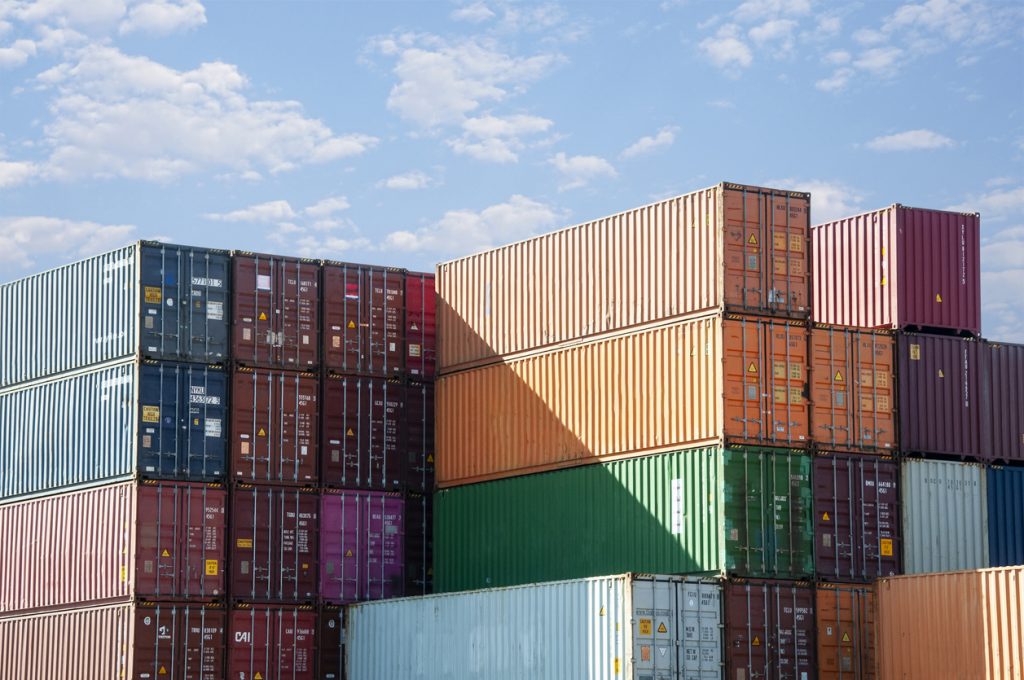
Moving a 40ft container in Nigeria is not the same as sending a regular parcel or hiring a small delivery van. It involves port access, truck availability, route planning, documentation, loading timelines, driver coordination, and sometimes unexpected delays from traffic, checkpoints, or depot congestion.
For importers, manufacturers, distributors, construction companies, and traders, one wrong trucking arrangement can lead to extra demurrage, missed delivery windows, damaged goods, or frustrated customers.
That is why reliable 40ft container trucking in Nigeria needs more than just “finding a truck.” It requires proper coordination from pickup to final delivery. Travo.ng helps businesses arrange container movement, cargo logistics, and transport support across major Nigerian routes with practical local understanding.
What 40ft Container Trucking Usually Involves
A 40ft container is commonly used for bulk cargo, imported goods, machinery, raw materials, furniture, industrial equipment, supermarket stock, and export shipments.
In Nigeria, these containers often move from places like:
Lagos ports to warehouses in Ogun, Oyo, Abuja, Kano, Kaduna, Onitsha, Aba, or Port Harcourt
Industrial estates in Agbara, Ikeja, Apapa, Ogba, Ilupeju, and Mowe
Bonded terminals and inland container depots
Factory locations to distribution hubs
Export loading points back to the port
The process usually includes assigning the right truck head, confirming the flatbed or skeletal trailer condition, checking container size and weight, coordinating with the loading team, and ensuring the driver understands the route and delivery instructions.
Why Container Trucking Can Get Complicated in Nigeria
Many delays happen before the truck even starts moving.
For example, moving a container out of Apapa or Tin Can may be affected by port traffic, terminal queues, documentation delays, or truck call-up arrangements. A business expecting same-day dispatch may end up waiting longer if the truck is not properly scheduled.
On interstate routes, other issues can come up:
Poor road conditions on some corridors
Traffic around Lagos exits such as Mile 2, Berger, Ijora, and Oshodi
Delays at checkpoints
Night travel restrictions in some areas
Limited access roads near warehouses or markets
Offloading delays when forklifts or labour are not ready
This is where experienced coordination matters. Travo.ng supports businesses by helping them plan realistic movement timelines instead of making promises that do not match Nigerian road conditions.
Common Routes for 40ft Container Movement
Some of the most requested container trucking routes in Nigeria include:
Lagos to Abuja for retail goods, office equipment, and project materials
Lagos to Kano for wholesale and industrial distribution
Lagos to Onitsha or Aba for market-bound goods
Lagos to Port Harcourt for oil, gas, construction, and commercial cargo
Ogun industrial areas to Lagos ports for export or local distribution
Lagos to Ibadan for warehouse transfers and bulk supply deliveries
A Lagos to Abuja container movement may take about one to three days depending on truck readiness, cargo weight, road conditions, and loading/offloading speed. Lagos to Kano may take longer, especially when carrying heavy cargo or moving during peak logistics periods.
What Affects the Cost of 40ft Container Trucking in Nigeria
Pricing is not fixed because several things affect the final rate. These include:
Distance from pickup to delivery point
Cargo weight
Truck type and availability
Port or terminal location
Urgency of movement
Need for return cargo
Road condition on the route
Loading and offloading arrangements
Security requirements
As a rough guide, short-distance container movement within Lagos or nearby Ogun locations may cost less than long-haul interstate trucking. Moving a 40ft container from Lagos to Abuja, Kano, Onitsha, or Port Harcourt will naturally cost more because of fuel, driver allowance, road risk, tolls, and truck turnaround time.
The cheapest truck is not always the safest option. A low rate can become expensive if the truck breaks down, the driver abandons the job, or the container misses its delivery deadline.
Mistakes Businesses Make When Booking Container Trucks
One common mistake is booking a truck before confirming whether the cargo is ready. If the truck arrives and loading is delayed, waiting charges may apply.
Another mistake is failing to confirm container weight. A loaded 40ft container carrying heavy machinery or tiles requires better planning than one carrying light packaging materials.
Businesses also run into trouble when they do not give clear delivery instructions. A driver needs proper contact details, warehouse address, access notes, and offloading expectations. For example, delivering to a market area in Onitsha is different from delivering to a formal warehouse in Abuja.
Travo.ng helps reduce these issues by confirming key details before movement begins.
How Travo.ng Supports 40ft Container Trucking in Nigeria
Travo.ng provides practical logistics support for businesses that need container trucking, cargo movement, and transport coordination across Nigeria.
Depending on the job, support may include:
Arranging suitable trucks for 40ft containers
Coordinating pickup from ports, terminals, warehouses, or factories
Planning interstate cargo movement
Supporting business logistics and bulk delivery needs
Helping with relocation or project cargo transport
Coordinating delivery timelines with drivers and receivers
Providing transport support for companies moving goods regularly
For businesses that also need staff travel, hotel reservations, airport pickups, or vehicle hire around the same project, Travo.ng can help coordinate those services too. For example, a company sending goods to Abuja may also need a hotel booking for its supervisor or airport pickup for a project manager.
When You Should Book Your Truck
For port-related container movement, it is better to plan early. Waiting until the container is already attracting extra charges can put unnecessary pressure on the whole process.
For interstate deliveries, book ahead during busy periods such as festive seasons, end-of-month stock movement, major trade fair periods, or when fuel scarcity affects truck availability.
A good trucking arrangement should answer these questions clearly:
Where is the container now?
What is inside it?
How heavy is the cargo?
Where exactly is it going?
Who will receive it?
Is offloading equipment available?
Is the delivery urgent?
Once these details are clear, Travo.ng can help arrange a more realistic and dependable trucking plan.
Moving a 40ft Container Should Not Be Guesswork
Container trucking affects cash flow, customer commitments, warehouse planning, and business operations. Whether you are moving imported goods from Lagos, supplying distributors in the North, or relocating bulk equipment to another state, the truck arrangement must be handled properly.
With Travo.ng, businesses can book 40ft container trucking in Nigeria with better coordination, clearer communication, and practical support from people who understand local transport realities.
For your next container movement, cargo delivery, or interstate logistics job, Travo.ng can help you plan, schedule, and move your goods with less stress.
