


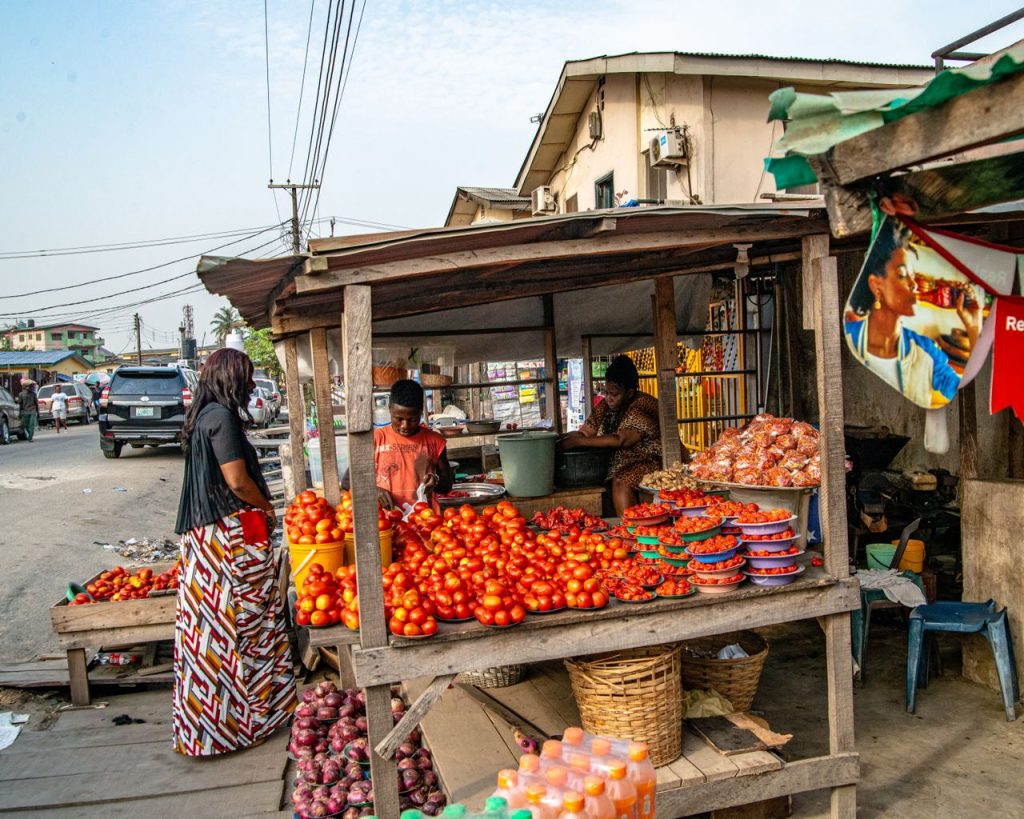
Oyingbo Market food delivery is one of the easiest ways to buy fresh foodstuff from one of Lagos’ busiest traditional markets without entering the crowd, negotiating parking, or carrying heavy bags through traffic. For many homes, restaurants, food vendors, caterers, and small shops, Oyingbo remains a trusted place to buy yam, garri, rice, beans, pepper, vegetables, fish, crayfish, spices, and other daily food items at competitive prices.
The challenge is not usually finding what to buy. The real problem is moving the items safely from the market to places like Yaba, Surulere, Lekki, Victoria Island, Ikeja, Apapa, Ajah, Festac, or even nearby mainland areas. That is where a reliable delivery arrangement becomes important.
With Travo.ng, customers can coordinate market pickup, foodstuff delivery, courier movement, and bulk logistics in a more organised way, especially when the order is too much for a regular dispatch rider.
What People Usually Buy From Oyingbo Market
Oyingbo Market is popular because it serves both household buyers and business customers. Many people go there for food items they want to buy fresh, in small bags, cartons, baskets, or wholesale quantities.
Common delivery requests from Oyingbo include:
Fresh vegetables and pepper: Ugwu, waterleaf, scent leaf, tomatoes, tatashe, rodo, onions, and other ingredients used daily by food vendors and homes.
Dry foodstuff: Garri, rice, beans, yam flour, semovita, elubo, spices, egusi, ogbono, crayfish, stockfish, and dried pepper.
Protein items: Frozen fish, smoked fish, ponmo, meat, chicken parts, and other items that need careful handling.
Bulk market orders: Bags of rice, baskets of tomatoes, cartons of noodles, crates of eggs, and food supplies for restaurants, caterers, and mini-marts.
For small orders, a bike may work. For bigger items, customers may need a car, van, or small truck depending on the quantity and destination.
How Oyingbo Market Delivery Works in Real Life
A good delivery plan starts before the rider or driver reaches the market. Oyingbo can be busy, especially early in the morning, on Saturdays, and during festive periods. If the buyer, vendor, or market contact is not ready, the driver may spend extra time waiting around the market area.
A smoother process usually works like this:
The customer confirms the shopping list or pickup details.
The market seller or buyer packages the items properly.
The driver or dispatch rider receives the pickup contact.
The goods are checked before leaving the market.
Delivery is made directly to the customer’s address.
For perishable foodstuff, timing matters. Vegetables, fish, meat, tomatoes, and pepper should not stay too long in traffic or under direct heat. If the delivery is going from Oyingbo to Lekki, Ajah, or Victoria Island, it is better to schedule pickup before heavy afternoon traffic builds up around Third Mainland Bridge, Eko Bridge, or Apapa Road.
What It May Cost to Deliver Foodstuff From Oyingbo
Delivery cost depends on the size of the order, distance, urgency, vehicle type, and waiting time at the market. A small parcel going from Oyingbo to Yaba or Surulere will usually cost less than a full foodstuff load going to Lekki Phase 1, Ajah, Ikeja, or Festac.
As a practical guide:
Small foodstuff bags may be moved by bike or car.
Medium household shopping may require a car or small van.
Bulk restaurant supplies may need a van or mini truck.
Fragile items like eggs, glass bottles, or tomatoes need better packaging and careful handling.
One mistake many customers make is choosing the cheapest rider without considering the size or nature of the goods. A bike may not be suitable for baskets of tomatoes, frozen items, or multiple heavy bags. Paying for the right vehicle often saves money because it reduces damage, delays, and failed delivery attempts.
Best Time to Arrange Oyingbo Market Food Delivery
Morning pickup is usually better for foodstuff delivery from Oyingbo. Many market sellers are fully active early, fresh items are easier to access, and the delivery can leave before Lagos traffic becomes more difficult.
For restaurants and caterers, it is better to schedule recurring deliveries instead of waiting until stock is finished. For example, a food business in Surulere or Lekki can arrange fixed market runs two or three times a week. This helps with planning, freshness, and cost control.
During festive periods like Christmas, Easter, Ramadan, and New Year, market prices and traffic can change quickly. Customers sending bulk food items should book early and allow extra delivery time.
Mistakes to Avoid When Sending Foodstuff From Oyingbo
The most common delivery issues are usually preventable. Customers should avoid sending vague instructions like “pick the foodstuff at Oyingbo” without giving the seller’s name, phone number, exact meeting point, and item list.
Another mistake is poor packaging. Pepper, tomatoes, vegetables, fish, and dry goods should not be packed carelessly together. Wet items can spoil dry foodstuff, while heavy bags can crush delicate items.
It is also important to confirm who is paying for loading, parking, market movement, or extra handling if the goods are bulky. These small details can delay the delivery if they are not discussed upfront.
How Travo.ng Helps With Oyingbo Market Deliveries
Travo.ng supports customers who need a more reliable way to move foodstuff, groceries, and market supplies across Lagos. Whether you are buying for your home, restaurant, mini-mart, catering job, or office kitchen, Travo.ng can help coordinate the right delivery option based on your order size and destination.
Customers can use Travo.ng for courier services, delivery services, vehicle hire, cargo movement, and business logistics support when market orders are too large or too time-sensitive for informal arrangements.
For anyone who regularly buys from Oyingbo, organised delivery saves time, reduces stress, and helps ensure foodstuff arrives in better condition. Instead of struggling with market movement, parking, heavy bags, and Lagos traffic, you can schedule Oyingbo Market food delivery through Travo.ng and focus on using the items when they arrive.
