


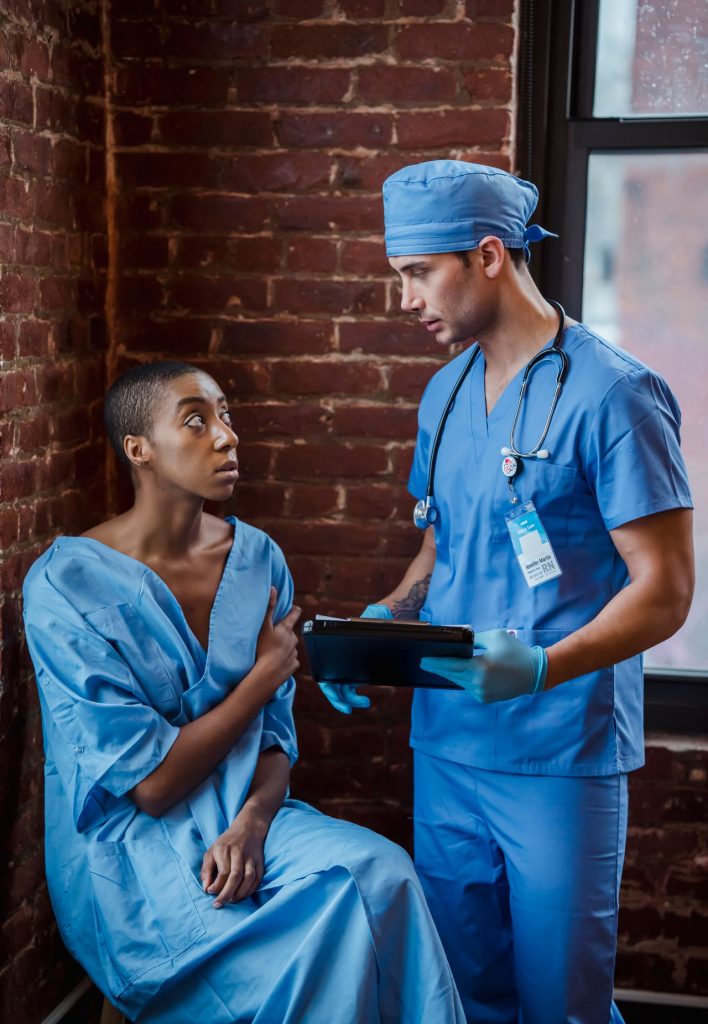
A patient referral system in Nigeria is supposed to make healthcare smoother. When a clinic, pharmacy, diagnostic centre, or small hospital cannot handle a case, the patient is directed to a better-equipped facility for tests, specialist care, emergency treatment, or admission.
In reality, referrals do not always move as neatly as they look on paper. A patient may be told to leave a private clinic in Ikorodu for a specialist hospital in Ikeja. A maternity case may need urgent transfer from a community hospital in Ogun to Lagos. A lab sample may need to reach a diagnostic centre before the close of work. In each case, the success of the referral depends not only on medical advice but also on movement, timing, coordination, and trust.
That is where transport and logistics become part of the healthcare process.
What Usually Happens When a Patient Is Referred
In many Nigerian hospitals and clinics, referrals happen for practical reasons. The first facility may not have the right specialist, bed space, equipment, laboratory service, theatre, or emergency support.
A doctor may write a referral note and advise the patient or relatives to move quickly. But after that, the family often has to figure out the next steps alone.
They may need to arrange:
A suitable vehicle for the patient: Not every car is comfortable or safe for a weak, elderly, injured, or post-surgery patient.
Someone to accompany the patient: Many hospitals expect a relative, nurse, or caregiver to travel with the patient.
Proper direction to the receiving facility: In Lagos, Abuja, Port Harcourt, or Ibadan, going to the wrong gate, wrong department, or wrong hospital branch can waste valuable time.
Movement of documents or samples: Referral letters, scan results, blood samples, prescriptions, or medical supplies may need separate delivery.
For non-emergency referrals, this may only cause inconvenience. For urgent cases, poor coordination can become a serious problem.
Where the Patient Referral System in Nigeria Often Breaks Down
The biggest challenge is not always the referral itself. It is what happens between the first facility and the next facility.
A patient may receive a referral letter but no clear transport plan. A hospital may accept a transfer but the patient arrives late because of traffic. A sample may be delayed because the dispatch rider does not understand the urgency or handling requirements. A family may book a random vehicle that is not clean, spacious, or reliable enough for medical movement.
Common issues include:
Traffic delays: A trip from Lekki to LUTH or from Gwarinpa to Garki Hospital can take much longer during peak hours.
Poor communication: Drivers may not know the hospital layout or the correct contact person to call on arrival.
Wrong vehicle choice: A small saloon car may not work for a patient who needs to lie back, travel with oxygen, or move with medical equipment.
Unplanned costs: Families may face sudden transport charges, fuel requests, waiting fees, or multiple vehicle bookings.
Late document delivery: Test results, referral forms, and prescriptions may arrive after the patient, delaying treatment.
A better referral experience requires planning beyond the doctor’s instruction.
How Proper Transport Coordination Helps Patients and Families
Safe patient movement is not just about booking a vehicle. It is about matching the movement to the patient’s condition and destination.
For example, a stable patient going from a clinic in Surulere to a specialist consultation in Victoria Island may only need a clean, air-conditioned car with a careful driver. A patient moving from one hospital to another after surgery may need more space, a calm route, and someone who understands hospital pickup and drop-off timing.
For medical businesses, coordination is also important. Pharmacies, laboratories, HMOs, diagnostic centres, and clinics often need fast delivery of documents, samples, medicines, or medical consumables between locations.
A practical support system should consider:
Pickup time: The vehicle should arrive before the patient is discharged or expected to move.
Route planning: Drivers should avoid known traffic bottlenecks where possible.
Hospital access: The driver should know where to stop without delaying the patient.
Waiting time: Some referrals require the vehicle to wait while admission or consultation is confirmed.
Privacy and comfort: Patients and relatives should not feel exposed or rushed during movement.
This type of planning reduces stress for families and helps healthcare providers manage referrals more professionally.
Referral Transport Is Not Only for Emergencies
Many people assume patient transport is only needed when there is an emergency. But in Nigeria, many referrals are planned movements.
A patient may need to visit a cardiologist in Lagos after seeing a general doctor in Abeokuta. A pregnant woman may be referred to a better-equipped hospital before delivery. An elderly patient may need regular movement for dialysis, physiotherapy, scans, or follow-up appointments.
There are also non-patient movements that support referrals, such as:
Delivering lab samples between clinics and diagnostic centres
Moving medical records or scan results
Sending prescriptions and medical supplies
Transporting caregivers or relatives to hospitals
Coordinating airport pickup for patients travelling into Nigeria for treatment
These are small details, but they can affect how quickly treatment starts.
How Travo.ng Supports Safer Healthcare Movement
Travo.ng helps individuals, families, clinics, pharmacies, and healthcare businesses arrange practical transport and logistics support across Nigeria.
For patient referral needs, Travo.ng can assist with suitable vehicle hire, hospital pickup coordination, courier services for medical documents, delivery of healthcare items, and movement planning between facilities. The service is especially useful when families need reliable transport quickly or when businesses need a consistent logistics partner for medical-related deliveries.
For example, a clinic in Lagos can arrange document delivery to a diagnostic centre. A family in Abuja can book a vehicle for a hospital appointment. A pharmacy can schedule dispatch of urgent medication. A patient arriving at the airport for treatment can arrange pickup to a hotel or hospital.
Travo.ng does not replace medical care, ambulance services, or hospital emergency teams. But it helps handle the movement and coordination side of healthcare, which is often where many Nigerian referrals become stressful.
What to Check Before Moving a Referred Patient
Before arranging transport, confirm a few details:
The receiving hospital is expecting the patient: Do not move blindly without confirming where the patient should report.
The patient is stable enough for the journey: Always follow medical advice before transport.
All documents are ready: Referral notes, test results, prescriptions, scans, and ID documents should be packed.
The vehicle is suitable: Consider space, comfort, cleanliness, and whether a caregiver needs to ride along.
The route is realistic: Lagos traffic, bad roads, rain, fuel queues, and hospital waiting time can all affect timing.
Making Referrals Less Stressful in Nigeria
A good patient referral system in Nigeria should not end at writing a referral letter. It should also consider how the patient, documents, medicine, and support items will move safely from one point to another.
Families need less confusion. Clinics need dependable coordination. Healthcare businesses need delivery partners that understand urgency and local movement realities.
With Travo.ng, patients, relatives, and medical service providers can book reliable transport, courier, delivery, and logistics support that makes referral movement easier to manage across Nigerian cities.
