


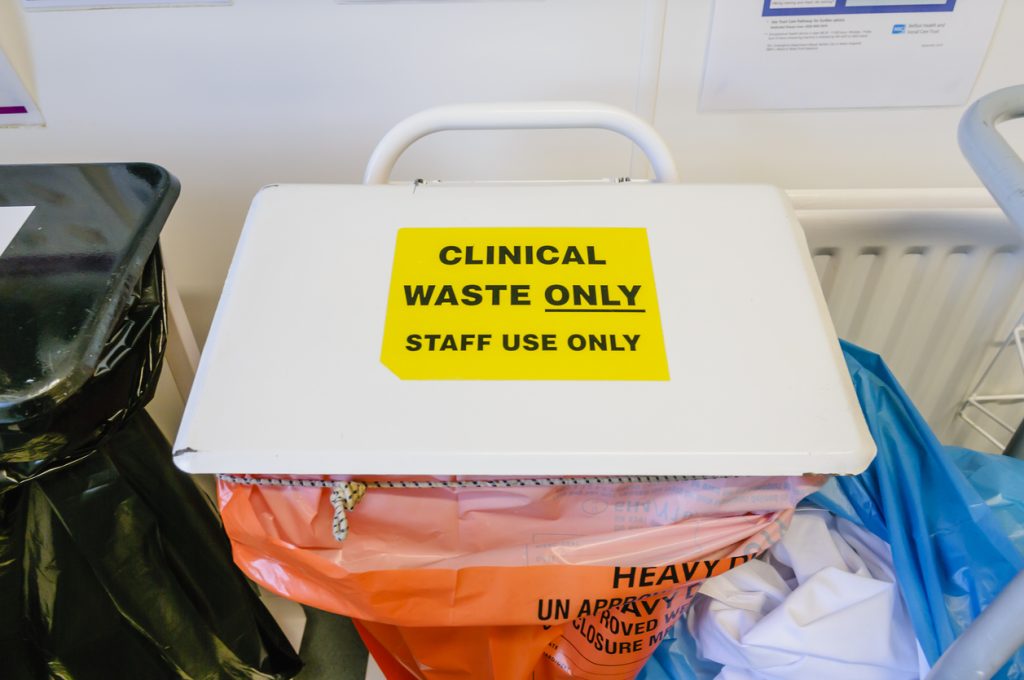
Hospital waste management in Nigeria is not something any clinic, laboratory, pharmacy, or hospital can afford to treat casually. A small error in handling used syringes, blood-stained materials, expired drugs, laboratory samples, or contaminated dressings can create serious health risks for staff, patients, cleaners, transporters, and the wider community.
In many Nigerian cities, the challenge is not just disposal. The real problem starts from collection, sorting, temporary storage, movement, documentation, and choosing the right transport arrangement. A private clinic in Lekki, a diagnostic centre in Ikeja, a pharmacy in Abuja, or a medical outreach team in Port Harcourt all face the same question: how do we move medical waste safely without exposing people or breaking operational standards?
That is where a properly coordinated service becomes important. Travo.ng helps healthcare-related businesses arrange safe logistics support, scheduled pickups, transport coordination, and practical movement solutions for medical and healthcare waste needs across Nigeria.
What Counts as Hospital Waste in Everyday Nigerian Healthcare
Hospital waste is not only the waste generated by large hospitals. In Nigeria, many smaller healthcare businesses also produce waste that must be handled with care.
This can include:
Used syringes and needles: These need careful handling because they can injure cleaners, waste handlers, or transport workers if they are mixed with regular refuse.
Blood-stained cotton wool, gloves, and dressings: These are common in clinics, maternity centres, dental practices, and laboratories.
Expired medicines and pharmaceutical waste: Pharmacies, hospitals, and medical stores often need controlled removal of expired or damaged stock.
Laboratory waste: Diagnostic centres generate sample containers, swabs, testing materials, and other potentially contaminated items.
General healthcare waste: Packaging, disposable medical items, and non-infectious hospital waste still need organised collection so they do not mix with high-risk materials.
The mistake many facilities make is treating all waste the same way. In a busy Nigerian hospital environment, especially where cleaners work under pressure, proper separation must happen from the point of use.
Why Poor Medical Waste Handling Becomes a Bigger Problem Quickly
In places like Lagos, Abuja, Ibadan, Benin, Enugu, and Port Harcourt, waste movement is already affected by traffic, access roads, fuel costs, and inconsistent pickup schedules. When hospital waste is involved, delays create more than inconvenience.
Waste kept too long can smell, attract pests, or expose workers. Sharp objects can injure people if bags are overloaded or poorly sealed. Contaminated materials can also put security staff, cleaners, dispatch riders, and waste handlers at risk.
A common issue is when a clinic stores medical waste in a back room or outside compound because the regular collector has not arrived. Another is when waste is moved with the wrong type of vehicle, mixed with general parcels, or handled by people who do not understand the risk.
Good hospital waste management in Nigeria should reduce these risks before they become emergencies.
What a Proper Hospital Waste Pickup Plan Should Include
A reliable plan is not just about sending a vehicle. The process should be organised from the healthcare facility’s side and from the logistics side.
A practical plan should cover:
Waste separation before pickup: Sharps, infectious materials, pharmaceutical waste, and general waste should not be treated the same way.
Clear pickup timing: Hospitals and clinics should know when the waste will be collected, especially if storage space is limited.
Safe loading and movement: Waste should be packed, sealed, labelled where necessary, and moved without exposing drivers or handlers.
Route planning: In Lagos, pickup timing can change everything. A vehicle moving from Victoria Island to Yaba, Ikeja, or Oshodi may need to avoid peak traffic periods to reduce delay.
Documentation support: Facilities often need records of waste movement, especially where internal audits, inspections, or compliance checks are involved.
Travo.ng supports healthcare providers by helping coordinate reliable pickup and transport arrangements that fit their location, waste volume, and urgency.
How Much Does Hospital Waste Movement Usually Depend On?
Pricing for hospital waste logistics in Nigeria can vary because not every facility has the same need. A small dental clinic in Surulere will not require the same arrangement as a hospital in Abuja handling daily clinical waste.
Cost usually depends on:
Waste volume: Larger quantities require more planning, vehicle space, and handling.
Pickup frequency: Daily, weekly, or emergency pickup arrangements will affect cost.
Location and distance: Movement within Ikeja may cost less than coordinating pickup from Lekki to a disposal partner outside the immediate area.
Type of waste: Sharps, pharmaceutical waste, and potentially infectious materials may require more careful handling than general healthcare waste.
Urgency: Same-day or emergency pickup usually costs more than scheduled collection.
For many small clinics, the smarter option is scheduled pickup instead of waiting until waste piles up. It helps control cost, improves safety, and reduces last-minute stress.
Mistakes Clinics and Hospitals Should Avoid
Many healthcare facilities do not have a waste problem because they lack concern. They have a waste problem because daily operations get busy and small gaps become routine.
One common mistake is mixing hospital waste with normal office or household refuse. Another is using ordinary sacks that tear easily during loading. Some facilities also wait too long before arranging pickup, especially during weekends or public holidays.
Another mistake is booking transport without explaining the nature of the waste. A regular delivery vehicle used for documents, food items, or ecommerce parcels should not be casually used for medical waste movement. The person coordinating the pickup must understand what is being moved and how it should be handled.
Facilities should also avoid relying only on informal arrangements. Hospital waste requires consistency. If your usual contact is unavailable, your clinic should still have a dependable backup option.
Where Travo.ng Fits Into Hospital Waste Management in Nigeria
Travo.ng helps healthcare businesses arrange practical logistics support for hospital waste management in Nigeria, especially when safe pickup, transport coordination, and scheduled movement are needed.
This is useful for:
Private hospitals needing regular waste pickup support
Clinics looking for safer logistics coordination
Diagnostic centres handling laboratory waste
Pharmacies removing expired or damaged stock
Medical outreach teams needing waste return logistics after field work
Healthcare businesses that need reliable transport support
Travo.ng can also support related healthcare logistics such as medical deliveries, document delivery, airport pickup for medical visitors, vehicle hire for hospital teams, and movement of medical supplies where appropriate.
A Better Way to Handle Healthcare Waste Without Last-Minute Panic
Hospital waste should never be handled as an afterthought. The safest approach is to plan before waste becomes urgent. Clinics and hospitals should have clear internal sorting, a known pickup schedule, responsible staff, and a logistics partner that understands the sensitivity of medical waste movement.
Whether you run a small clinic in Lagos, a diagnostic centre in Abuja, a pharmacy in Port Harcourt, or a healthcare outreach programme across multiple locations, proper coordination makes the process safer and easier to manage.
For hospitals, clinics, laboratories, and healthcare businesses that need dependable hospital waste management in Nigeria, Travo.ng provides a practical way to arrange safe pickup, transport coordination, and medical logistics support without unnecessary delays.
