A proper vehicle inspection is one of the most important steps every Nigerian driver should take before buying, selling, or using a car. Whether you’re purchasing a Tokunbo car, checking a Nigerian-used vehicle, or preparing your car for long-distance travel, a thorough inspection helps you avoid costly repairs, unsafe vehicles, and fraudulent sellers.
This guide explains everything you need to inspect, why it matters, and how Travo.ng supports your mobility needs with secure vehicle logistics.
Why Vehicle Inspection Matters in Nigeria
Nigeria’s road and market conditions make proper inspection essential. Key reasons include:
- Many used cars are imported with unknown history
- Some sellers hide mechanical or accident issues
- Poor road conditions can damage suspension and undercarriage
- Long-distance travel demands engine reliability
- Prevents buying stolen or improperly cleared vehicles
- Saves money by identifying faults before payment
A professional inspection helps you make better decisions whether you’re a car buyer or owner.
Types of Vehicle Inspection
There are different levels of inspection depending on your needs.
Pre-purchase Inspection
This is done before buying a car. It ensures the car is mechanically sound and worth the asking price.
Safety Inspection
Checks that the vehicle is safe for use on public roads, including lights, brakes, tires, and seatbelts.
Emissions Inspection
Evaluates exhaust emissions to ensure the car does not exceed environmental limits.
Roadworthiness Inspection
Required by law. This confirms the vehicle is fit for road use and eligible for registration.
Each type protects drivers in different ways.
Key Areas to Check During a Vehicle Inspection
When examining a car, focus on the following crucial parts.
Engine Condition
The heart of the car. The engine should:
- Start smoothly
- Idle without shaking
- Have no oil leaks
- Produce no strange noises
A failing engine leads to expensive repairs.
Transmission
Check for smooth shifting in both automatic and manual cars. Delayed or jerky shifts signal major issues.
Suspension and Steering
These affect comfort and safety. Inspect for:
- Unusual noises
- Hard steering
- Vibration while driving
Nigeria’s rough roads often damage these areas.
Tires
Look for:
- Even wear
- Good tread depth
- Correct tire pressure
Worn-out tires reduce safety and fuel efficiency.
Brakes
Test braking responsiveness. Ensure there are no squeaking sounds or pulling to one side.
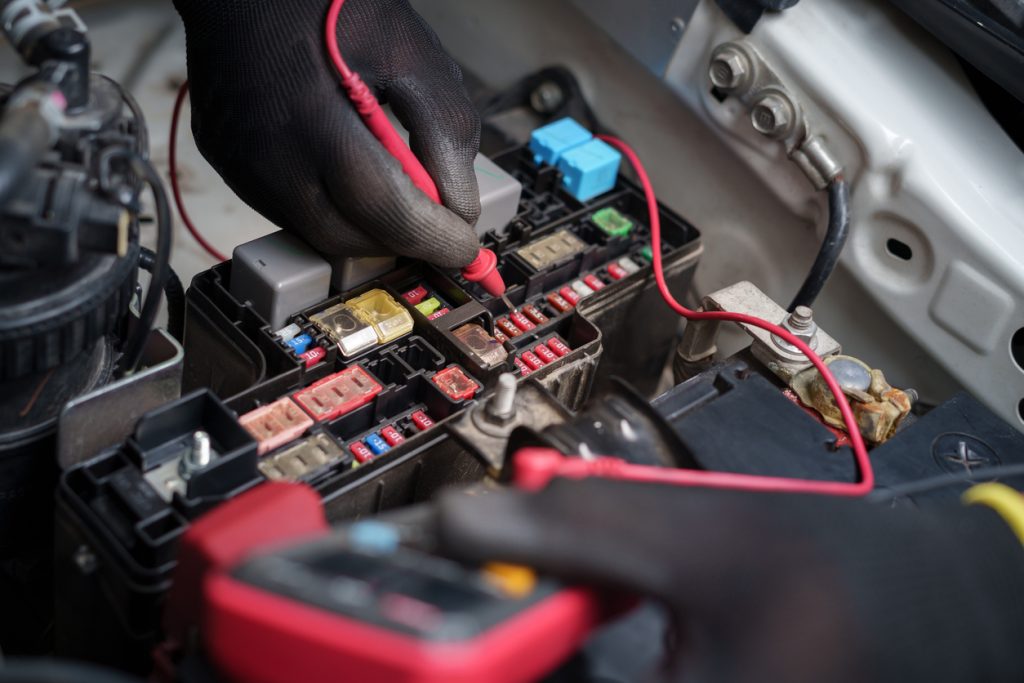
Electrical System
Check:
- Headlights
- AC
- Power windows
- Indicators
- Dashboard lights
Electrical issues are common in heavily used cars.
Interior and Exterior Condition
Inspect seats, dashboard, paint quality, and body alignment. Bad alignment may indicate past accidents.
Undercarriage
Often ignored but critical. Look for rust, oil leaks, and frame damage.
Documentation
A complete vehicle inspection always includes document checks:
- Customs papers
- Proof of ownership
- Chassis and engine number match
- Insurance
- Roadworthiness certificate
Proper documentation prevents legal issues.
Who Should Perform a Vehicle Inspection?
You can perform a basic check yourself, but a full inspection is best done by:
- Certified mechanics
- Auto engineers
- Professional inspectors
- Trusted car diagnostic centers
These experts use advanced tools and experience to detect hidden issues.
How Travo.ng Supports Vehicle Inspection and Mobility
Travo.ng may not conduct inspections, but we support buyers and owners by providing:
- Secure vehicle transport to inspection sites
- Logistics for inter-state car movement
- Door-to-door vehicle delivery
- Mobility support for buyers visiting dealerships
- Fleet movement for companies handling multiple vehicles
This ensures your chosen car reaches any inspection point safely and on time.
You can also explore related services such as corporate travel coordination, airport transfers, and vehicle relocation support.
Tips for Passing and Using a Vehicle Inspection Report
Use these recommendations for accurate results:
- Always insist on a test drive
- Get a written inspection report
- Ask for repair estimates if faults are found
- Compare inspection findings with the car’s price
- Walk away if major issues are detected
- Use the report to negotiate a better deal
A proper inspection saves you from bad purchases.
Final Thoughts
A thorough vehicle inspection is essential for anyone buying a car, maintaining a car, or preparing for long journeys in Nigeria. With the right checks and professional support, you can avoid risks, save money, and enjoy reliable road performance. And with Travo.ng handling your logistics needs, transporting your car for inspection or after purchase becomes smooth and stress-free.