Many drivers underestimate the importance of engine coolant, yet it is one of the most critical fluids in any vehicle. Nigeria’s hot climate, heavy traffic, and long-distance road trips make coolant essential for preventing engine overheating and costly damage. Whether you drive a daily commuter car, SUV, or commercial van, understanding how coolant works helps you keep your vehicle running smoothly.
This guide explains why coolant is important, the different types available, and how to maintain it correctly. With Travo.ng supporting vehicle logistics across Nigeria, you can ensure safe mobility whether your car is in perfect condition or needs professional attention.
What Engine Coolant Is and How It Works
Engine coolant—also known as antifreeze—is a liquid mixture designed to regulate your engine’s temperature. It flows through the engine and radiator to:
- Absorb heat from the engine
- Prevent overheating
- Protect internal parts from rust and corrosion
- Maintain stable temperature in all seasons
Most coolants are a mix of water and ethylene glycol or propylene glycol, offering both heat absorption and freeze protection.
Why Engine Coolant Is Crucial in Nigeria
Nigeria’s environment can be tough on cars, and coolant plays an important role because:
- High temperatures increase overheating risks
- Traffic congestion causes prolonged idling
- Long trips require stable engine performance
- Dust and heat can reduce radiator efficiency
- Many Nigerian drivers rely heavily on their vehicles for work
Using the right engine coolant prevents breakdowns and extends your engine’s lifespan.
Different Types of Engine Coolant
There are several coolant types, and using the correct one is essential for engine health.
Inorganic Acid Technology (IAT)
Usually green in color. Common in older vehicles and needs more frequent replacement.
Organic Acid Technology (OAT)
Often orange, red, or pink. Lasts longer and is used in many modern vehicles.
Hybrid Organic Acid Technology (HOAT)
A mix of IAT and OAT, usually yellow. Provides long-lasting protection and corrosion resistance.
Hybrid (Asian) Coolants
Typically blue or pink. Designed for Asian vehicles like Toyota, Honda, and Nissan.
Always check your vehicle manual for the recommended coolant type.
Signs You Need to Change Your Engine Coolant
A failing or low coolant system can lead to serious engine damage. Watch for these warning signs:
- Rising engine temperature
- Overheating in traffic
- Visible coolant leaks under the car
- Sweet smell inside the cabin
- White smoke from the exhaust
- Low coolant reservoir level
- Rust-colored or dirty coolant
- Warning light on the dashboard
If you notice any of these symptoms, check your coolant immediately.
How Often Should You Change Coolant?
The ideal interval depends on your vehicle type and coolant formulation. General guidelines include:
- IAT Coolant: Every 2 years or 30,000 km
- OAT Coolant: Every 5 years or 100,000 km
- HOAT Coolant: Every 3–5 years
Nigeria’s climate may require more frequent checks, especially for older vehicles.
How to Check Your Engine Coolant
You can easily monitor coolant levels with these steps:
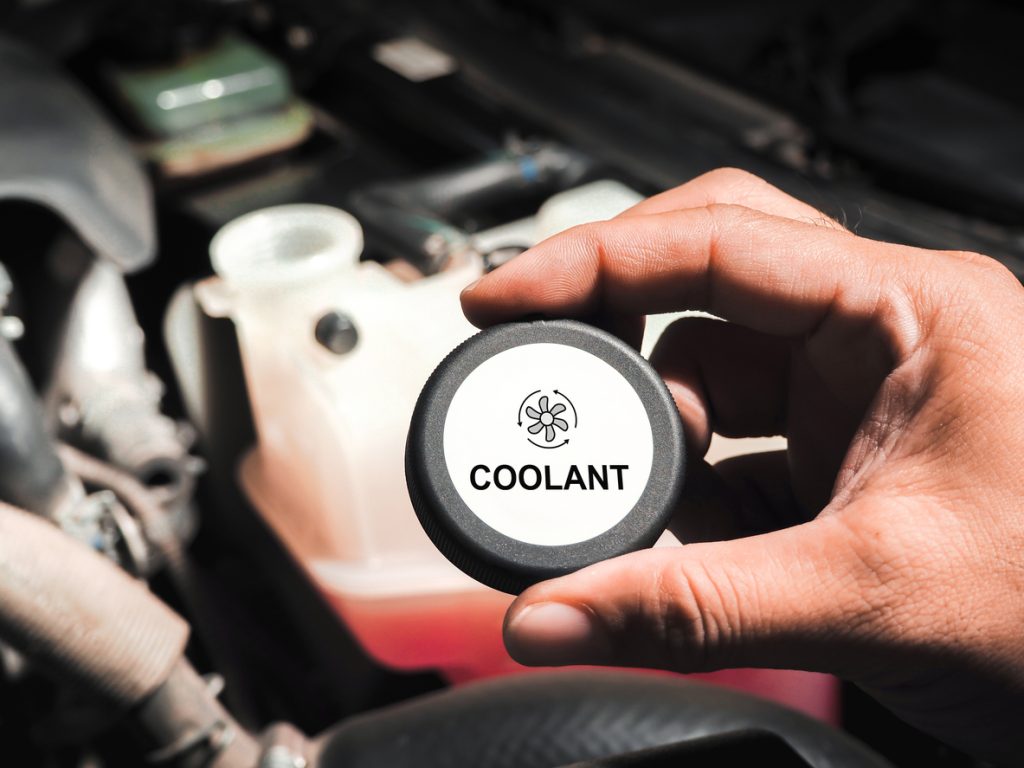
- Locate the coolant reservoir
- Ensure the engine is cool before opening
- Check that the level is between “MIN” and “MAX”
- Top up using the recommended coolant—not plain water
Avoid checking when the engine is hot, as high pressure can cause burns.
Common Coolant Mistakes to Avoid
Many drivers unknowingly damage their engines by mishandling coolant. Avoid these mistakes:
- Using only water instead of coolant
- Mixing different coolant types
- Ignoring leaks
- Overfilling the coolant reservoir
- Driving with overheating symptoms
- Not flushing out old coolant before refilling
Correct coolant maintenance keeps your engine safe.
How Travo.ng Supports Vehicle Maintenance Needs
Travo.ng doesn’t offer mechanical repairs, but our logistics services help vehicle owners stay mobile. We assist with:
- Vehicle transport for repairs or servicing
- Inter-state movement of cars for inspection
- Door-to-door logistics
- Corporate fleet mobility support
- Travel coordination during breakdown situations
You can also explore related services like chauffeur support, airport transfers, and vehicle relocation across Nigeria.
Tips for Keeping Your Cooling System Healthy
Follow these steps to maintain a strong cooling system:
- Regularly check coolant level
- Inspect radiator hoses for cracks
- Flush the system at recommended intervals
- Use only approved coolant types
- Avoid long idling in heavy traffic
- Clean radiator fins periodically
Simple habits make a big difference in preventing overheating.
Final Thoughts
Understanding engine coolant is essential for every driver in Nigeria. With the right coolant, proper maintenance, and timely checks, you can keep your engine cool, efficient, and long-lasting. And whenever you need reliable vehicle mobility support, Travo.ng ensures your logistics needs are handled safely and professionally.