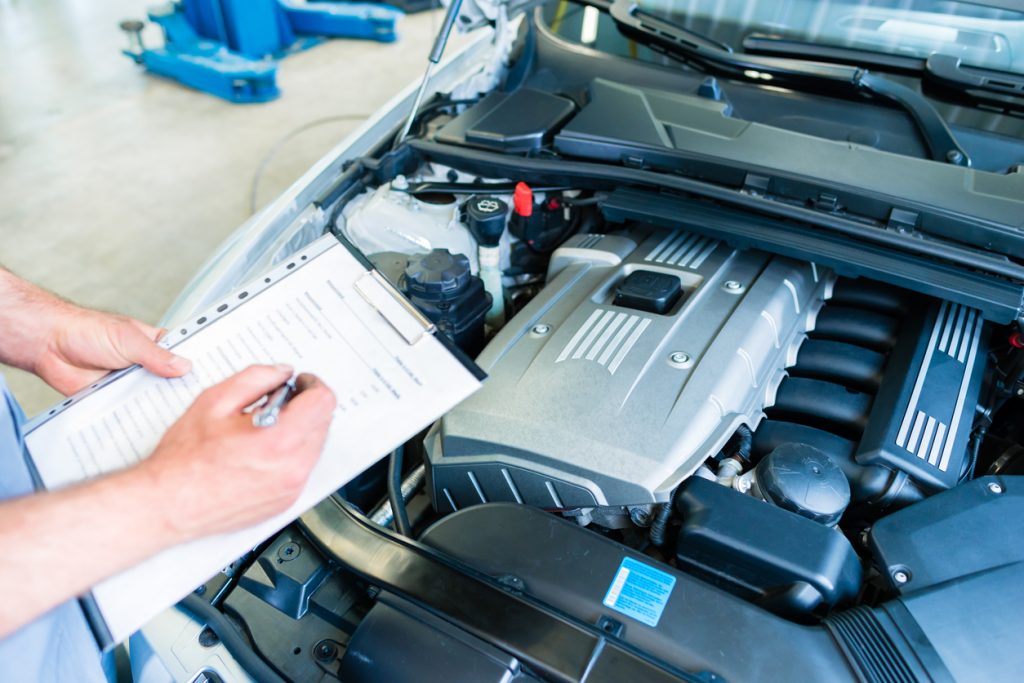
For many drivers—especially those travelling abroad, importing vehicles, or planning to relocate—understanding an MOT check is essential. The MOT (Ministry of Transport) check is a mandatory annual test in the UK designed to ensure vehicles meet road safety and environmental standards. Even though Nigeria does not use the MOT system, many Nigerians still search for it when buying UK-used cars or preparing to drive internationally.
This guide explains everything you need to know about MOT checks, how they work, and why they are important.
What Is an MOT Check?
An MOT check is a government-required test carried out once a year to ensure that a car, van, or motorcycle is safe to drive and meets environmental regulations.
The MOT does not cover the condition of the engine or gearbox; instead, it focuses on safety-critical areas such as brakes, lights, and emissions.
Vehicles over three years old in the UK must undergo this test annually. If a vehicle fails, it must be repaired before it can legally be driven.
Why an MOT Check Is Important
1. Ensures Road Safety
The primary purpose of an MOT check is to confirm that a vehicle is safe for road use.
For example:
- Faulty brakes increase accident risks
- Broken lights cause visibility issues
- Bad tyres can lead to blowouts
The MOT test ensures all critical safety components are functioning properly to reduce road accidents.
2. Helps Identify Hidden Problems Early
Many vehicle issues—like worn suspension components or brake imbalance—aren’t easily noticeable during everyday driving.
An MOT check helps detect these problems early, preventing:
- Sudden breakdowns
- High repair costs later
- Dangerous driving conditions
This early detection saves both money and stress for the vehicle owner.
3. Reduces Environmental Pollution
Part of the MOT test examines emissions.
Cars with excessive exhaust emissions are considered unsafe for the environment. The MOT ensures that:
- Catalytic converters are working
- Emission levels are within legal limits
- Vehicles are not polluting the air excessively
This is important for countries dealing with rising air pollution.
4. Required for Legal Driving
In the UK, it is illegal to drive a car without a valid MOT certificate.
This legal requirement helps maintain uniform safety standards nationwide.
Cars without MOT:
- Cannot be taxed
- Cannot be insured
- Cannot be sold legally as “roadworthy”
This ensures vehicle owners stay compliant with road laws.
5. Useful When Buying a UK-Used Car
Many Nigerians purchase Tokunbo (UK-used) cars. Checking the MOT history helps you understand:
- If the car was well maintained
- How often it failed previous tests
- Recurring issues (e.g., brake wear, suspension faults)
- Accurate mileage confirmation
An MOT history check provides transparency and reduces the chances of buying a problematic vehicle.
What an MOT Check Includes
1. Brakes and Braking System
The test checks:
- Brake pads
- Brake discs
- Handbrake efficiency
- Brake fluid levels
- Overall stopping ability
Safe braking is one of the most important elements of the MOT.
2. Lights and Indicators
The technician checks if:
- Headlights are bright and correctly aligned
- Indicators work properly
- Brake lights illuminate on time
- Hazard lights function
Poor lighting is a common reason cars fail the MOT.
3. Tyres and Wheels
Tyres must:
- Have legal tread depth (at least 1.6mm)
- Be free from cuts or bulges
- Match correctly in size and type
Damaged tyres compromise safety, especially on wet roads.
4. Steering and Suspension
The test checks:
- Steering wheel responsiveness
- Power steering function
- Suspension shocks and springs
These affect vehicle stability and comfort.
5. Vehicle Body Structure
The vehicle must not have:
- Dangerous rust
- Sharp edges
- Damaged chassis parts
Structural integrity is crucial for crash safety.
6. Exhaust System and Emissions
The MOT ensures:
- No exhaust leaks
- Emission levels meet legal standards
- Catalytic converter is working
Excessive emissions can automatically fail the test.
7. Windscreen, Windows, and Wipers
The tester checks:
- Windshield cracks
- Visibility levels
- Wipers and washer jets
Clear visibility is essential for safe driving.
8. Seatbelts
All seatbelts must:
- Lock properly
- Be securely fitted
- Show no signs of damage
Passenger safety depends on seatbelt condition.
9. Horn, Mirrors, and General Controls
These are checked to ensure the driver can control the vehicle safely and communicate effectively with other road users.
How to Check MOT History
You can check a vehicle’s MOT history online using the UK DVLA (Driver and Vehicle Licensing Agency).
With the car’s registration number, you can view:
- Pass or fail records
- Reasons for failure
- Advisories (recommended future repairs)
- Mileage records
This is especially useful when evaluating imported cars in Nigeria.
Final Thoughts
An MOT check is an essential safety and environmental test for vehicles used in the UK. While it is not part of Nigeria’s regulatory system, it is highly relevant for Nigerians buying UK-used cars or preparing to drive abroad. Understanding what the test includes helps you make informed decisions, identify good vehicles, and maintain safe driving habits.