
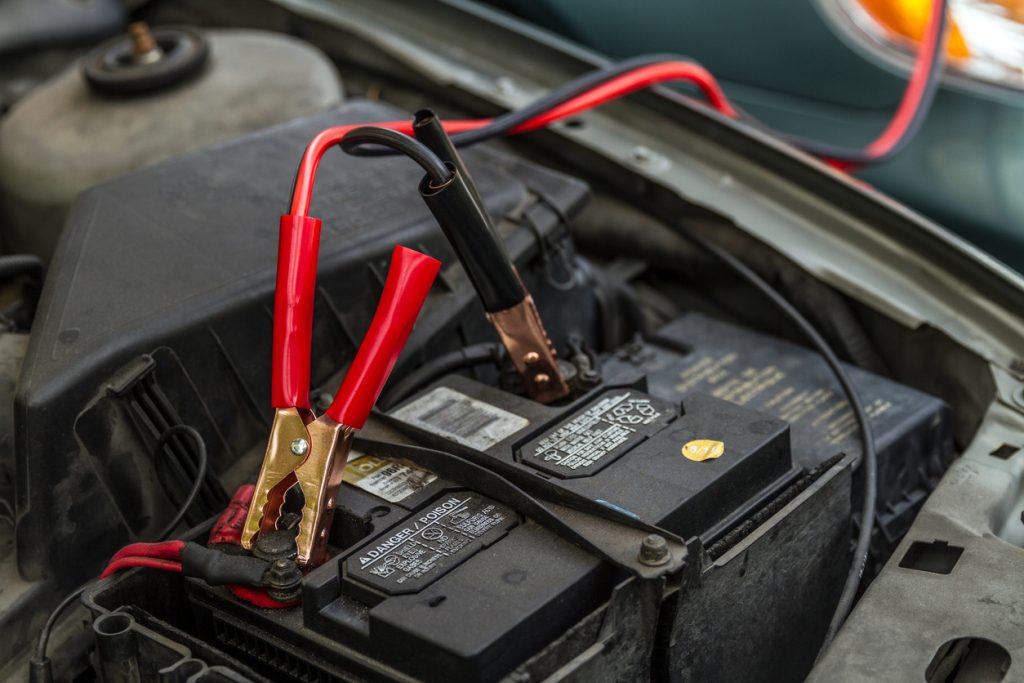
If you’ve ever turned your ignition and heard nothing but silence, you know how frustrating a dead battery can be. Learning how to jump start a car is an essential skill for Nigerian drivers, especially during emergencies, late-night breakdowns, or long road trips. A weak or dead battery is one of the most common vehicle problems in Nigeria due to heat, irregular servicing, and long periods of inactivity.
This guide explains everything you need to know about jump-starting safely. Travo.ng also supports motorists with nationwide vehicle logistics and travel services to keep your journeys stress-free.
Why Car Batteries Die in Nigeria
Before learning how to jump start a car, it helps to understand the common causes of battery failure:
- Extreme heat weakens battery fluid
- Leaving lights or electronics on overnight
- Alternator issues
- Long periods without driving
- Poor battery terminals or corrosion
- Old or expired battery
- Frequent short trips that don’t allow full charging
Nigeria’s hot climate and heavy traffic make batteries especially vulnerable.
What You Need to Jump Start a Car
To safely jump start a car, you’ll need:
- A working car with a healthy battery
- Jumper cables (also called booster cables)
- Clean, accessible battery terminals
- A safe location away from traffic
Using high-quality cables prevents sparks and reduces risk.
Step-by-Step Guide to Jump Start a Car
Follow these instructions carefully to avoid injury or damage to your vehicle.
Step 1: Position Both Vehicles
Park the working car close enough for the cables to reach but without touching. Turn off both engines.
Step 2: Connect the Red (Positive) Cable
Attach the red clamp to the positive terminal (+) of the dead battery.
Then attach the other red clamp to the positive terminal of the working battery.
Step 3: Connect the Black (Negative) Cable
Attach the black clamp to the negative terminal (–) of the working battery.
Attach the remaining black clamp to an unpainted metal part of the car with the dead battery—NOT the negative terminal. This reduces the risk of sparks.
Step 4: Start the Working Car
Let it run for 2–5 minutes to transfer enough power.
Step 5: Start the Car with the Dead Battery
Try turning the ignition. If it doesn’t start:
- Wait a few more minutes
- Adjust the cable connection
- Try again
If the car still refuses to start, the battery may be completely dead or the issue may be deeper.
Step 6: Remove the Cables in Reverse
Remove the cables in this order:
- Black cable from the metal surface
- Black cable from the working battery
- Red cable from the working battery
- Red cable from the revived battery
Step 7: Keep the Car Running
Let the revived car run for at least 15–20 minutes to recharge the battery.
Safety Tips When Jump-Starting a Car
Knowing how to jump start a car safely prevents accidents. Keep these tips in mind:
- Never let the clamps touch each other
- Avoid jump-starting near flammable materials
- Do not smoke near the battery
- Wear gloves if possible
- Do not attempt a jump-start if the battery is leaking
- Avoid using damaged cables
- If unsure, call a professional
Caution ensures your safety and protects your vehicle.
Signs Your Battery Needs Replacement
A car that constantly needs jump-starting likely needs a new battery. Watch for:
- Slow engine cranking
- Dim headlights
- Warning lights on the dashboard
- Frequent electrical issues
- Battery older than 2–3 years
- Corroded or swollen battery case
Don’t wait until it fails completely before replacing it.
How Travo.ng Supports Drivers in Emergency Situations
While Travo.ng doesn’t offer mechanical repairs, our services help drivers stay mobile during vehicle problems. We provide:
- Nationwide vehicle transport if your car fails far from home
- Door-to-door logistics when moving your car for repairs
- Travel coordination during emergencies
- Corporate and personal mobility solutions
These services help you stay safe even when your car shuts down unexpectedly.
You can also explore related solutions such as chauffeur support, inter-state travel planning, and vehicle relocation services.
How to Prevent Future Battery Failure
Reduce your chances of needing to jump start a car by following these habits:
- Drive regularly to keep the battery charged
- Clean battery terminals occasionally
- Avoid leaving lights on
- Switch off AC and electronics before turning off the engine
- Test your battery every six months
- Replace weak batteries early
Prevention saves time, money, and frustration.
Final Thoughts
Knowing how to jump start a car is an essential skill for every Nigerian driver. With the right tools, careful steps, and proper safety precautions, you can revive a dead battery quickly. And whenever you need reliable logistics or travel support, Travo.ng ensures your vehicle and mobility needs are handled professionally