
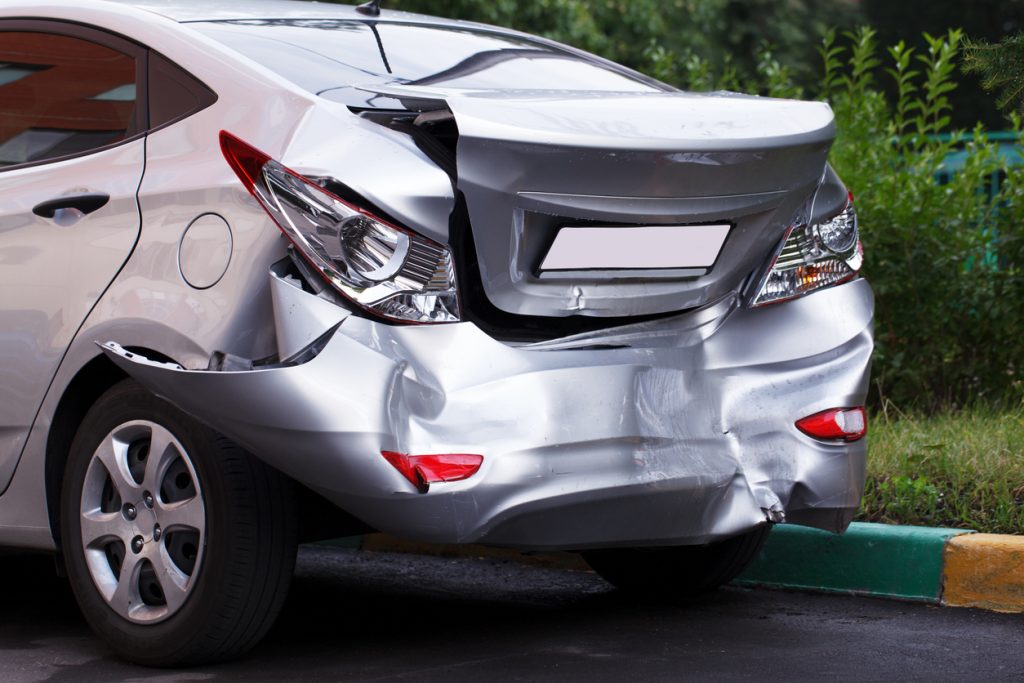
If you’re buying a used vehicle, understanding car damage categories is essential. These categories help buyers identify the extent of damage a vehicle has sustained, especially when dealing with imported Tokunbo cars. Many cars brought into Nigeria from the U.S., U.K., and Europe have been involved in accidents or insurance claims, making it important to know what each damage classification means.
This guide breaks down the major damage categories, how they affect vehicle value, and what Nigerian buyers should look out for. With Travo.ng offering reliable logistics support, you can also transport your vehicle safely after purchase.
Why Car Damage Categories Matter
Knowing car damage categories protects buyers by helping them:
- Avoid heavily damaged vehicles
- Understand repair history
- Negotiate better prices
- Assess long-term reliability
- Prevent costly surprises
- Make informed buying decisions
These categories are often found in vehicle reports from insurance companies or auction platforms.
Common Car Damage Categories in Imported Cars
Cars from the U.K. and Europe often use salvage categories, while U.S. vehicles rely on insurance claim descriptions. Here are the major types:
Category A – Scrap Only
The most severe classification. The vehicle is completely destroyed and cannot be repaired.
- Not allowed back on the road
- Only suitable for scrap metal
- Should never be purchased
If a seller presents a Category A car, avoid it completely.
Category B – Break for Parts
The vehicle has major structural damage.
- Can’t be returned to the road
- Some parts may be salvageable
- Mechanical and body components may be usable
Buying such cars is not advisable unless you are a parts dealer.
Category S (Structural Damage)
This was previously called Category C.
- Vehicle has structural or frame damage
- Can be repaired and returned to the road
- Repairs must be done to safety standards
Nigerian buyers should inspect the chassis and alignment carefully before purchase.
Category N (Non-Structural Damage)
Previously called Category D.
- No structural damage
- Issues involve electronics, interior, lights, or minor body repairs
- Easier to fix than Category S cars
These cars can be good bargains if repairs were done properly.
U.S. Car Damage Classification (Insurance-Based)
American auction platforms often describe damage instead of using categories.
Front-End Damage
Involves bumper, headlights, bonnet, or radiator. Must inspect:
- Airbags
- Frame alignment
- Cooling system
Rear-End Damage
Usually affects trunk, bumper, and lights. Can be inexpensive to fix if the frame is intact.
Side Damage
May involve doors, pillars, and airbags. Requires careful inspection.
Water/Flood Damage
Cars exposed to flooding may have:
- Electrical issues
- Rust
- Transmission failure
Not recommended for long-term use in Nigeria.
Hail Damage
Cosmetic dents caused by ice. Generally easy to repair.
Theft Recovery
Cars stolen and later found. Often mechanically sound.
Understanding these terms helps buyers navigate car damage categories with confidence.
How Damage Categories Affect Vehicle Price
Damage levels significantly impact pricing:
- Category A & B: Extremely cheap but unusable
- Category S: Affordable but requires heavy inspection
- Category N: Slightly discounted and often the best value
- Cosmetic-only damage: Minimal price reduction
- Flood-damaged cars: Cheap but risky
Always compare price reductions to the cost of expected repairs.
Essential Checks Before Buying a Damaged or Repaired Car
If a car falls into one of the common car damage categories, inspect:
- Chassis alignment
- Airbag deployment
- Transmission and engine health
- Electrical system
- Rust or water signs
- Quality of body repairs
- Radiator and cooling system
- Wheel alignment
A trained mechanic or body expert should inspect the vehicle.
How Travo.ng Supports Buyers of Damaged or Repaired Cars
Once you’ve confirmed a vehicle is safe and worth buying, Travo.ng provides:
- Secure nationwide vehicle transport
- Door-to-door delivery
- Inter-state car movement
- Logistics for auction pickups
- Fleet relocation for businesses
This ensures your vehicle arrives safely, whether it’s Tokunbo or locally repaired.
You can also make use of related services such as corporate travel coordination, airport transfers, and vehicle movement planning.
Tips for Buying a Car with Previous Damage
Follow these guidelines:
- Verify damage using a VIN report
- Avoid flood-damaged cars unless for parts
- Negotiate based on repair quality
- Never rely solely on photos
- Insist on physical inspection
- Test-drive the vehicle thoroughly
Smart buying decisions save money and protect your safety.
Final Thoughts
Understanding car damage categories helps Nigerian buyers make better decisions when shopping for used or imported vehicles. Whether the car has minor cosmetic damage or previous structural issues, knowing what each category means gives you the power to evaluate risk, negotiate price, and ensure long-term reliability. With Travo.ng handling your vehicle logistics, you can move your newly purchased car anywhere in Nigeria with confidence.