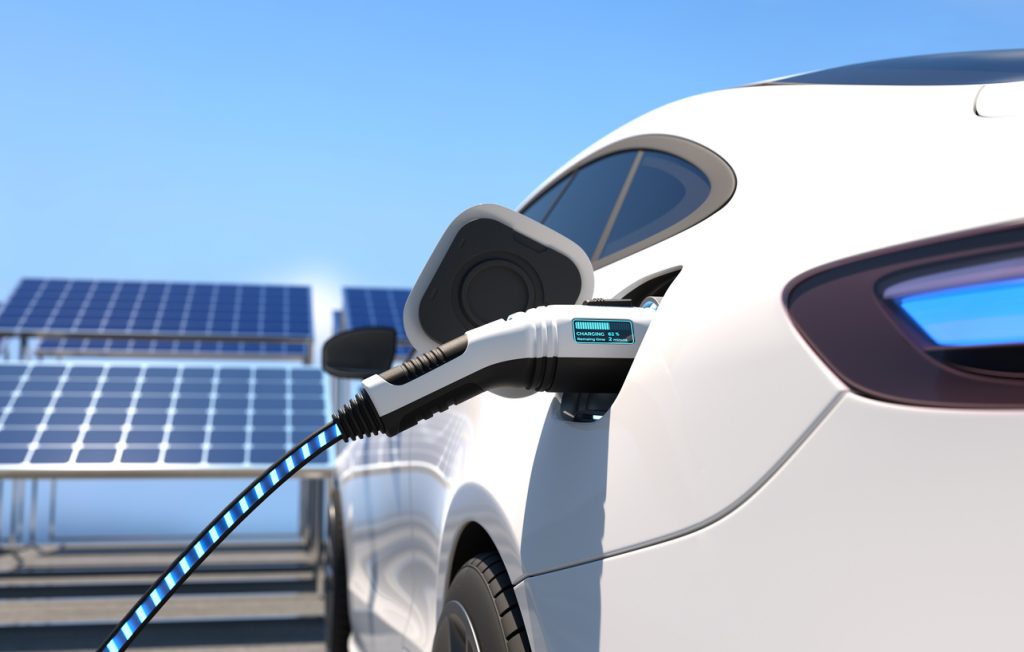
Electric vehicles (EVs) are gradually gaining traction in Nigeria, and understanding how to install EV charger at home is becoming essential for modern homeowners. With rising fuel costs and a shift toward cleaner energy, installing a home EV charger is both a smart and future-proof investment.
In this guide, we’ll walk you through everything you need to know about how to install EV charger at home, including requirements, costs, and how Travo.ng can support your transition with reliable logistics and travel solutions.
Why You Should Install an EV Charger at Home
Before diving into how to install EV charger at home, it’s important to understand the benefits:
- Convenience: Charge your vehicle overnight without visiting public stations
- Cost savings: Reduce dependency on fuel and public charging fees
- Efficiency: Faster charging compared to standard wall outlets
- Property value: Adds modern appeal to your home
For Nigerian users, where public EV infrastructure is still developing, home charging is the most practical solution.
What You Need Before Installing an EV Charger
To successfully implement how to install EV charger at home, you need to prepare the following:
1. Electrical Capacity Assessment
Ensure your home can handle the additional load. Most EV chargers require a dedicated circuit. A certified electrician should inspect your wiring.
2. Suitable Charger Type
There are two main options:
- Level 1 charger: Uses standard sockets but charges slowly
- Level 2 charger: Faster and more efficient, ideal for home use
3. Stable Power Supply
In Nigeria, power fluctuations are common. Consider backup solutions like inverters or solar systems for uninterrupted charging.
Step-by-Step Guide on How to Install EV Charger at Home
Choose the Right Location
Pick a spot close to your parking area. It should be:
- Easily accessible
- Protected from weather elements
- Close to your electrical panel
Hire a Certified Electrician
This is critical. Installing an EV charger involves high voltage, and improper setup can be dangerous. A professional ensures compliance with safety standards.
Install a Dedicated Circuit
Your charger must have its own circuit breaker to prevent overload and ensure safe operation.
Mount the Charger
The unit is securely mounted on a wall or stand. Proper installation ensures durability and ease of use.
Test the System
After installation, test the charger with your EV to confirm everything works correctly.
Cost of Installing EV Charger at Home in Nigeria
The cost of how to install EV charger at home varies based on several factors:
- Charger type and brand
- Electrical upgrades required
- Installation complexity
- Backup power solutions
On average, expect moderate upfront costs, but long-term savings on fuel and maintenance make it worthwhile.
Safety Tips When Installing EV Chargers
Safety should never be overlooked when learning how to install EV charger at home:
- Always use certified professionals
- Avoid DIY installations unless you’re qualified
- Install surge protection devices
- Regularly inspect your system
How Travo.ng Supports Your EV Lifestyle
As EV adoption grows, logistics and mobility services must evolve. Travo.ng positions itself as a forward-thinking platform supporting modern transportation needs in Nigeria.
While focusing on reliable travel and logistics solutions, Travo.ng helps users plan efficient routes, manage transportation logistics, and adapt to emerging mobility trends like EV usage. This makes your transition smoother and more practical.
Final Thoughts
Understanding how to install EV charger at home is a crucial step toward embracing sustainable transportation in Nigeria. With the right setup, you gain convenience, cost savings, and independence from limited public charging infrastructure.
By working with professionals and leveraging trusted platforms like Travo.ng for your travel and logistics needs, you can confidently move into the future of mobility.
If you’re considering making the switch, now is the perfect time to invest in a home EV charging solution.