
If you’re planning a trip (or hosting friends visiting Nigeria), this Nigeria food and culture guide will help you explore the country the right way—through its meals, markets, festivals, and everyday traditions.
Nigeria isn’t just a destination; it’s an experience. From smoky roadside suya stands to lively cultural hubs, the best way to understand Nigeria is to taste it, walk it, and meet the people who shape it. And when you want your itinerary to be smooth and stress-free, Travo.ng helps you plan travel logistics and curated local experiences that fit your schedule.
What You’ll Discover in This Nigeria Food and Culture Guide
Nigeria’s culture is diverse, and so is the food. Every region brings its own flavors, cooking techniques, and celebrations.
Expect:
- Bold spices, rich soups, and grilled street food
- Busy markets where food, fabric, and music collide
- Cultural events that spotlight dance, language, and history
- Warm hospitality—greetings and respect matter here
Must-Try Nigerian Foods (And Where to Find Them)
A proper Nigeria food and culture guide has to start with what’s on the plate. These are popular dishes you’ll see across cities like Lagos, Abuja, Port Harcourt, and beyond:
- Jollof rice: Party staple with smoky, tomato-rich flavor
- Suya: Spiced grilled meat sold evenings on the street
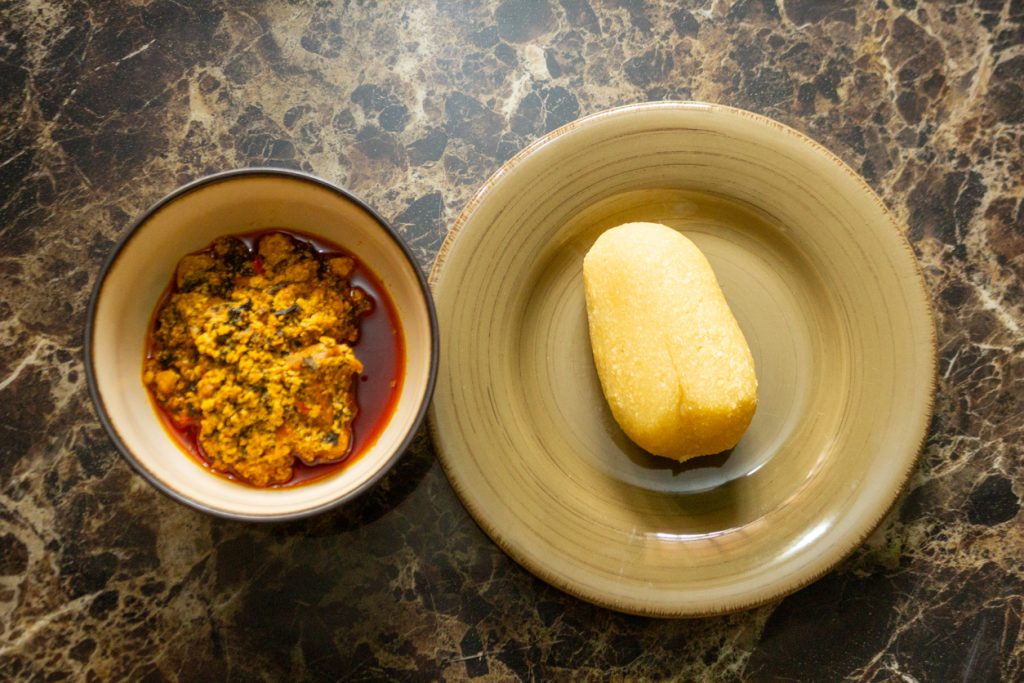
- Pounded yam + egusi soup: A classic “swallow and soup” combo
- Ofada rice + ayamase sauce: Peppery, deeply traditional taste
- Boli (roasted plantain): Often paired with groundnut or fish
- Pepper soup: Light, spicy broth loved for nightlife and comfort
Tip: Want the best version of these? Go local—markets, bukas (local eateries), and food spots with high turnover are usually the safest bets.
Cultural Etiquette That Makes Travel Easier
Food and culture go hand-in-hand in Nigeria. A few simple habits can improve your experience instantly:
- Greet first before asking questions or making requests
- Dress respectfully for religious sites and traditional spaces
- Ask before taking photos, especially in markets or villages
- Use your right hand when handing items or receiving food
- Be open-minded—Nigeria is multicultural, so customs can differ by state
Best Places to Experience Food and Culture in Nigeria
Here are high-interest options many visitors include after reading a Nigeria food and culture guide:
- Lagos: Street food, nightlife, art spaces, and coastal culture
- Abuja: Museums, cultural centers, and calm city exploration
- Calabar: Festivals, heritage, and rich southeastern cuisine
- Benin City: History, craft traditions, and local storytelling
- Enugu: Cultural displays and strong Igbo food culture
If you’re unsure where to start, choose one major city and add day trips for markets, cultural landmarks, and food experiences.
Book Your Nigeria Food and Culture Experience with Travo.ng
Reading a Nigeria food and culture guide is helpful—but booking the right experience is what makes it real.
With Travo.ng, you can:
- Plan travel logistics for cultural trips within Nigeria
- Organize airport pickups and local movement support
- Set up tailored itineraries that prioritize food and culture
- Get travel support that helps you avoid common delays and confusion
Whether you want a quick cultural weekend, a food-focused itinerary, or a full multi-city exploration, Travo.ng positions you to travel smarter—without guesswork.
Final Tips Before You Go
Keep these quick pointers in mind:
- Try new foods slowly if you’re not used to spicy meals
- Carry cash for markets and street food
- Save key addresses/locations offline in case of poor network
- Choose experiences that match your comfort level and time
When you’re ready to turn this Nigeria food and culture guide into an actual trip, book your next local experience and travel support with Travo.ng—and explore Nigeria with confidence.