


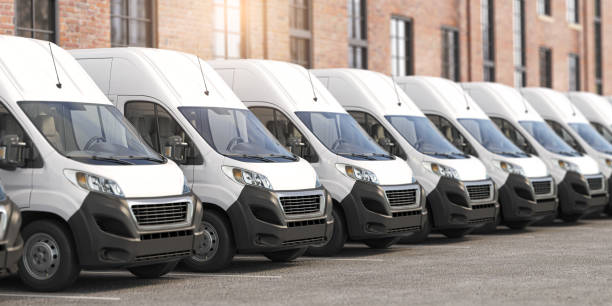
Vehicle maintenance programs are structured systems used by companies to plan, schedule, and manage regular servicing and repairs of vehicles. They ensure that vehicles remain safe, reliable, and cost-efficient throughout their lifecycle.
These programs are widely used in logistics companies, transport businesses, corporate fleets, car rentals, and government vehicle operations.
What Vehicle Maintenance Programs Do
They help organizations:
- Schedule routine vehicle servicing
- Track repair and breakdown history
- Monitor vehicle performance and condition
- Reduce unexpected downtime
- Control maintenance and repair costs
- Extend vehicle lifespan
- Improve fleet safety and reliability
Types of Vehicle Maintenance Programs
1. Preventive Maintenance Programs
Focus on servicing vehicles before problems occur.
Includes:
- Oil changes
- Brake inspections
- Tire replacement
- Engine checks
Goal: prevent breakdowns.
2. Corrective Maintenance Programs
Focus on fixing issues after they occur.
Includes:
- Breakdown repairs
- Engine failure fixes
- Accident repairs
Goal: restore vehicle functionality.
3. Predictive Maintenance Programs
Use data and monitoring tools to predict failures before they happen.
Includes:
- Sensor-based monitoring
- AI-driven diagnostics
- Performance trend analysis
Goal: prevent failure using data insights.
4. Condition-Based Maintenance Programs
Maintenance is done based on vehicle condition rather than time.
Includes:
- Real-time diagnostics
- Wear-and-tear monitoring
- Usage-based servicing
Key Features of Vehicle Maintenance Programs
1. Service Scheduling
- Automatic reminders for servicing
- Based on mileage or time intervals
2. Work Order Management
- Assign repair tasks
- Track job completion
- Document maintenance activities
3. Maintenance History Tracking
- Full service records per vehicle
- Breakdown and repair logs
- Cost history analysis
4. Fleet Status Monitoring
- Shows active, idle, or under-repair vehicles
- Helps with dispatch planning
5. Cost Management
- Tracks maintenance expenses
- Helps reduce unnecessary spending
- Compares vehicle performance costs
6. Reporting and Analytics
- Maintenance performance reports
- Downtime analysis
- Fleet efficiency insights
Benefits of Vehicle Maintenance Programs
1. Reduced Breakdown Risk
Regular servicing prevents unexpected failures.
2. Lower Operating Costs
Early maintenance reduces expensive repairs.
3. Improved Safety
Well-maintained vehicles reduce accident risks.
4. Longer Vehicle Lifespan
Proper care extends usability of assets.
5. Better Fleet Efficiency
More vehicles stay available for operations.
Who Uses Vehicle Maintenance Programs
- Logistics and trucking companies
- Car rental businesses
- Corporate transport departments
- Construction and engineering firms
- Delivery and courier companies
- Government transport agencies
Challenges Without Maintenance Programs
- Frequent vehicle breakdowns
- High repair costs
- Poor maintenance tracking
- Reduced fleet availability
- Operational delays in logistics
Vehicle Maintenance Programs vs Maintenance Software
| Vehicle Maintenance Programs | Maintenance Software |
|---|---|
| Operational strategy/process | Digital tool/system |
| Defines maintenance rules | Automates tracking |
| Manual or digital | Fully software-driven |
| Policy-based | Technology-based execution |
How It Improves Logistics Operations
- Ensures fleet readiness
- Reduces delivery delays
- Improves transport reliability
- Optimizes maintenance scheduling
- Increases operational efficiency
How Travo.ng Fits Into Vehicle Maintenance Ecosystems
Vehicle maintenance programs focus on keeping vehicles healthy, while logistics platforms focus on deploying them effectively.
Travo.ng supports operations through:
- Fleet dispatch coordination based on vehicle availability
- Transport scheduling across cities and routes
- Cargo and passenger movement execution
- Logistics planning for maintained fleets
- Real-world fleet utilization support
This ensures maintenance efforts translate into efficient logistics performance and revenue generation.
Conclusion
Vehicle maintenance programs are essential for any organization operating vehicles. They ensure safety, reduce costs, and improve the reliability and efficiency of transport operations.
