


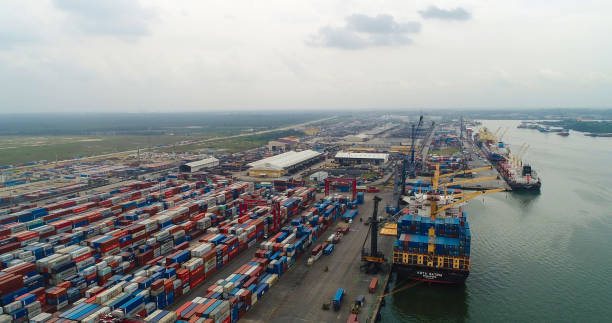
Customs seizures in Nigeria are one of the biggest risks in international trade for importers moving goods through Apapa Port, Tin Can Island, and Lagos airports. Every year, containers are held or confiscated not just because of smuggling, but because of documentation errors, wrong classification, undervaluation, or import rule violations.
For many traders importing from China, Dubai, Turkey, or the UAE, seizure does not happen “randomly” — it happens when compliance and logistics planning are disconnected from the start.
What Customs Seizure Actually Means in Nigeria
A customs seizure happens when the Nigeria Customs Service takes legal control of imported goods because they violate import regulations.
This can mean:
- Goods are confiscated permanently
- Cargo is held pending investigation
- Fines are imposed before release
- Goods are destroyed or auctioned
Once seizure is confirmed, recovery is difficult unless there is a strong legal or documentation correction path.
Main Reasons Goods Are Seized by Nigerian Customs
1. Importing Prohibited Goods
The most serious cause of seizure is importing items that are completely banned.
Examples include:
- Narcotics and illegal drugs
- Firearms and ammunition without approval
- Counterfeit currency or fraudulent instruments
- Hazardous toxic waste
- Large-scale counterfeit goods
These are not negotiable — they result in immediate seizure.
2. Misclassification of Goods (Wrong HS Codes)
One of the most common causes of seizure is incorrect product classification.
Typical issues include:
- Declaring electronics as “general accessories”
- Mislabeling used goods as new
- Wrong tariff category assignment
- Mixing different product types in one shipment
Customs uses HS codes to determine duties and legality. If classification is wrong, cargo can be detained or seized.
3. Undervaluation of Goods
Many importers try to reduce duty costs by declaring lower values.
Customs may seize or hold goods if:
- Invoice value is suspiciously low
- Market value does not match declared price
- Supplier invoice is inconsistent with shipment content
This is one of the most monitored risk areas in Nigerian imports.
4. Incomplete or Fake Documentation
Documentation issues are a major trigger for seizures.
Common problems include:
- Missing commercial invoices or packing lists
- Fake or altered documents
- Mismatch between documents and physical cargo
- Incorrect consignee or supplier details
Even legitimate goods can be seized if paperwork is not consistent.
5. Importing Restricted Goods Without Approval
Some goods are allowed only with permits or certifications.
Seizure occurs when importers fail to provide:
- SONCAP certification (for regulated electronics)
- NAFDAC approval (for food and pharmaceuticals)
- Import permits for controlled items
- Standards compliance documents
Without these, cargo may be held indefinitely.
6. Counterfeit or Suspicious Branded Goods
Customs actively targets fake branded items.
Commonly seized:
- Fake designer clothing and shoes
- Unauthorized electronics brands
- Replicated luxury goods
Even if purchased from Dubai or China markets, importers are responsible for authenticity.
7. Improper Packaging or Concealment
Seizure can also occur when goods are intentionally or accidentally mispacked.
Examples:
- Mixing restricted and unrestricted goods
- Concealing undeclared items in containers
- Poor labeling of cargo contents
This often raises suspicion and triggers full inspection.
What Happens After Customs Seizure in Nigeria
Once goods are seized, the process typically follows:
- Cargo is detained at port or warehouse
- Importer is issued a seizure notice
- Investigation or review is conducted
- Importer may be asked to provide documents
- Outcome is decided: release, penalty, or forfeiture
In many cases, goods end up being auctioned or destroyed if compliance cannot be corrected.
Real Import Scenarios at Lagos Ports
Common real-world situations include:
- A container from Dubai held due to wrong HS code classification
- Electronics shipment seized for missing SONCAP approval
- Fashion goods detained for suspected counterfeit branding
- Cargo delayed for undervalued invoice discrepancies
Most importers only realize the issue when goods are already at Apapa or Tin Can Island.
Why Many Seizures Are Preventable
The majority of customs seizures are not caused by illegal imports — they are caused by:
- Poor planning before shipping
- Lack of regulatory awareness
- Incorrect documentation from suppliers
- Weak coordination between agents
In other words, most seizures are preventable logistics failures, not intentional smuggling cases.
How Smart Importers Reduce Seizure Risk
Experienced importers manage risk before cargo leaves origin.
They typically:
- Verify HS codes before purchase
- Ensure documentation matches physical goods
- Obtain required certifications early
- Avoid mixing sensitive goods in one shipment
- Use compliant freight forwarders familiar with Nigerian customs
This shifts risk control from the port to the sourcing stage.
TRAVO LOGISTICS INTELLIGENCE: PREVENTING CUSTOMS SEIZURE BEFORE CARGO ARRIVES
A major reason customs seizures happen is fragmentation in the import process.
Importers often:
- Buy from China or Dubai without compliance checks
- Ship without proper documentation review
- Rely on separate agents for sourcing, freight, and clearance
- Only discover issues when cargo arrives in Lagos
This is where structured logistics coordination becomes critical.
Platforms like Travo.ng help importers reduce seizure risk by aligning:
- Pre-shipment compliance verification
- Cargo classification and HS code alignment
- Freight coordination from origin countries
- Customs clearance preparation in Nigeria
- Final delivery after release from port
Instead of reacting at the port, importers prevent issues before shipment begins.
Final Insight: Customs Seizure Is a Planning Failure, Not Just a Port Issue
Customs seizures in Nigeria are not random events — they are usually the result of weak import planning.
The importers who succeed consistently are those who:
- Understand regulations before sourcing
- Treat documentation as part of the product
- Align logistics with compliance requirements
- Build structured systems instead of reacting at the port
Once this system is in place, importing becomes more predictable, scalable, and far less risky.
