
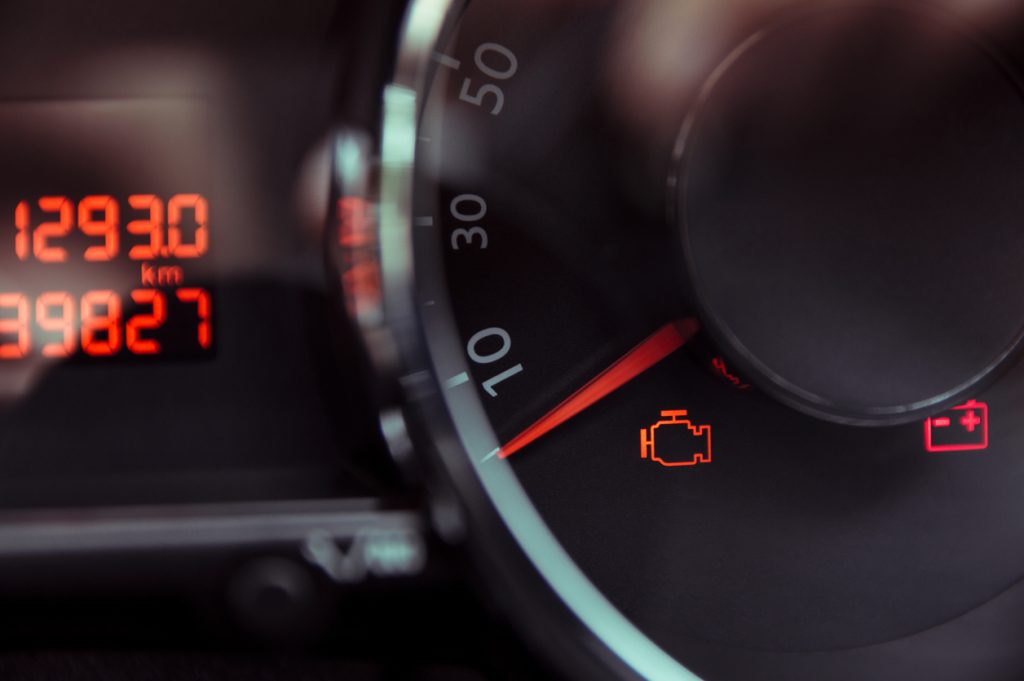
Few things worry drivers more than seeing the engine management light suddenly appear on the dashboard. It usually signals that something isn’t right under the hood. But the good news? Not every warning means an expensive repair. With the right information, you can understand the issue and take action quickly.
Below, Travo.ng breaks down the most common reasons your engine management light comes on, how serious it might be, and the smartest steps to take next.
What the Engine Management Light Actually Means
The engine management light (often called the “check engine” light) is part of your car’s onboard diagnostic system.
When it illuminates, it’s usually detecting a problem related to:
- Fuel system
- Airflow
- Ignition
- Emissions
- Sensors
It’s your vehicle’s way of saying: “Something needs attention.”
Top Reasons the Engine Management Light Comes On
Understanding the likely causes helps you react appropriately.
1. Faulty Oxygen Sensor
One of the most common triggers. A bad sensor affects fuel mixture and can reduce fuel efficiency.
2. Loose or Damaged Fuel Cap
A simple issue that many drivers overlook. A loose cap causes fuel vapour leaks, triggering the warning.
3. Bad Spark Plugs or Ignition Coils
These affect engine performance and can cause misfiring.
4. Airflow Sensor Problems
A faulty MAF (Mass Air Flow) sensor affects how the engine manages fuel and air.
5. Catalytic Converter Issues
More serious and often linked to long-term engine neglect or poor fuel quality.
6. Low-Quality Fuel
Unclean or diluted fuel—common in parts of Nigeria—can disrupt engine performance and trigger the light.
Should You Keep Driving When the Engine Management Light Appears?
It depends on how the light behaves.
Steady Light
You can usually drive a short distance, but you should inspect the issue as soon as possible.
Flashing Light
This signals a severe problem such as engine misfire. Stop driving immediately to avoid engine damage.
Quick Checks You Can Do Before Visiting a Mechanic
- Tighten your fuel cap
- Check your oil level
- Listen for unfamiliar engine sounds
- Note any unusual vibrations
- Switch off and restart the engine
These steps help you determine whether the issue is minor or urgent.
How Nigerian Road Conditions Affect the Engine Management Light
Due to:
- Bad fuel quality
- Dusty roads
- Heat
- Heavy traffic
- Frequent stop-and-go driving
Vehicles in Nigeria often experience engine management light warnings more frequently. Regular maintenance can help reduce these occurrences.
Why Travo.ng Helps You Stay Ahead of Car Issues
Travo.ng supports smarter and safer travel by offering:
- Verified drivers for transport bookings
- Well-maintained vehicles for travel and logistics
- Optional trip insurance to protect your journey
- Real-time travel support for emergencies
When your own vehicle develops issues like an engine management light warning, Travo.ng provides trusted alternatives for travel or deliveries until repairs are complete.
When to Visit a Mechanic
You should seek professional diagnosis if:
- The light stays on for more than 24 hours
- You notice reduced power
- Fuel consumption increases
- The light is flashing
- The car feels unsafe to drive
Getting an OBD scan will reveal the exact fault code.
Final Thoughts
The engine management light is not something to ignore. It serves as an early warning system that can save you from bigger, costlier problems. By understanding what triggers the light and taking quick action, you keep your vehicle efficient, safe, and reliable.
And when your car isn’t road-ready, Travo.ng ensures you can still move with confidence—whether it’s for travel, business, or logistics.