


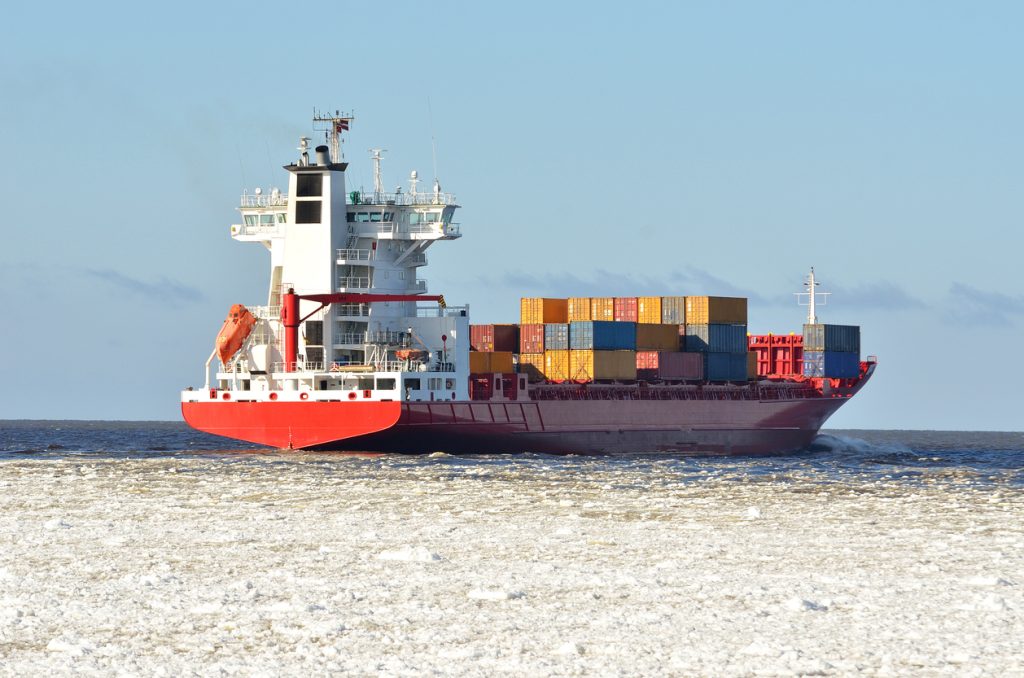
Dangerous goods cargo transport in Nigeria involves the movement of regulated materials that require special handling, documentation, safety procedures, and controlled transport conditions. These shipments cannot be treated like ordinary cargo because improper handling can create serious safety, environmental, and compliance risks.
Many regulated shipments arrive through major logistics gateways such as Apapa Port Complex and industrial cargo terminals around Lagos before being distributed to factories, oil and gas facilities, laboratories, and industrial sites across the country.
Because of the risks involved, dangerous goods logistics depends heavily on trained coordination, compliant transport systems, and proper documentation.
What Dangerous Goods Cargo Actually Means
Dangerous goods cargo refers to materials classified as hazardous because they may pose risks during transport if not properly handled.
In practical terms, this may include:
- Industrial chemicals
- Corrosive substances
- Flammable industrial liquids
- Certain laboratory and manufacturing materials
- Specialized regulated industrial cargo
These materials require controlled logistics procedures and compliant transport handling.
Why Dangerous Goods Logistics Requires Specialized Handling
Dangerous cargo transport is different because:
- Safety regulations are stricter
- Cargo requires proper labeling and documentation
- Transport vehicles may need specialized containment systems
- Mishandling can damage products, equipment, or infrastructure
- Emergency response planning is important during transit
The focus is not only on delivery speed, but also on safe movement and regulatory compliance.
Where Dangerous Goods Cargo Operations Usually Begin
Most regulated industrial cargo movements start from:
- Apapa Port Complex
- Industrial zones in Lagos and Ogun State
- Manufacturing and chemical processing facilities
- Specialized storage depots and warehouses
From these locations, shipments are moved to industrial users across Nigeria.
How Dangerous Goods Cargo Transport Works in Practice
A structured dangerous goods operation usually follows these steps:
- Cargo classification and compliance verification
- Documentation and regulatory processing
- Packaging and containment checks
- Assignment of suitable transport vehicles
- Safety inspection before dispatch
- Route planning and monitored movement
- Controlled delivery at destination facility
Every stage must follow approved handling procedures.
Industries That Depend on Dangerous Goods Logistics
This type of cargo movement is important for:
- Oil and gas operations
- Manufacturing industries
- Chemical processing companies
- Industrial laboratories
- Energy and infrastructure projects
- Specialized industrial supply chains
These sectors depend on controlled and compliant logistics systems.
Real Challenges in Dangerous Goods Cargo Transport in Nigeria
Transporting regulated cargo in Nigeria comes with operational challenges such as:
- Traffic congestion affecting delivery timing
- Poor road conditions on industrial routes
- Compliance and inspection requirements
- Limited availability of specialized transport equipment
- Safety concerns during long-distance transport
- Need for experienced handling teams
Without proper coordination, delays and compliance issues can quickly arise.
Why Compliance and Coordination Matter
In dangerous goods logistics:
- Documentation errors can stop cargo movement
- Incorrect handling increases operational risk
- Delays can disrupt industrial operations
- Poor route planning affects delivery safety
- Improper packaging may lead to cargo rejection
Careful coordination reduces both operational and compliance risks.
Common Mistakes Businesses Make
Many avoidable issues happen because of:
- Incomplete shipment documentation
- Using unsuitable vehicles for sensitive cargo
- Poor communication between logistics teams
- Weak route and safety planning
- Delayed compliance processing before dispatch
These mistakes often lead to delays and higher operational costs.
How Efficient Dangerous Goods Logistics Should Work
A reliable dangerous goods transport system depends on:
- Proper cargo classification and documentation
- Suitable transport vehicles and containment systems
- Safety-focused handling procedures
- Coordinated dispatch and delivery planning
- Real-time communication during transit
- Backup response planning for delays or disruptions
Without structure, regulated cargo movement becomes difficult to manage safely.
How Travo.ng Supports Dangerous Goods Cargo Logistics in Nigeria
Travo.ng provides structured logistics coordination for regulated and sensitive industrial cargo movement across Nigeria.
Support typically includes:
- Cargo coordination from industrial terminals and ports including Apapa Port Complex
- Documentation and logistics coordination support
- Specialized transport arrangement for sensitive industrial cargo
- Route planning and monitored delivery scheduling
- Real-time shipment tracking and operational updates
- Coordination for industrial and commercial delivery points
- Backup logistics planning for delays or route disruptions
The focus is on ensuring regulated cargo moves safely, efficiently, and with proper operational control.
For industrial businesses in Nigeria, this means safer cargo movement, improved compliance coordination, and more reliable logistics execution.
