


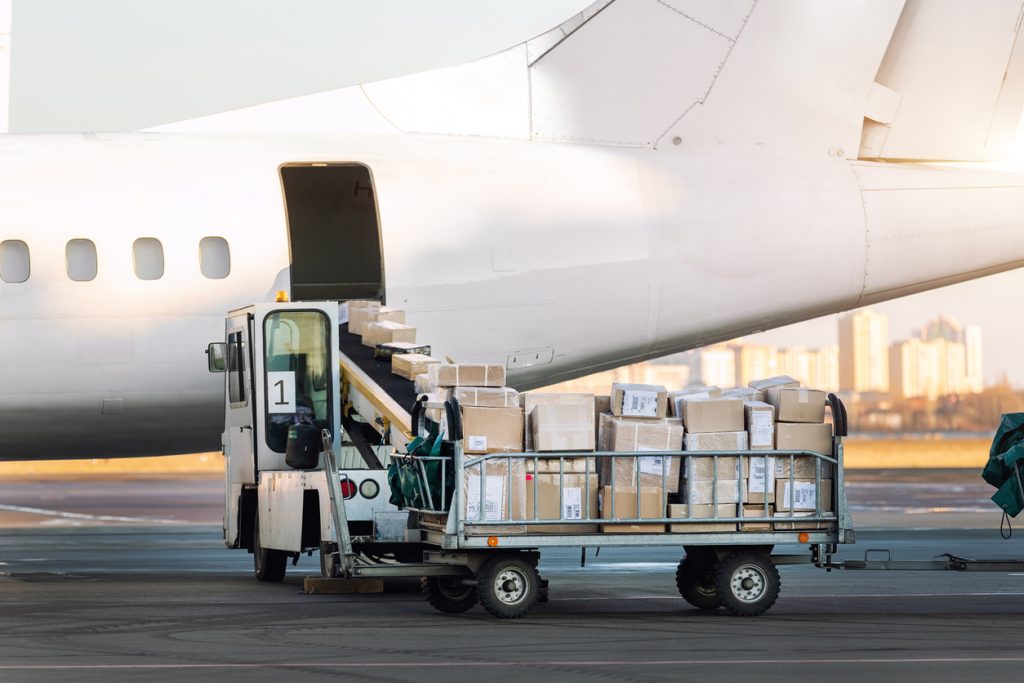
If you want to import from Turkey and pay in Naira, you’re basically looking for a way to buy goods from Turkish suppliers and bring them into Nigeria without dealing directly with dollar or euro payments, FX stress, or complicated international transfers.
This route is very popular for Nigerian importers because Turkey is known for quality, mid-priced wholesale goods, especially for fashion and retail businesses.
Why Nigeria Imports So Much From Turkey
Turkey has become a major sourcing hub for Nigerian businesses because:
- Strong textile and fashion industry
- Affordable wholesale pricing compared to Europe
- High-quality leather, shoes, and garments
- Easy access to manufacturing factories
- Fast shipping routes into Lagos
Common import corridors include Istanbul, Izmir, and Mersin into Lagos (Apapa and airport cargo terminals).
What Importing From Turkey Actually Involves
Importing from Turkey usually follows this structure:
1. Product Sourcing
- You buy directly from Turkish suppliers or wholesalers
- Goods are usually priced in USD or EUR
2. Shipping to Nigeria
- Air freight: 3–7 days (fast, higher cost)
- Sea freight: 2–5 weeks (bulk, cheaper per unit)
3. Customs Clearance
- Inspection and duties in Nigeria
- Documentation and HS code classification
4. Final Delivery
- Door-to-door delivery or pickup in Nigeria
Real Shipping Cost From Turkey to Nigeria
Shipping costs vary depending on weight and cargo type:
- Air freight often starts around $3.5 – $8 per kg depending on volume and service
- Larger cargo like containers or bulk shipments are priced separately based on CBM or container size
Final cost depends on:
- Weight vs volumetric weight
- Speed of delivery
- Type of goods (fashion, electronics, machinery, etc.)
- Pickup and delivery arrangement
Why Importing From Turkey Is Usually FX-Based
Even though goods are shipped to Nigeria, pricing is influenced by:
- Supplier pricing in USD/EUR
- Airline and sea freight rates
- International logistics systems
- Customs and insurance costs
This is why most import invoices are originally in foreign currency.
But many logistics companies now convert everything into Naira so Nigerian importers can pay locally.
The Real Problem Importers Face
Most import delays don’t come from shipping—they come from payment issues:
- No access to dollars or euros
- Exchange rate fluctuations
- Failed international transfers
- Delays funding domiciliary accounts
- Sudden supplier price changes
This is one of the biggest pain points for small and medium importers in Nigeria.
How “Import From Turkey, Pay in Naira” Works
The process is designed to remove FX stress:
- You send product details or supplier link
- Total cost (goods + shipping + clearance) is calculated
- Everything is converted into Naira
- You receive a local invoice
- You pay via Nigerian bank transfer
- Goods are purchased, shipped, and delivered to Nigeria
No dollar handling on your side.
Example: Importing Fashion Items From Turkey
Let’s say you want to import clothing from Istanbul:
Traditional method:
- Supplier quotes in USD/EUR
- You struggle with FX sourcing
- Shipment is delayed
Naira payment method:
- You receive a single Naira quote
- You pay locally
- Supplier is paid
- Goods are shipped via air freight
- Delivered in 3–7 days
What You Can Import From Turkey
Common imports include:
- Fashion and ready-to-wear clothing
- Shoes and leather goods
- Home textiles and fabrics
- Kitchen and household items
- Beauty and cosmetic products
- Light machinery and accessories
Common Mistakes Importers Make
Avoid these issues:
- Not verifying supplier quality
- Ignoring volumetric weight pricing
- Underestimating customs duties
- Poor packaging leading to damage
- Choosing express when bulk shipping is cheaper
Why Businesses Prefer Naira-Based Importing
For Nigerian importers, paying in Naira helps with:
- Stable cost planning
- No FX uncertainty
- Faster purchase decisions
- Easier bookkeeping
- Better cash flow management
This is especially useful for fashion retailers and wholesale importers.
How Travo.ng Helps With Turkey Imports
With Travo.ng, you can import from Turkey and pay in Naira, making the entire process easier and more predictable.
This supports:
- Product sourcing from Turkish suppliers
- Air and sea freight shipping
- Supplier coordination
- Customs clearance support
- Door-to-door delivery in Nigeria
Process:
- Send product details or supplier link
- Get full Naira quotation
- Pay locally
- Goods are purchased, shipped, and delivered
Final Insight
Importing from Turkey with Naira payment is making international trade much easier for Nigerian businesses.
Instead of dealing with FX stress and foreign invoices, you can source products, pay locally, and still run a smooth import operation into Nigeria.
For traders, fashion sellers, and wholesalers, this is one of the most practical import routes available today.
